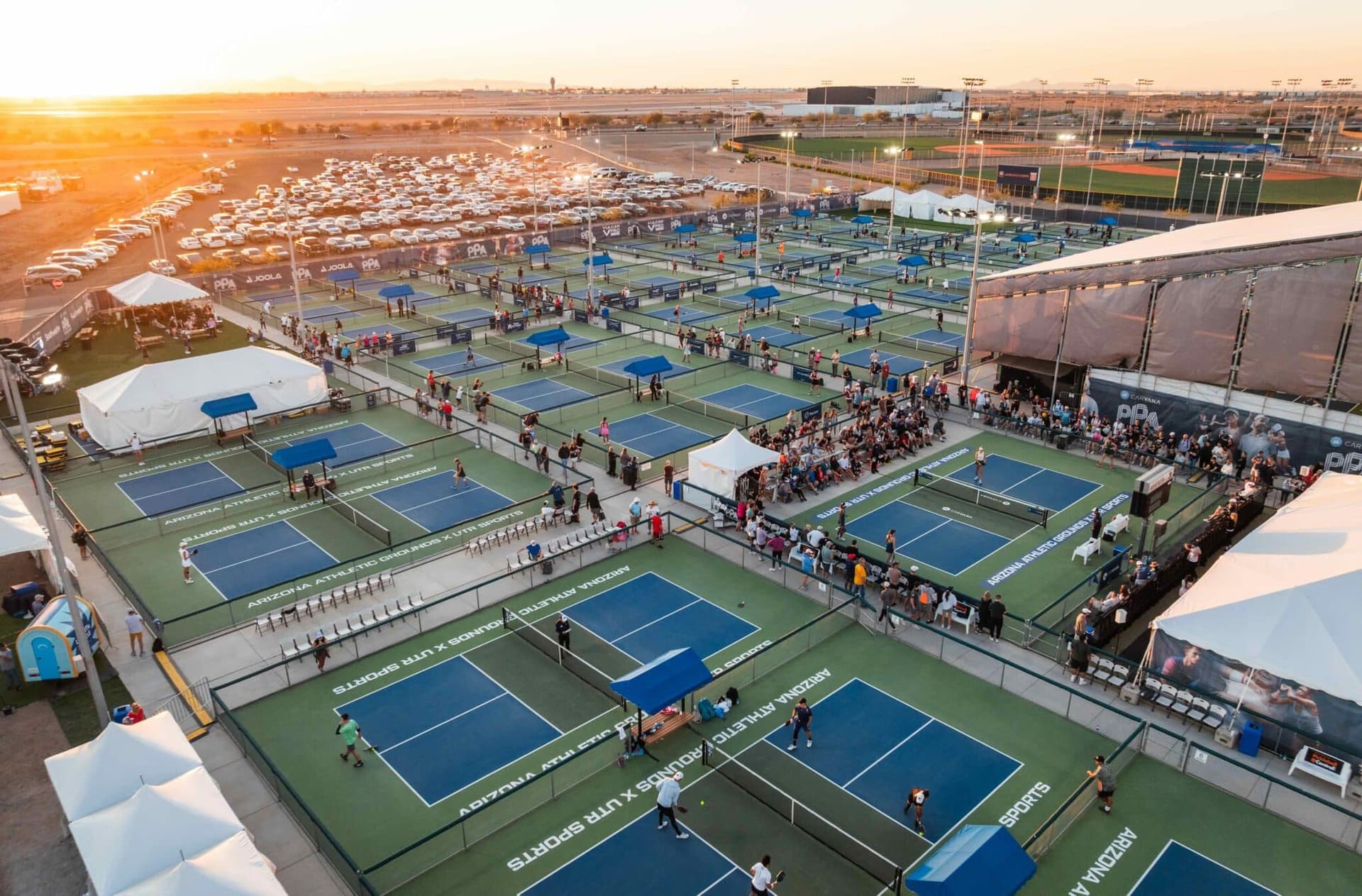
Hotel Agor Sakai unveils western Japan’s largest pickleball venue
Osaka’s first dedicated pickleball venue opened inside a Sakai hotel, adding six international-standard courts that officials hope will turn a fast-growing pastime into real infrastructure.

Pickleball has moved from curiosity to concrete in western Japan. Inside Hotel Agora Regency Osaka Sakai, a six-court base opened as the largest pickleball facility in the region, giving Osaka its first specialized venue and putting the sport directly inside one of Sakai City’s newest hospitality anchors.
The venue sits on the hotel’s sixth floor and is directly connected to Osaka Sakai Station, a location built for foot traffic as much as for play. The courts are international-standard, and the pink surface is meant to lower the barrier for beginners who might be trying the sport for the first time. Takato Kento attended the opening event alongside local politicians, adding a recognizable pro-player presence to a project that is being pitched as accessible fun, not just another amenity.
The hotel itself strengthens the story beyond the courts. Dorsett by Agora Osaka Sakai opened on March 25, 2025 at 3-1-1 Ohama Kitamachi, Sakai-ku, with 321 rooms and access that puts it about a five-minute walk from Nankai Sakai Station. The property was announced in September 2024 as Agora Hospitality’s 10th hotel and the first Dorsett brand property in Japan, part of a wider push to position Sakai as a base for visitors headed to Osaka and the Mozu-Furuichi Kofun Group.
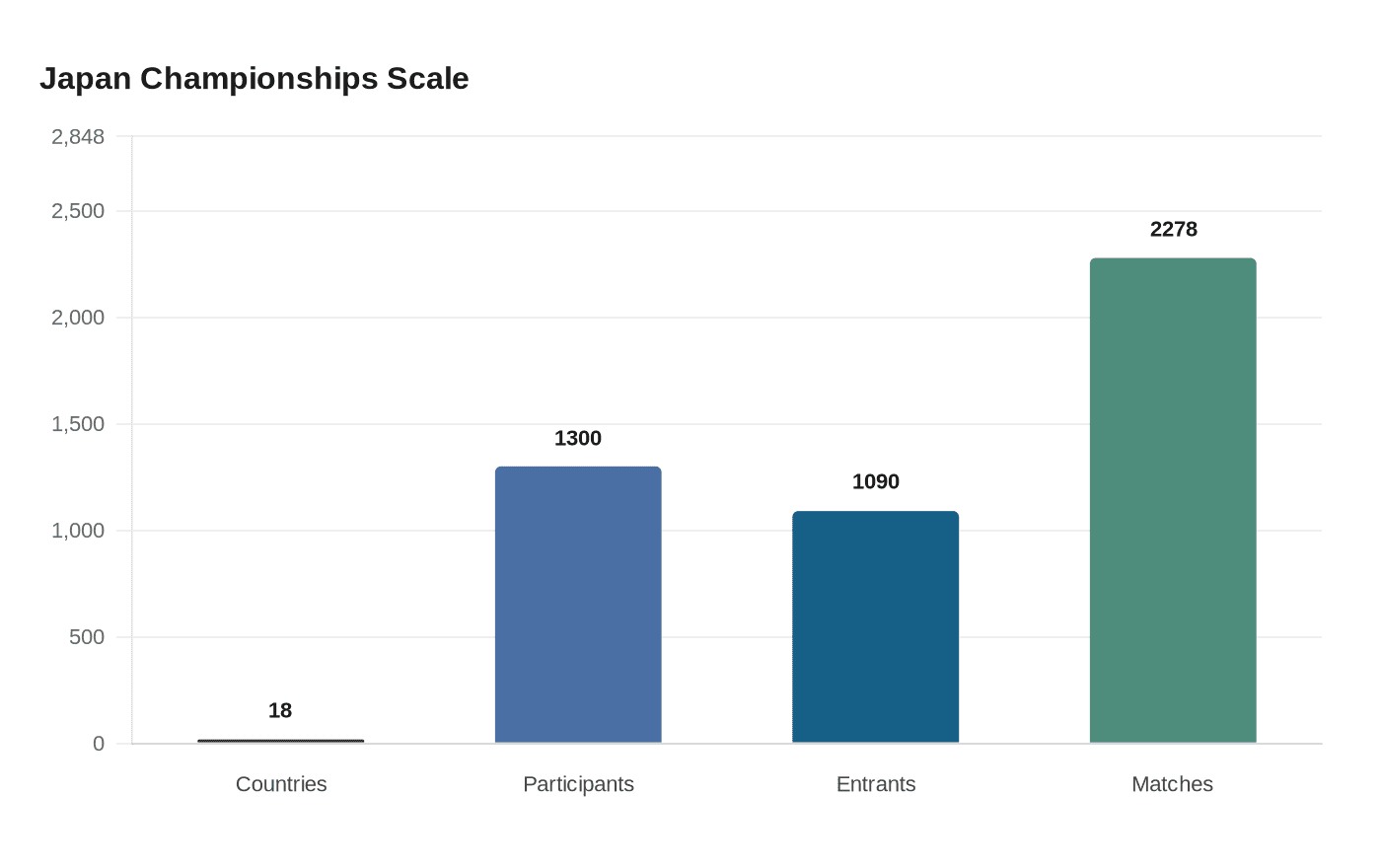
The timing fits a sport that is scaling quickly in Japan. Japan’s two main governing bodies, the Japan Pickleball Association and the Pickleball Japan Federation, signed a merger agreement on March 13, 2026, with the union taking effect on April 14 under the name Pickleball Japan. The federation says the sport is designed for all ages and is meant to build healthy communities while encouraging international exchange. That broader structure matters as tournaments get bigger: the 2025 Japan championships in Ariake drew players from 18 countries and regions, about 1,300 total participants, 1,090 competition entrants and 2,278 matches over four days.
Osaka Prefecture’s sports plan also gives the Sakai project a policy backdrop. The prefecture has tied sports promotion to sports tourism and regional revitalization, which makes a six-court flagship more than a hotel add-on. If Sakai can fill those pink courts with first-timers, club players and visiting tournament fields, western Japan could be looking at the kind of domestic pickleball base that turns an emerging sport into a permanent part of the region’s sports economy.
This article was produced by Prism’s automated news system from verified source data, official records, and press releases, then run through automated quality and moderation checks before publishing. The system is built and supervised by the people who set the standards it runs under. Read our full AI policy.
Did this article answer your question?