How Asia built its pickleball scene: Lessons from Hainan
Learn how the WPC China Masters signaled Asia's move from emerging to established pickleball markets and what communities can do to level up.
1. Why the WPC China Masters mattered to Asia's scene
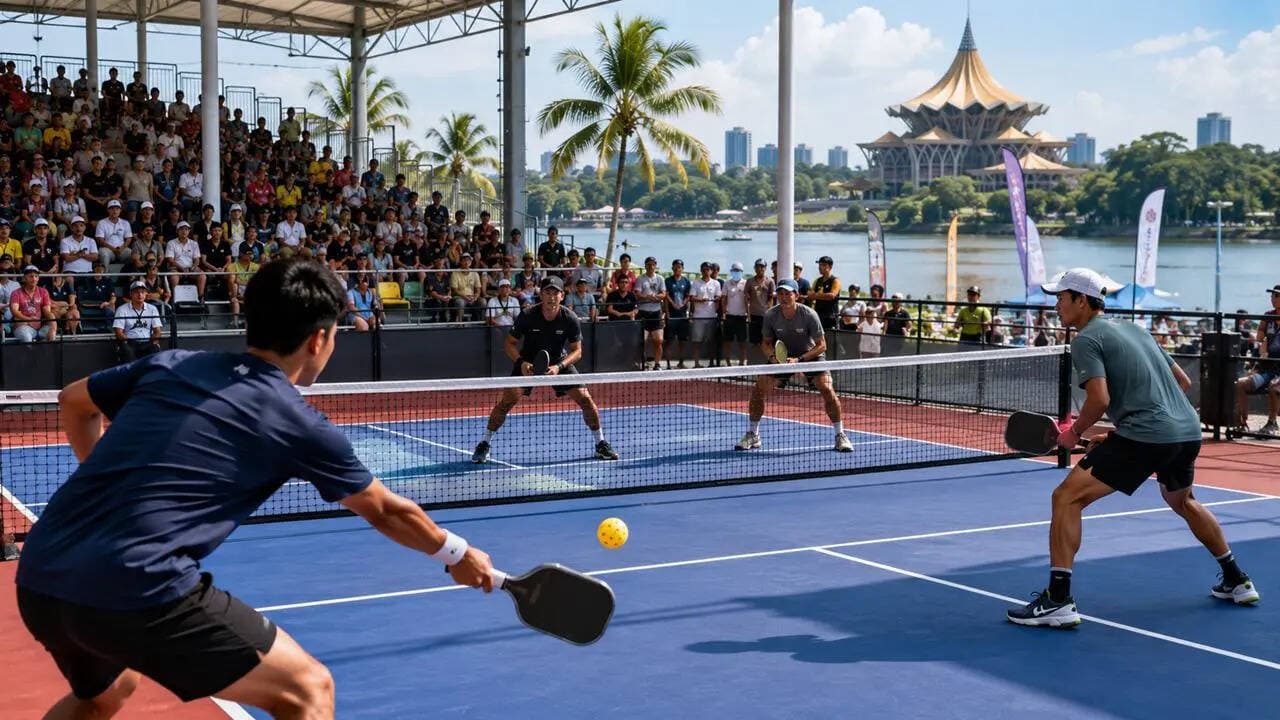
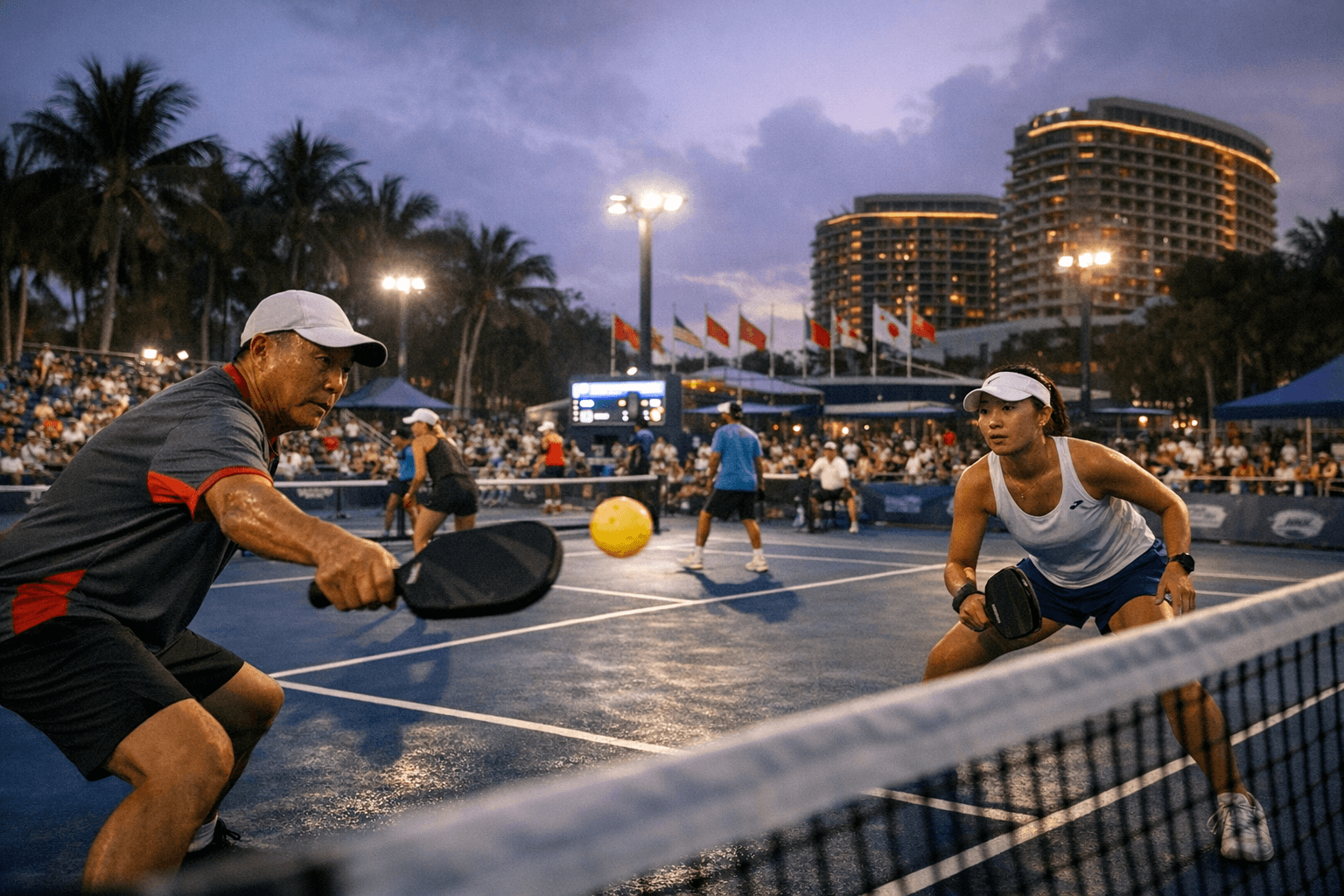
The WPC China Masters in Hainan showed that Asian pickleball is no longer a collection of isolated pockets but a connected, competitive region. The tournament's atmosphere and level of play signaled a maturity that goes beyond one-off events: professionals, amateurs, and masters competed under consistent standards that hinted at long-term growth. That shift matters because it changes how you plan events, recruit players, and build regional pathways.
2. Organization quality as a foundation for growth
Organization quality at Hainan demonstrated that Asia can run events at an international standard, which attracts players and sponsors. Smooth logistics, consistent officiating, and well-prepared courts reduce friction for visiting athletes and make tournaments repeatable and scalable. When you raise organizational standards, you create confidence for international entries and long-term partnerships.
3. International representation and cross-border competition
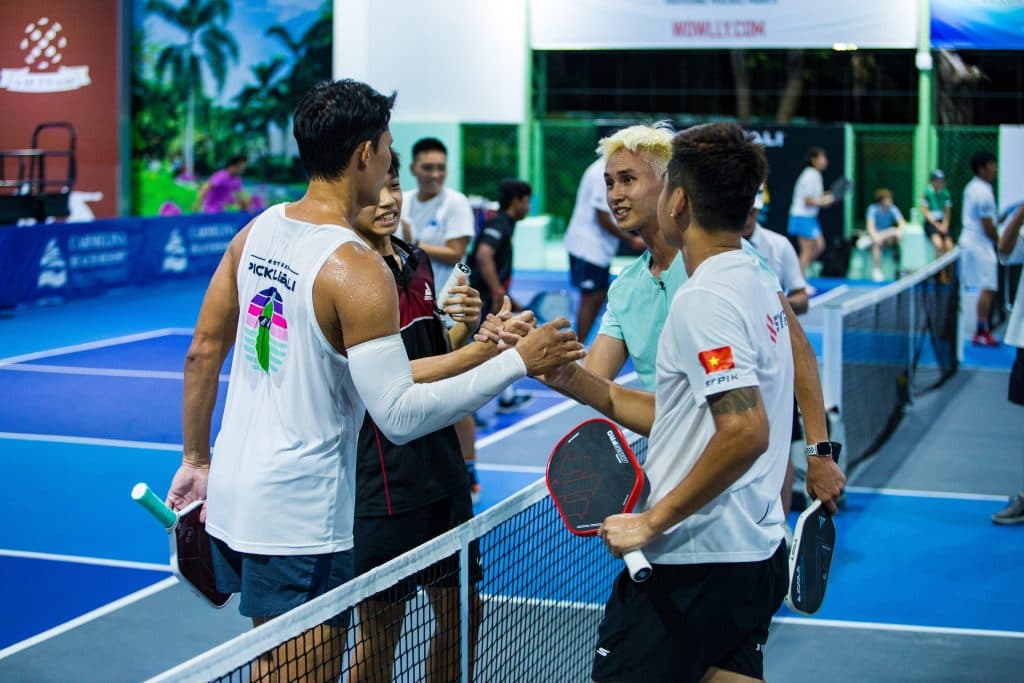
International representation at the event showed that players are traveling to Asia to compete, and Asian players are ready to meet them. Those cross-border matchups bring diverse tactics and competitive benchmarks that sharpen play across the board. For your club or league, that means framing events to welcome international guests and thinking about travel-friendly schedules and accreditation.
4. Competitive depth across age groups and categories
The tournament revealed competitive depth not just at the pro level but across age groups, juniors, adults, and masters all displayed strong fields. That depth is crucial: it signals sustainable pipelines for talent and more meaningful local leagues. You should invest in age-group programming and nurturing competition at every level so players can progress without leaving the region.
5. Cross-border exchanges of styles and standards
Players exchanging styles and coaching methods across countries accelerates skill development; you see variations in dinking, third-shot tactics, spin usage, and court positioning blending into new hybrid approaches. Those exchanges raise the technical ceiling and introduce coaching innovations that local programs can adopt. Actively promote interclub scrimmages, coaching swaps, and mixed-nationality clinics to capture that benefit.
6. How raising playing standards supports sustainable growth
Higher playing standards attract better competition, media attention, and sponsors, which in turn fund grassroots development and facilities. As play improves, retention goes up because players see a pathway to something real, a regional circuit, rankings, or coaching careers. Prioritize coach education, referee development, and consistent rule enforcement to lock in those gains.
7. Asia's shifting role in the sport's global development
Asia is moving from an “emerging market” label to an “established region” that contributes to the sport’s global evolution. That means more tournaments, more cross-border player movement, and greater influence on rules, formats, and commercial opportunities. For communities, this shift opens doors for hosting international stops, developing exportable coaching methods, and building sponsorship relationships.
- Standardize event operations: publish clear schedules, referee assignments, and player communications so visiting teams feel welcomed and respected.
- Invest in broadcast and social media: quality livestreams and highlights give your event a wider footprint and attract sponsors.
- Build partnerships: coordinate with local governments, tourism boards, and regional federations to share costs and amplify reach.
8. Practical steps organizers should take next
These steps make tournaments repeatable, visible, and fundable, which sustains growth beyond a single successful event.
9. Practical steps players and coaches can take
1. Seek out international matches and play diverse opponents to broaden your tactical range. Traveling for a few tournaments a year accelerates development faster than local play alone.
2. Exchange coaching ideas: invite coaches from neighboring countries for joint clinics and bring back drills that address weaknesses you observe in cross-border play.
3. Focus on mobility and touch: as styles mix, court craft and dinking nuance become differentiators at higher levels. These targeted improvements pay off quickly in match play.
10. How clubs can leverage marquee events for community growth
Host satellite activities around big tournaments: beginner clinics, youth exhibitions, and social doubles nights to convert spectators into players. Use visiting pros for Q&A sessions and technique clinics to inspire new members and deepen club loyalty. A single international event can be a catalyst if you connect it to year-round programming and clear membership pathways.
11. What this means for the next five years in Asia
Expect more integrated regional calendars, higher coaching standards, and expanded sponsorship interest as the region cements its place on the global stage. That evolution brings opportunity, if you act on it now by improving organization, encouraging international play, and investing in development at every age level. Take these lessons from Hainan and make your local pickleball scene part of Asia's rising chapter in the sport.
Closing practical wisdom Treat international-quality events as templates, not exceptions: copy the details that make them work, invite diversity on court, and turn short-term excitement into long-term programming. Do that, and your community won't just play catch-up, you'll become a hub that raises the whole region's game.
This article was produced by Prism’s automated news system from verified source data, official records, and press releases, then run through automated quality and moderation checks before publishing. The system is built and supervised by the people who set the standards it runs under. Read our full AI policy.
Did this article answer your question?