Indian Pickleball League fuels youth ambition, echoes IPL’s cricket shift
The IPBL is doing more than staging matches. It is giving Indian juniors visible role models, sponsors and a real path from pastime to profession.

Why the league changes ambition
The biggest thing the Indian Pickleball League can change is not the scoreboard. It is the ceiling in a junior player’s head. India’s first and only national franchise-based pickleball league, launched by The Times Group and sanctioned by the Indian Pickleball Association, gives the sport a visible professional frame that young players can actually imagine chasing.
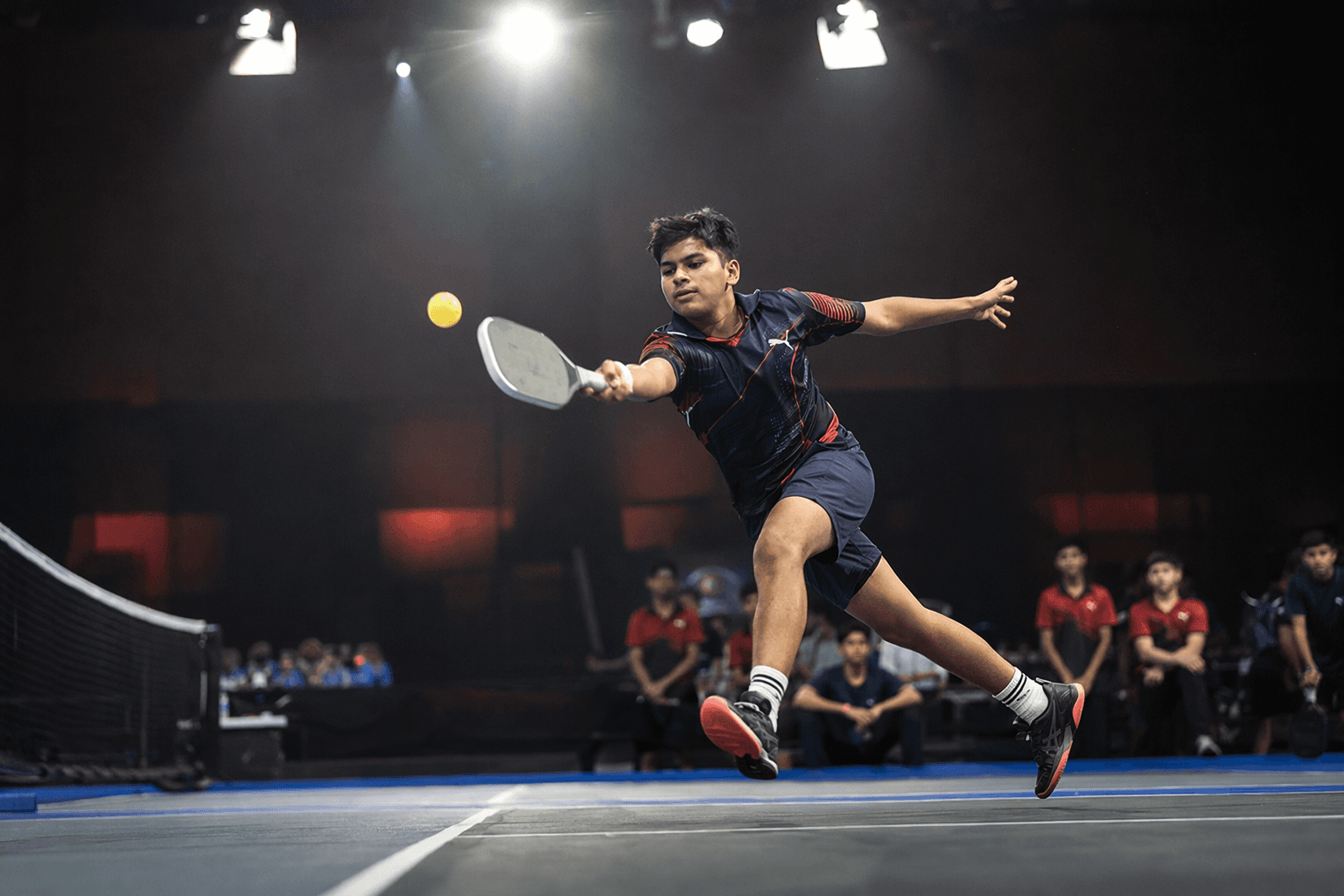
That matters because ambition is built by proof. When juniors can follow names like Mihika Yadav, Priyanka Mehta and Quang Duong through streams and highlights, pickleball stops looking like a casual side sport and starts looking like a career with a route, a badge and a paycheck. Mihika Yadav’s line that the league will “bring out the fearlessness in young India” lands because it captures the real shift here, from participation to belief.
The IPL comparison holds up, but only up to a point
The comparison to cricket’s IPL is useful because it explains how a league changes culture, not just competition. IPL did not merely sell more tickets, it changed how Indian kids pictured themselves, and the IPBL is trying to do the same for pickleball. The point is not that pickleball will copy cricket’s scale overnight, but that a franchise league can give the sport a common reference point for juniors, coaches, sponsors and fans.
Still, the IPL analogy should be tested, not worshipped. Cricket had deep school systems, district structures, sponsorship depth and massive broadcast gravity before its league era fully matured. Pickleball in India is moving fast, but it still has to build the scaffolding that turns a hot property into a talent pipeline: consistent coaching, more courts, stronger rankings, clearer tournament ladders and enough family confidence to make early specialization feel sensible rather than risky.
Why the IPBL is more than a tournament
The inaugural IPBL season was staged in New Delhi at the Indira Gandhi Indoor Stadium and the KD Jadhav Indoor Hall complex, with six franchises setting the tone: Bengaluru Blasters, Chennai Super Warriors, Capital Warriors Gurgaon, Hyderabad Royals, Lucknow Leopards and Mumbai Smashers. That structure matters because franchises create identities that juniors can latch onto. They also make the sport easier to sell to sponsors, because a franchise format looks like a market, not a hobby circle.
The league’s squads reinforced that message. Indian names such as Aditya Ruhela, Mihika Yadav, Priyanka Mehta, Aaliya Ebrahim and Tejas Gulati were placed in the same ecosystem as international draw cards like Quang Duong, Megan Fudge and Jack Munro. That mix does two things at once: it raises the entertainment value for fans and shows young Indian players that their domestic pathway can connect to global-level competition.
The numbers show a sport already moving
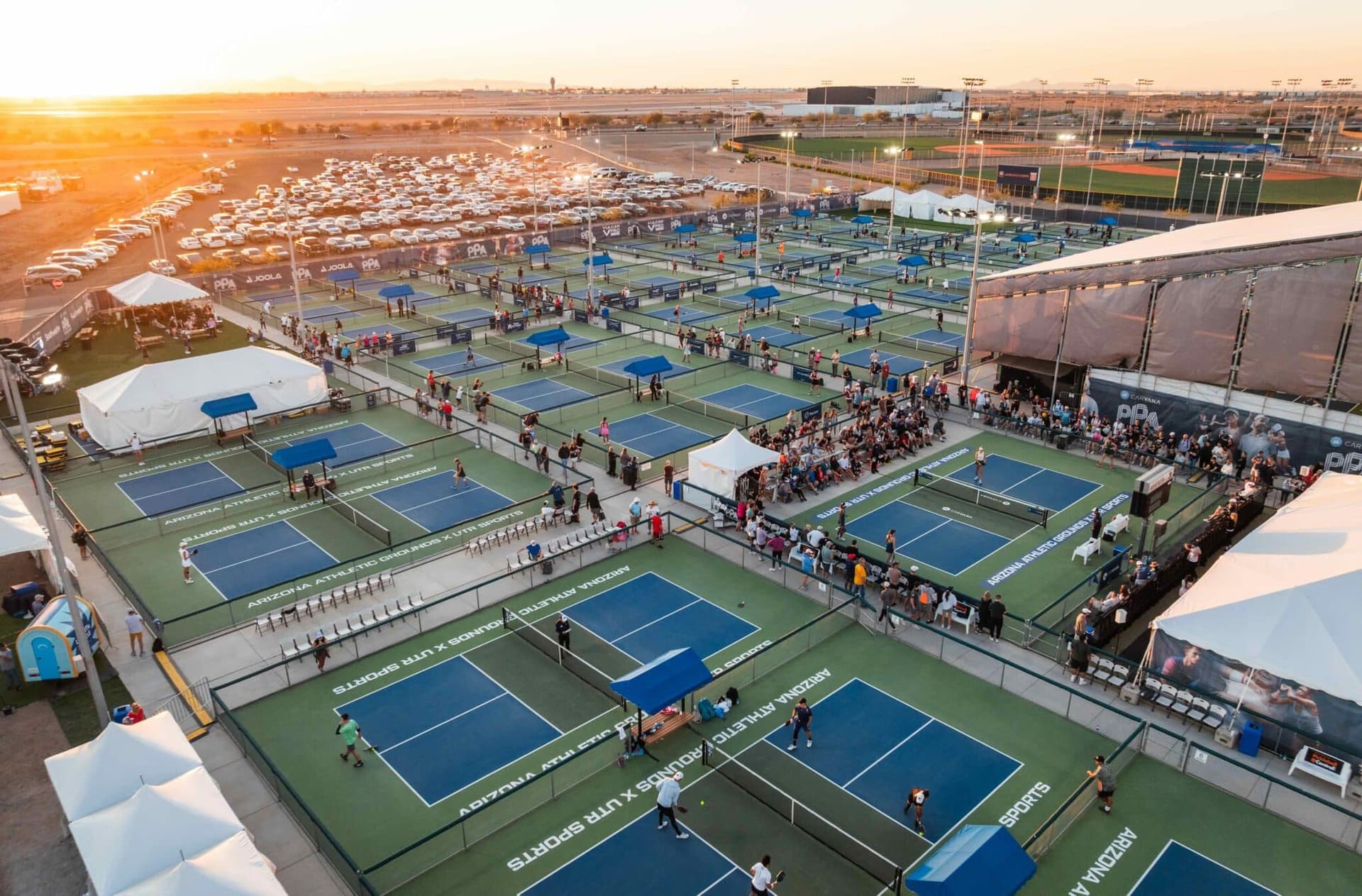
The IPBL is arriving after pickleball has already started to scale in India. The Indian Pickleball Association says it has more than 50,000 players, more than 100 ranking tournaments and coverage across 27 states. IBEF reported that India’s court base jumped from about 200 to more than 1,200 by mid-2024, which is the kind of infrastructure growth that usually precedes a real talent boom.
Industry estimates make the trajectory even clearer. One reported estimate put India’s active player base up 275 percent in three years to around 60,000 active players by the end of 2024, with casual participation above 100,000. Other reporting has projected as many as one million participants by 2028. Those are not just vanity numbers. They are the ingredients of a junior ecosystem, where bigger participation increases the odds of finding athletes who can specialize, compete and eventually break out.
What still has to exist for the pipeline to work
The league can spark youth ambition, but it cannot carry the whole system by itself. If pickleball is going to reshape India’s talent pipeline the way cricket did, the sport needs a few structural pieces to harden around the IPBL’s visibility.
- School and college access: kids need courts they can reach without treating the sport like a luxury pursuit.
- Coaching depth: more players only matter if there are coaches who can turn raw hand-eye coordination into real competitive skill.
- A ladder that makes sense: juniors need rankings, age-group events and transparent routes from local play to national selection.
- Sponsor confidence: brands will fund a sport more aggressively when they see recognizable teams, familiar stars and media-friendly stories.
- Family buy-in: parents are far more likely to support a sport when it has official sanction, career signals and visible role models.
Those pieces are why the league’s institutional backing matters so much. The IPA is recognized by the Ministry of Youth Affairs & Sports as the national sports federation for pickleball in India, which gives the sport a clearer domestic pathway even as the federation has also been placed under observation and not immediately made eligible for some funding support. That mix of recognition and constraint is exactly why the IPBL matters: it can help convert legitimacy into momentum, but it cannot replace policy, funding and grassroots infrastructure.
A longer history gives the league more weight
This is not a sport being invented from scratch. The All India Pickleball Association says it introduced pickleball to India in 2006, and it has said it became a founding member of the Asian federation with international affiliation dating back to 2015. That history explains why the IPBL feels bigger than a new product launch. It is the commercial and cultural formalization of a community that has been building for years.
That is also why the league resonates beyond India. Asia’s pickleball landscape is watching whether India can turn participation into elite competitiveness, because India is one of the region’s biggest growth markets. If the IPBL succeeds, it will not just produce better matchups in New Delhi. It will show how a league can change what children think is possible, how families evaluate sport, and how sponsors decide where the next wave of athletes will come from.
Javier Regalado, the president of the Global Pickleball Federation, said India is very well aligned with what he sees as needed for the sport’s future. He is right, but the bigger truth is sharper: alignment is not the finish line. The IPBL is the beginning of a new imagination for juniors, and the real test is whether that imagination survives long enough to become a system.
This article was produced by Prism’s automated news system from verified source data, official records, and press releases, then run through automated quality and moderation checks before publishing. The system is built and supervised by the people who set the standards it runs under. Read our full AI policy.
Did this article answer your question?