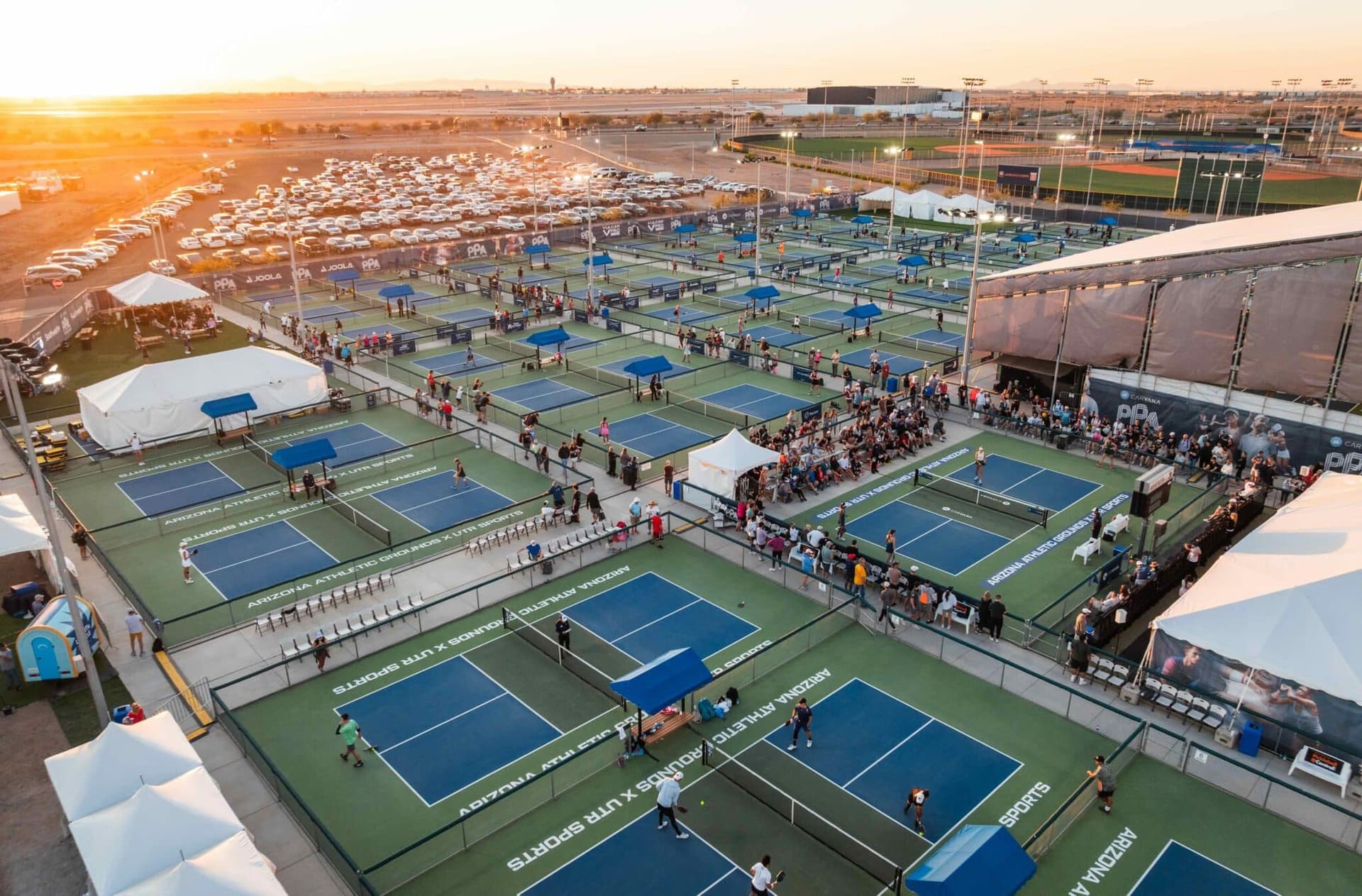
India’s pickleball growth gains momentum from packed tournament calendar
India’s pickleball surge is being built by more tournaments, not just more players. A deeper calendar is turning local talent into regional contenders.
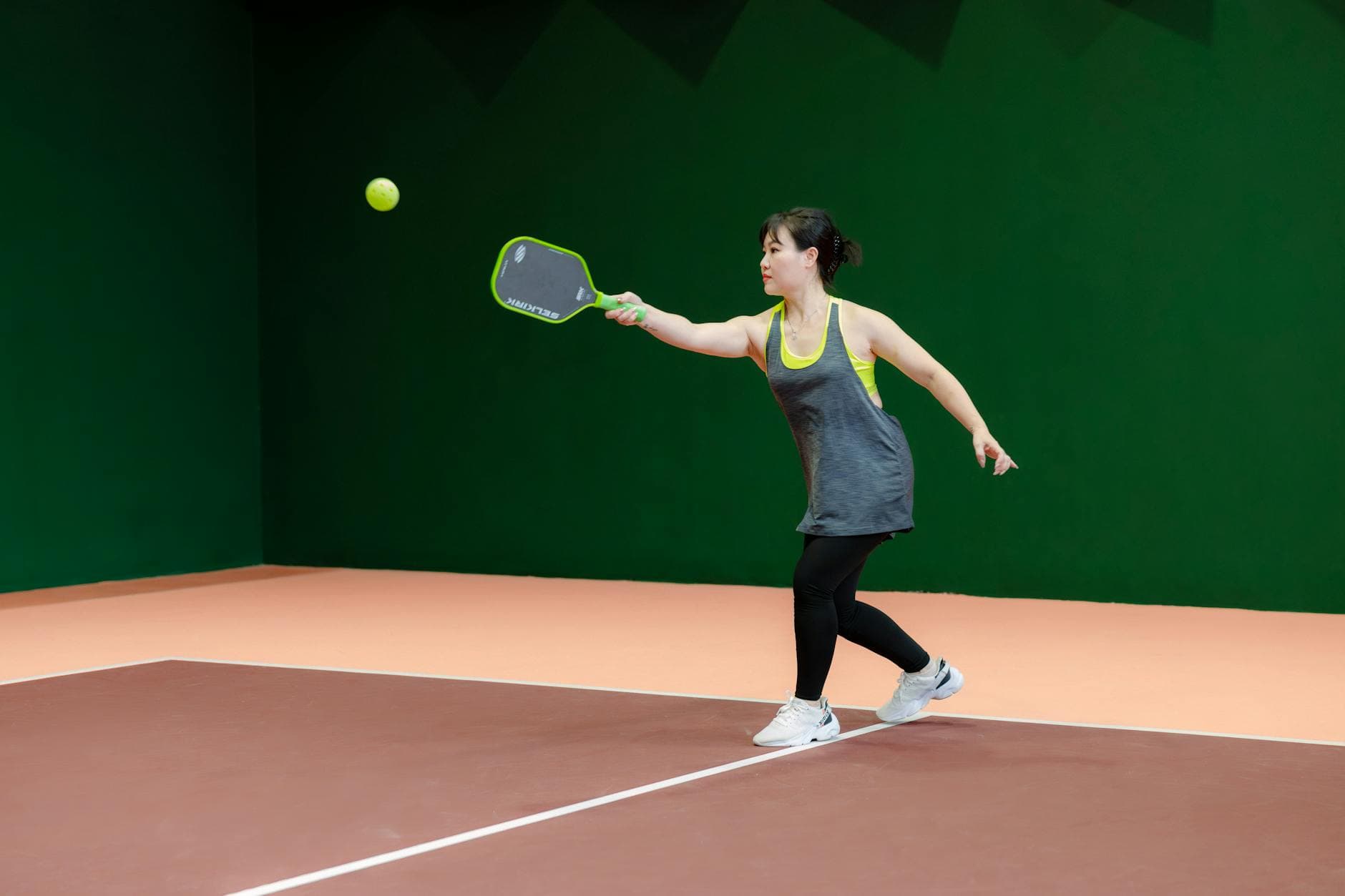
The calendar has become India’s real growth engine
India’s pickleball boom is no longer just a story about participation. The bigger shift is structural: more national-level tournaments are giving players repeated exposure to stronger opposition, more pressure moments and a wider mix of playing styles. That matters because it turns the sport from a collection of weekend events into a competitive system that can actually produce tougher athletes.
The scale is already visible in the numbers. Sportstar reported that India went from a few hundred courts at the start of 2024 to more than 1,200 by the end of the year, while the tournament calendar kept filling out around them. In a sport where access often comes before quality, that kind of expansion changes the baseline fast.
Recognition gave the sport a center of gravity
The Indian Pickleball Association’s formal recognition as a National Sports Federation by the Ministry of Youth Affairs and Sports, in a letter dated April 25, 2025, gave the sport something it had lacked: institutional authority. With that status, the IPA was positioned to regulate, promote and develop pickleball nationwide, which is exactly the kind of framework a fast-growing sport needs if it wants to move beyond scattered local interest.
That recognition matters because it makes the calendar more than a scheduling exercise. Once tournaments sit inside an official structure, they can be tied to rankings, selection pathways and development standards. For a sport trying to build credibility in India and relevance across Asia, that is the difference between growth that looks busy and growth that actually lasts.
PWR made tournaments mean something
The clearest example of that shift came with the PWR DUPR India Masters in New Delhi from October 24-27, 2024 at RK Khanna Tennis Stadium. The event drew about 750 players, carried a USD 50,000 prize pool and, as a PWR700 event, awarded up to 700 ranking points valid for 52 weeks. That combination is important: prize money attracts attention, but ranking points turn attendance into consequence.
PWR said the India Masters was its first fully owned and operated event after the PWR World Tour launched in Dubai in July 2024, which placed India inside a larger professional framework rather than leaving it as an isolated market. Once points are at stake for a full year, players cannot treat events casually. They have to chase rankings, manage form and take every draw seriously, and that pressure is exactly what raises standards.
The system also changes coaching. When tournaments are regular and meaningful, practice plans become more deliberate, because players are preparing for recurring tests rather than one-off appearances. Over time, that builds decision-making, consistency and mental toughness, the exact traits that separate promising players from national-level competitors.
More events are widening the talent map
The spread of events is also revealing how broad the player base has become. The Bridge reported more than 400 participants from 17 states at Bengaluru Open 2024, a sign that the sport is no longer concentrated in a few pockets. By late 2025, the inaugural Indian Pickleball Nationals in Bengaluru showed that depth in a more competitive way, with Maharashtra topping the medal table with three golds and five silvers, and Karnataka close behind with three golds and one silver.
That kind of state-by-state result matters because it shows repeated, meaningful competition across regions. It also helps explain why names such as Armaan Bhatia, Aditya Ruhela, Mihika Yadav, Naomi Amalsadiwala, Pearl Amalsadiwala, Sachin Pahwa, Priyanka Chhabra and Suryaveer Singh Bhullar now sit inside a much wider national conversation. The pool is deepening, and the circuit is making that depth visible.
India is already testing itself beyond its borders
The domestic buildout is starting to show up on the Asian stage too. At the Asian Open Pickleball Championship in Vietnam in May 2024, India won three gold medals and two bronze medals, a strong return that signaled the country was not just adding players at home but beginning to translate that growth into continental results. That is the true benchmark for any rising market: whether internal expansion produces athletes who can hold up when the competition travels.
This is where the tournament calendar becomes a development tool rather than a burden. More events create more pressure, more recovery demands and more chances to adapt to different styles. In practical terms, that is how a local scene starts to close the gap with the broader Asian circuit.
The league era adds money, visibility and urgency
The next layer of the story is commercial. The Times Group and the Indian Pickleball Association launched the franchise-based Indian Pickleball League, which held its inaugural season in New Delhi from December 1-7, 2025 and featured five teams. The format matters because leagues do more than crown winners. They create repeat storytelling, build recognizable brands and give sponsors a clearer product to back.
The reaction around the league showed how much ambition has grown. Pranav Kohli said Andre Agassi’s involvement would give the league a major boost, and Vineet Jain framed the franchise teams as proof of the scale and ambition now defining Indian pickleball. That is a different level of conversation from registration drives or isolated local results. It is the language of a sport trying to become a market.
Why this matters for Asia
India’s importance inside Asian pickleball is growing because it is building a system, not just a fan base. A deeper national schedule means better habits, stronger coaching feedback and a cleaner path from domestic success to continental relevance. It also makes national-team selection more credible, because players are being measured across a broader sample of tournaments, surfaces and opponents.
The bigger picture is simple: the more Indian pickleball turns its tournaments into ranking pressure, the faster its players will learn how to win under it. That is how a fast-growing sport stops being a curiosity and starts becoming a contender.
This article was produced by Prism’s automated news system from verified source data, official records, and press releases, then run through automated quality and moderation checks before publishing. The system is built and supervised by the people who set the standards it runs under. Read our full AI policy.
Did this article answer your question?