ITA and GPF Launch February Clean Sport Webinar Ahead of Anti-Doping Program
ITA and GPF will run a clean sport webinar in February to educate pickleball athletes ahead of an independent anti-doping programme.
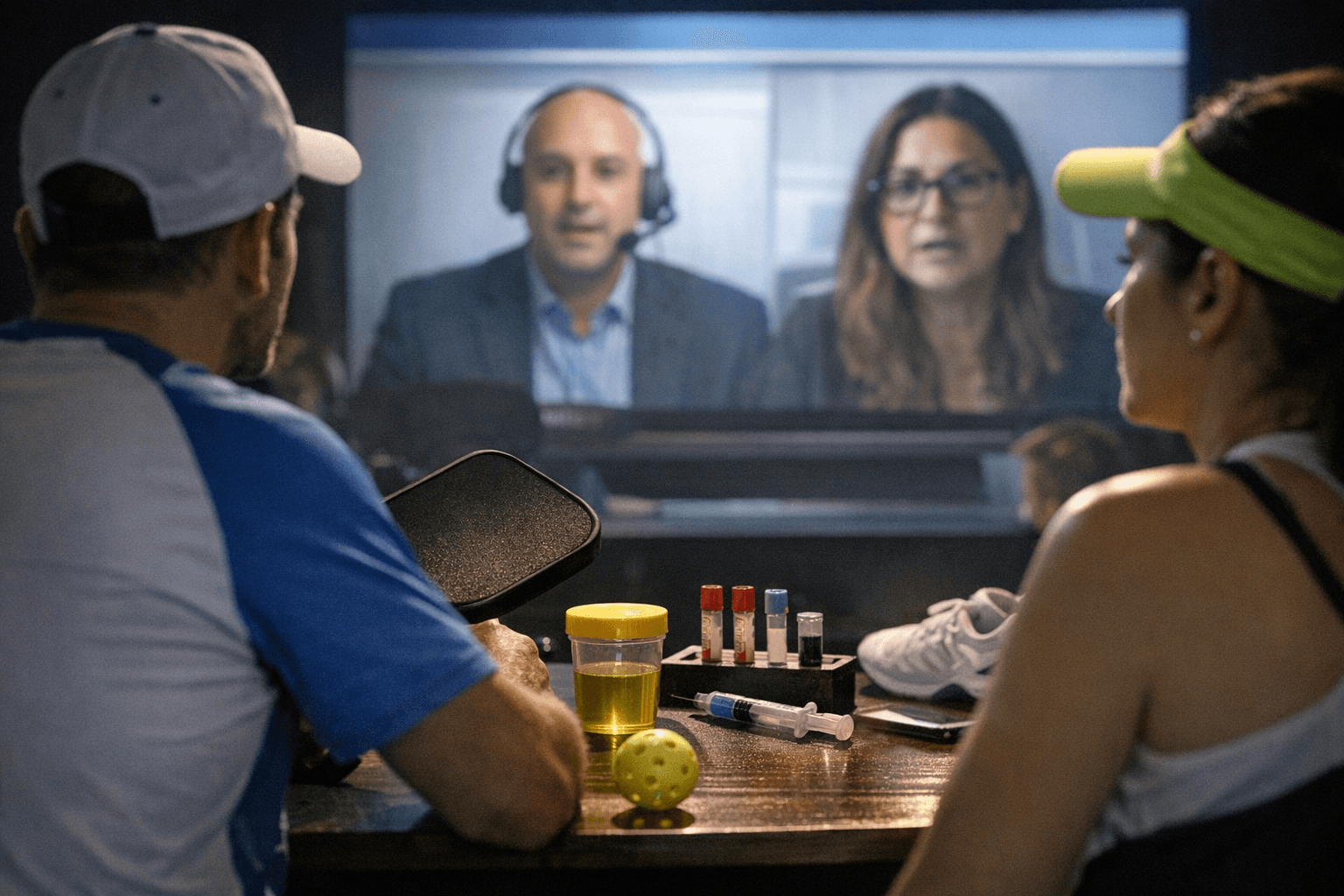
The International Testing Agency (ITA), acting on behalf of the Global Pickleball Federation (GPF), will run a Clean Sport education webinar in February 2026 as the organisations prepare to roll out an independent anti-doping programme for pickleball over the coming years. The session is aimed at players, coaches, and tournament organisers across Asia and beyond and is framed as a practical first step toward standardized testing and education.
The webinar will cover anti-doping basics, practical scenarios to guide athlete decision-making, a toolkit of resources, and a live question-and-answer segment. GPF board member Mark Fabbro is named as a webinar speaker. The session will be conducted in English with automated translated captions to improve accessibility, and attendees will receive a PDF resource pack. Registration is available via the Zoom webinar registration link cited in the announcement.
For Asia’s rapidly growing pickleball scene, the move has immediate operational and reputational implications. Organisers of regional circuits and club events will need to factor education and compliance into event planning, and professional players who travel for competitions will soon face clearer expectations around supplements, therapeutic use exemptions, and sample collection procedures. The ITA-GPF partnership signals that pickleball’s administrative structures are maturing from grassroots recreation toward a sport with formal governance and integrity standards.
Business stakeholders will take note. Independent anti-doping systems tend to reassure sponsors, broadcasters, and multi-sport event organisers that competitions are credible and prize money is legitimate. That credibility can unlock commercial investment but also introduces new cost lines for federations and tournament hosts - from education delivery to possible testing logistics. For Asian federations spread across diverse jurisdictions and language groups, the ITA’s experience running multilingual programmes will be vital to scaling a consistent approach.
Culturally, the ITA-GPF initiative intersects with pickleball’s hybrid identity as both a social activity and an emerging professional pursuit. Players who learned the game in community centres will now encounter compliance regimes more commonly associated with long-established professional sports. That shift raises questions about how to support younger players and hobbyists so they understand anti-doping rules without feeling alienated from the sport’s casual roots.
The live webinar and the promised resource pack aim to lower the barrier to understanding complex rules and real-world scenarios. For Asian players and coaches, the February session is not an endpoint but a kickoff: it sets expectations that education will be followed by phased implementation of testing and governance. Expect further announcements from the GPF and ITA detailing timelines and operational plans as the partnership moves from education to enforcement.
This article was produced by Prism’s automated news system from verified source data, official records, and press releases, then run through automated quality and moderation checks before publishing. The system is built and supervised by the people who set the standards it runs under. Read our full AI policy.
Did this article answer your question?