Japan pickleball players surge to 330,000, market still early stage
Japan has 11.89 million potential pickleball players, a market far larger than the current 330,000 base. That gap is now pulling in courts, retail and a new national governing body.
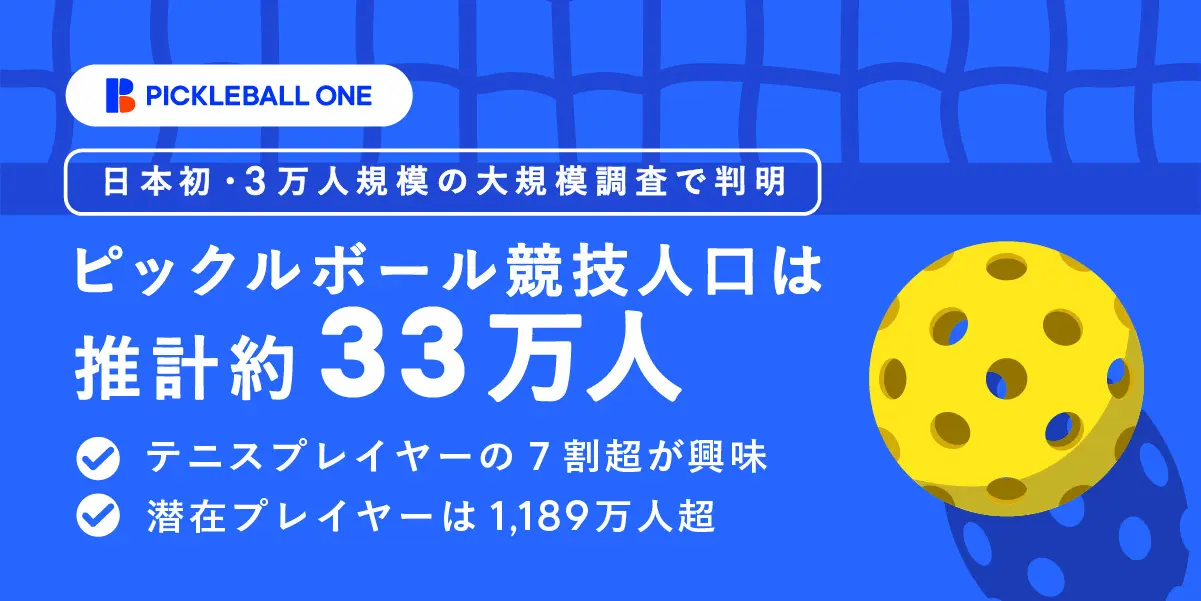
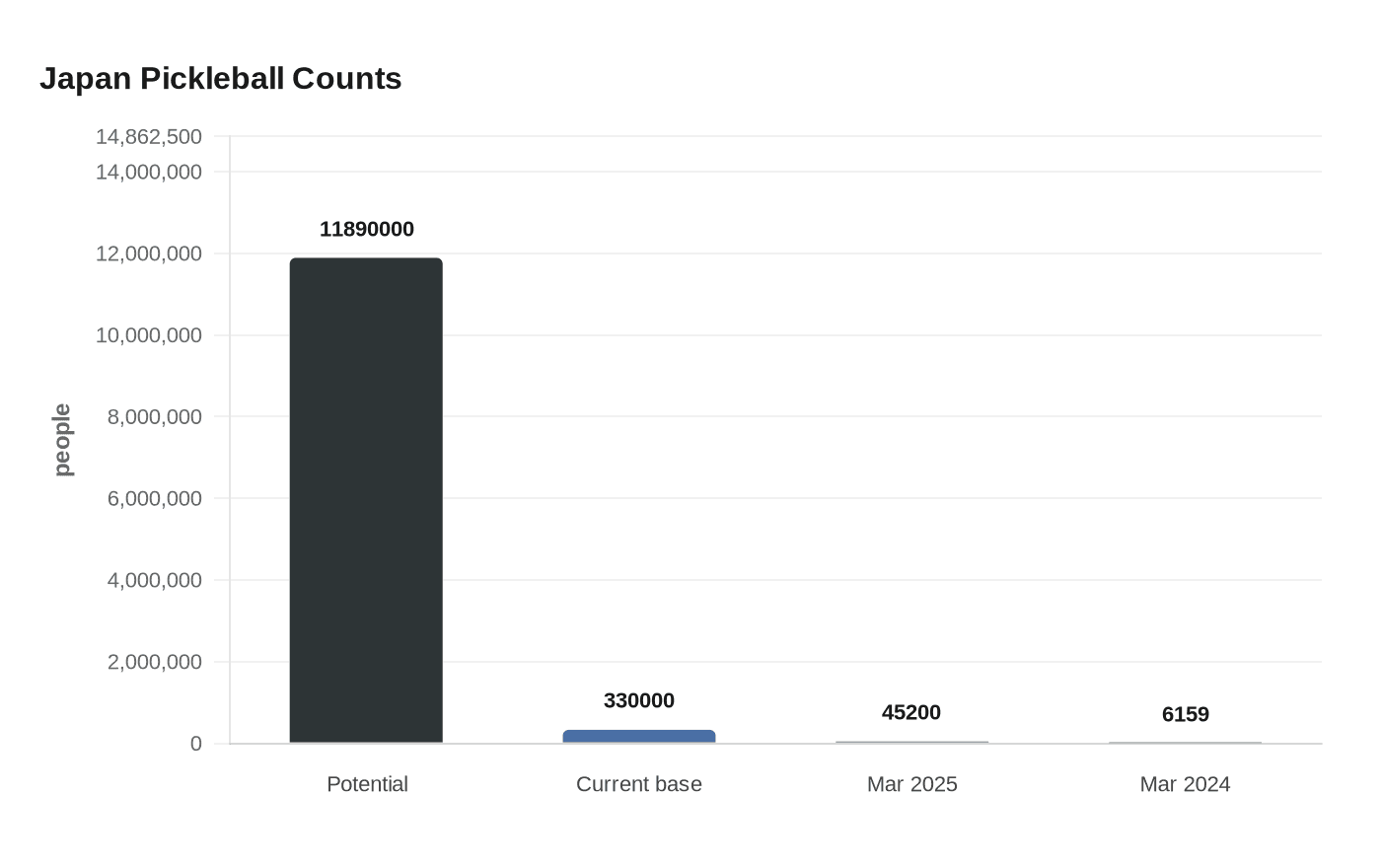
Japan’s pickleball boom still looks early, and that is exactly what makes the numbers so striking. Pickleball One’s March 2026 survey estimates 11.89 million potential players in the country, about 36 times the current playing base of 330,000. For investors, club operators and brands looking at Japan, the message is blunt: the sport has already broken out of niche status, but the real market may still be ahead.
The survey, based on about 30,000 respondents, put pickleball recognition in Japan at just 13.1 percent. Yet among people who do know the sport, interest is building fast. Tennis players stood out in particular, with 72.5 percent saying they were interested in trying pickleball. That matters because tennis players already understand racket sports, net play and court movement, giving the game a much shorter conversion path than a cold-start consumer market.

Pickleball One also said Japan’s player base had grown from about 45,000 in March 2025 to about 330,000 a year later, while its monthly active users climbed from 6,159 in March 2024 to 30,219 in March 2025. The company said on April 21 that it had raised funding and was working with five major Japanese companies, underscoring how quickly the category is moving from scattered participation to a more organized industry.
That industry is taking shape on multiple fronts at once. On March 13, the Japan Pickleball Association and the Pickleball Japan Federation signed a merger agreement, and the deal took effect on April 14, creating Pickleball Japan. The new body said it would pursue sustainable growth and build a unified competitive framework, a sign that governance is catching up with demand.
The facility race is moving just as fast. Nippon Pickleball Holdings said Picklr Tokyo Toyosu is scheduled to open in autumn 2026 with seven official courts across about 560 tsubo. Before that, a pilot court is set to open at Aeon Mall Makuhari Shintoshin on April 25. The mix of a mall-based test site and a full-size flagship in Toyosu shows where operators see the next wave: easy access, visible retail placement and enough court supply to turn curiosity into repeat play.
Japan’s market is still young, but the shape of the next phase is already visible. The players are arriving, the institutions are merging, and the real competition is becoming a race to define the sport before it fully matures.
This article was produced by Prism’s automated news system from verified source data, official records, and press releases, then run through automated quality and moderation checks before publishing. The system is built and supervised by the people who set the standards it runs under. Read our full AI policy.
Did this article answer your question?