Judy Hoarfrost returns to China, reviving ping-pong diplomacy through pickleball
Judy Hoarfrost’s return to China shows pickleball can carry more than points. It can carry memory, youth exchange, and the kind of soft power Asia still responds to.
The bridge Hoarfrost reopened
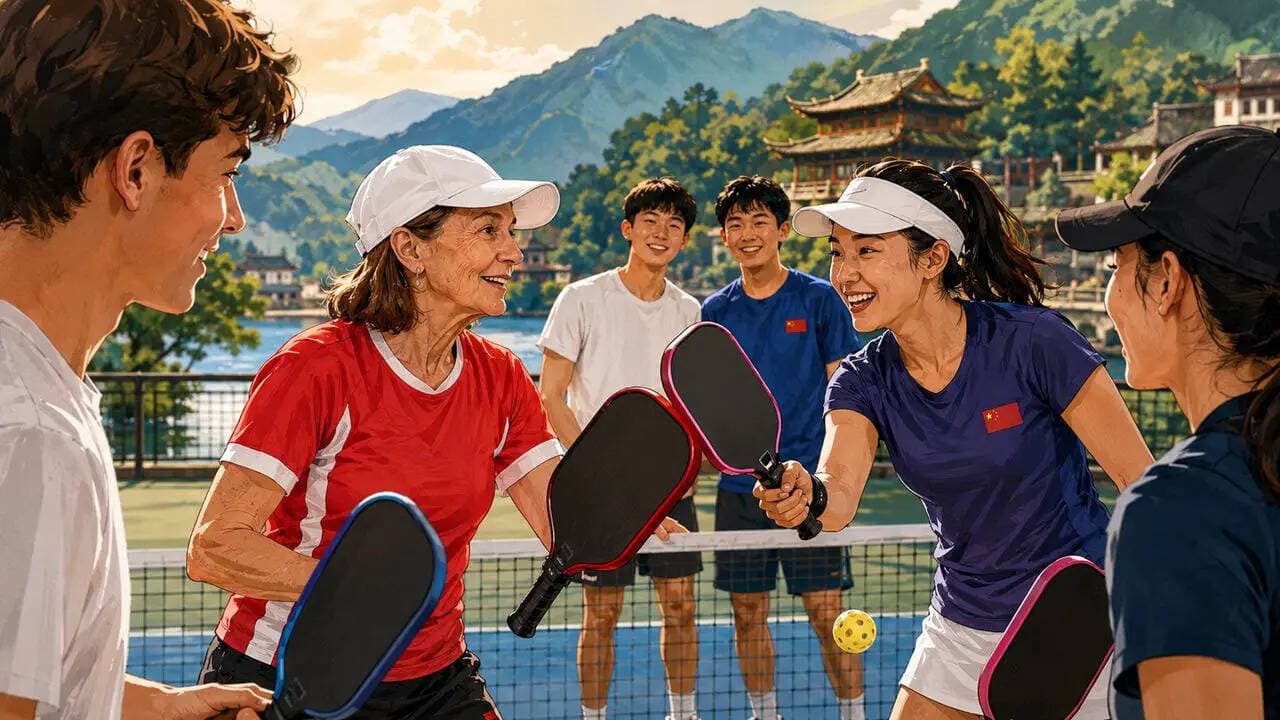
Judy Hoarfrost is 70 now, but the more important number is 55. That is how long China has been tied to her story, and why her return with a pickleball paddle matters far beyond one exhibition trip. In April 1971, she arrived in China at 15 as the youngest member of a 15-member U.S. table tennis delegation, part of the Ping-Pong Diplomacy chapter that helped reopen channels of contact between the two countries.
That history gives her current visit a different weight than the usual nostalgia tour. Hoarfrost did not come back as a museum piece. She came back as an active player, still moving nimbly on court and still celebrating rallies by tapping paddles with Chinese partners. In her own words, it was her 10th trip to China, and she said she was struck by the country’s “extreme trajectory of growth” over the past 55 years.
Why pickleball fits the old diplomacy script
Pickleball is a much younger sport than table tennis, but in China it is already being asked to do some of the same work: lower the temperature, create a shared language, and turn competition into connection. Hoarfrost’s trip makes that case better than any policy deck could, because she links the original diplomatic moment to the new one. The symbolism is obvious, but the practical value is what makes it persuasive.

She was not traveling alone. The delegation included American youths, many of whom had never been to China before, which turns the story from a reunion into a relay. That matters in Asia, where racquet-sport identity is already deeply established and where pickleball cannot simply show up as a novelty. It has to earn a place in the cultural memory of the region, and stories like Hoarfrost’s give it a route in.
The April commemorations made the scale clear
China marked the 55th anniversary of Ping-Pong Diplomacy with a commemorative youth exchange in Shijiazhuang, Hebei Province, on April 11-12, 2026. Chinese state media said the event drew more than 200 participants from the United States, including young athletes, middle school students and goodwill representatives. That is not a symbolic handshake, it is a full-scale people-to-people program.
The exchange also extended beyond one city. Participants visited the International Table Tennis Federation Museum and the China Table Tennis Museum in Shanghai, tying the present-day paddle sport to the institutional memory of the original table tennis breakthrough. The message was hard to miss: China is not treating this history as frozen in amber. It is actively packaging it for the next generation.
Ganzhou showed where pickleball is headed
If Shijiazhuang was about memory, Ganzhou was about momentum. The China-U.S. Friendship Pickleball Event ran from May 8 to 11, 2026, in Ganzhou City, Jiangxi Province, and brought together young players from Utah Tech University, the Oregon Friendship Pickleball Delegation and Chinese pickleball teams. That mix matters because it shows pickleball diplomacy is moving from ceremonial revival to repeatable exchange.
Wesley Gabrielson, captain of the Oregon Friendship Pickleball men’s team, said it was his first time in China and that “everyone here brings such warmth.” That line tells you why these events travel well. The competition is real, but the tone is what makes it sticky. When players can make friends across language barriers, the sport becomes a vehicle for trust instead of just a bracket.
Xi Jinping’s response put official weight behind the trend
The diplomatic frame got stronger in July 2025, when Chinese President Xi Jinping replied to a U.S. youth pickleball cultural exchange delegation from Montgomery County, Maryland. Xi said pickleball had become “a new bond for youth exchanges” between China and the United States and urged the students to become ambassadors of friendship. That was not a throwaway line. It put pickleball inside an official narrative about youth contact and international outreach.
The delegation’s visit also came under Beijing’s initiative to invite 50,000 young Americans to China for exchange and study programs over five years. That scale changes the conversation. Pickleball is no longer just a recreational import with a catchy name. In China, it is being folded into a broader youth diplomacy strategy that also touches tourism, cultural outreach and the rebuilding of mutual familiarity.
What Hoarfrost means for pickleball in Asia today
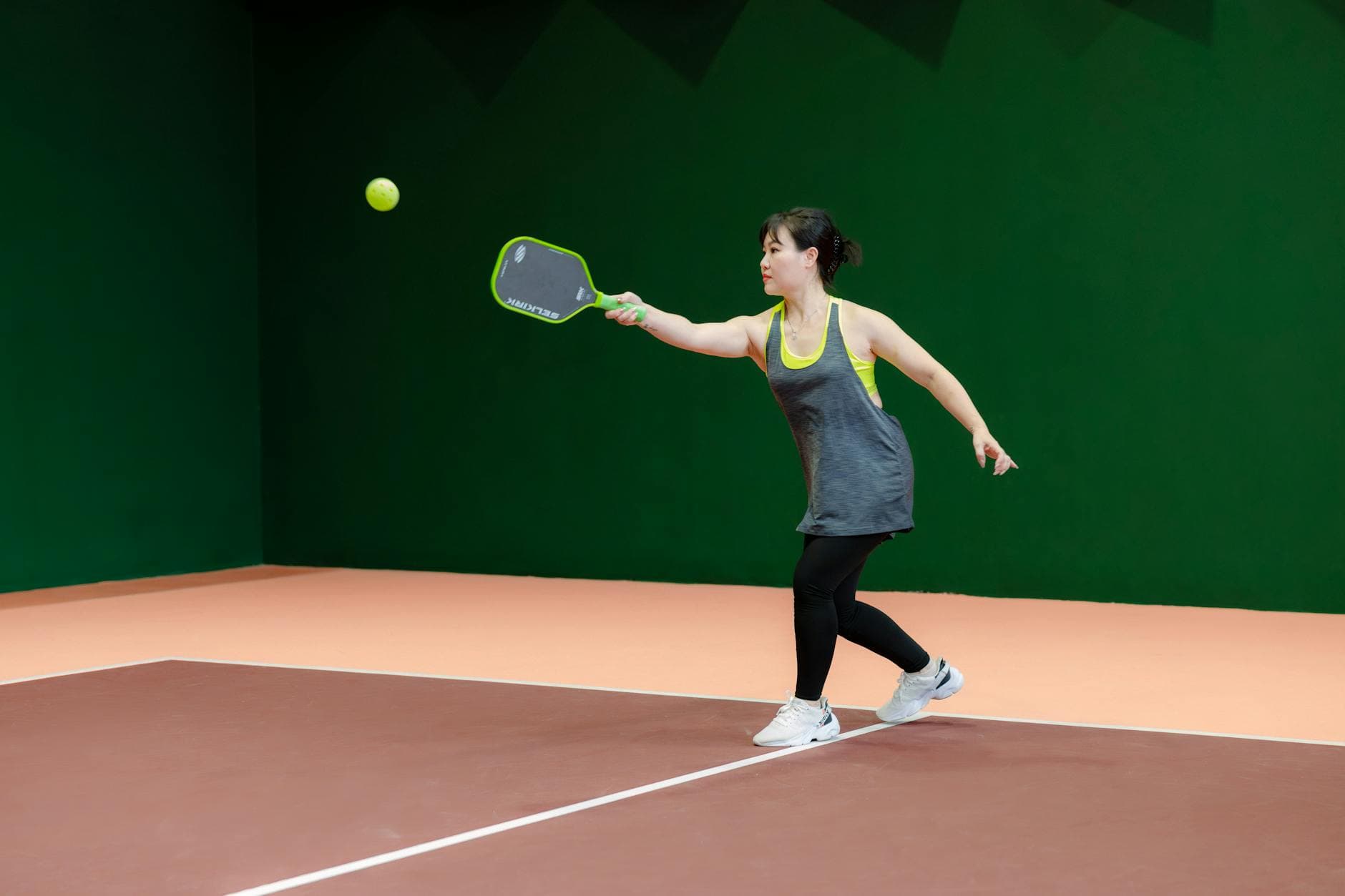
Hoarfrost’s return gives pickleball in Asia a valuable template. Older players bring continuity, because they carry the memory of the original bridge between the United States and China. Younger players bring the future, because they make that memory legible in a different era. Put those together and the sport gains something many new disciplines never find: a story that crosses generations without feeling forced.
That is the real soft-power opportunity here. In a market where table tennis already has deep roots, pickleball will not break through by pretending to replace the old guard. It breaks through by joining the conversation, then widening it. Hoarfrost’s presence, the youth delegations, the museum visits and the official recognition from Xi all point to the same conclusion: in Asia, pickleball’s fastest path to relevance may be through shared history, not just shared courts.
The sport’s rise in China is still in its early chapters, but the outline is clear. If pickleball can keep turning competition into conversation, and conversation into memory, it will have something stronger than novelty behind it. It will have a reason to last.
This article was produced by Prism’s automated news system from verified source data, official records, and press releases, then run through automated quality and moderation checks before publishing. The system is built and supervised by the people who set the standards it runs under. Read our full AI policy.
Did this article answer your question?