Li Zongjin, Yang Changle Win Pro Pickleball Doubles at Cross-Strait Camp
Li Zongjin and Yang Changle claimed the professional mixed-doubles title at the Cross-Strait youth camp pickleball invitational, a win that highlighted sport-driven cultural exchange and youth diplomacy.
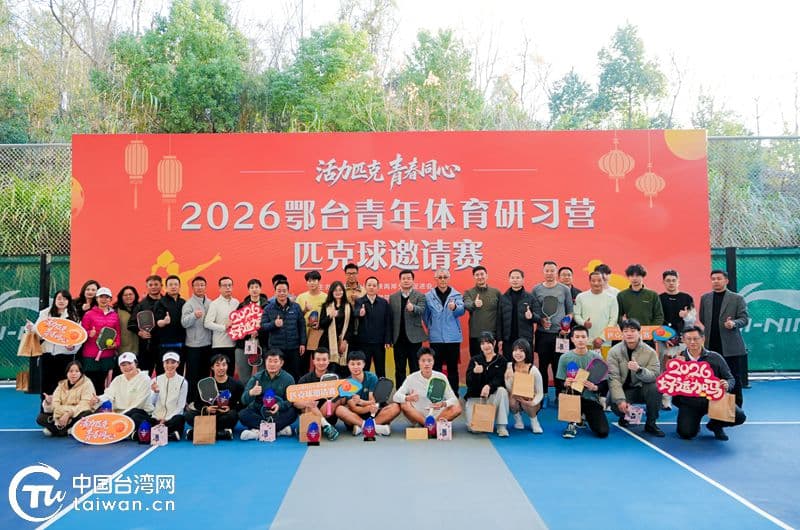
More than 40 young players from both sides of the Taiwan Strait were mixed into teams for a pickleball invitational at the Hubei–Taiwan youth sports exchange camp in Wuhan, and the professional division title went to Taiwanese university student Li Zongjin and Wuhan University of Technology student Yang Changle. The event used a randomized mixed-doubles draw, with pairs drawn by lot, testing players' adaptability and communication as much as technical skill.
The draw-by-lot format amplified the event’s twin goals of competition and exchange. With professional and amateur divisions running side by side, the camp emphasized quick-formation teamwork - dinks, third-shot planning, kitchen positioning and coordinated movement - over established pairings. Li and Yang’s triumph underscored the value of rapid rapport building: their court coverage and tactical awareness allowed them to connect serving patterns and transition shots efficiently against opponents who had longer-standing partnerships.
Organisers from the Hubei Cross-Strait Exchanges Promotion Association and Wuhan Sports University framed the invitational as part of a broader cultural and sports diplomacy agenda. Beyond the courts, participants visited regional cultural sites and sampled sports such as golf and dragon boat, marrying sport-specific development with cultural-tourism exposure. The mixture of recreation and high-level play created a festival atmosphere while also positioning pickleball as a bridge-building activity among younger generations.
From an industry perspective, the camp illustrates how universities and regional associations are becoming incubators for pickleball growth in Asia. By integrating competitive formats with exchange programming, organisers expand the sport’s pipeline while creating opportunities for sponsorship, campus leagues, and local sports tourism. The cross-strait pairing model also serves as a practical template for talent identification: randomized doubles can reveal versatile, coachable players who thrive under variable conditions.
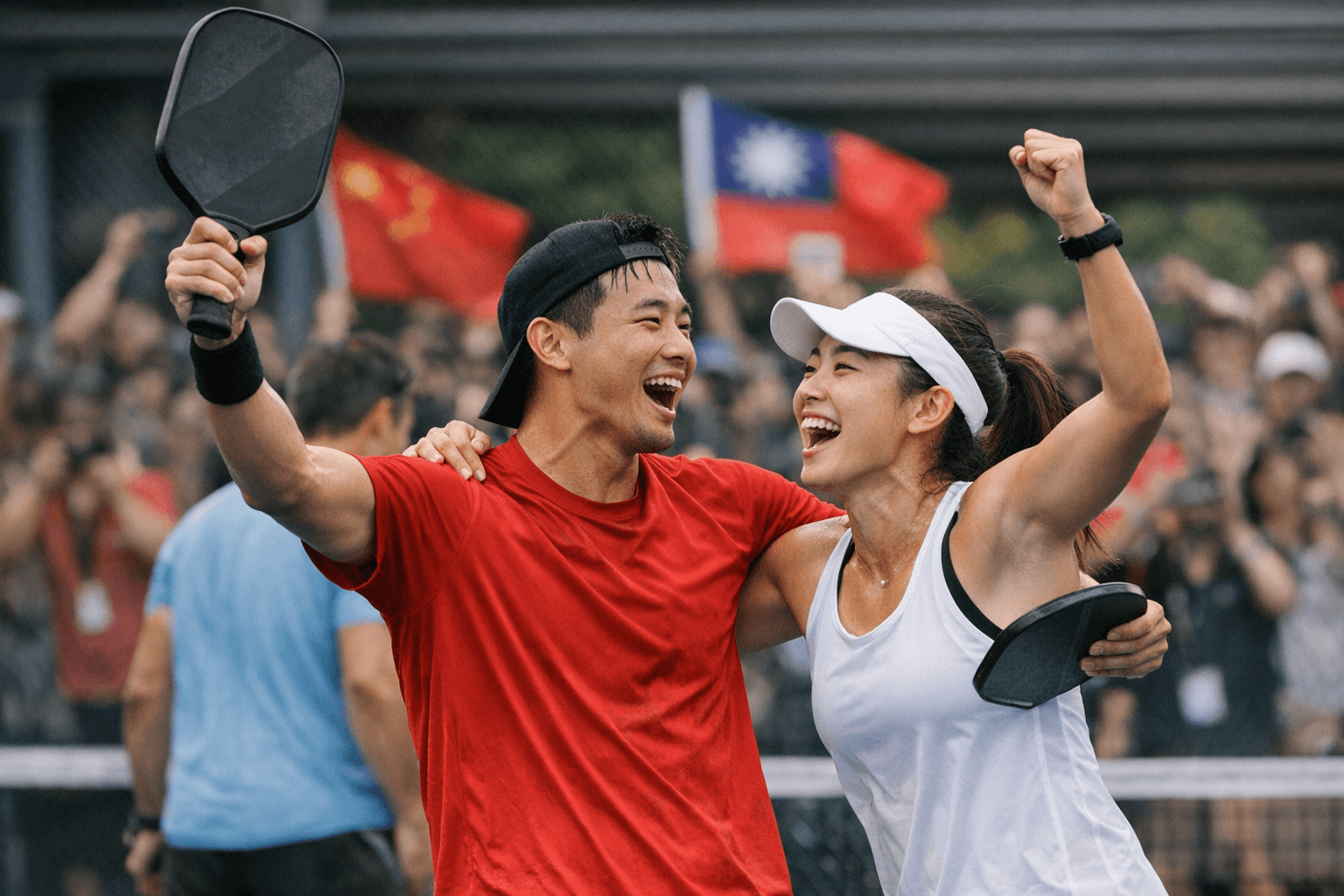
Socially, the event functioned as soft diplomacy. Bringing youth together in mixed teams turns matchups into chances for conversation, cultural learning and lasting connections beyond formal competition. That social capital can ripple into increased cross-border collaboration in sport education, joint events, and shared best practices for grassroots development.
For regional pickleball followers and program planners, the Wuhan invitational signals a maturing ecosystem where sport, education and tourism intersect. Expect more mixed-format events that prioritize exchange, more university-led initiatives feeding competitive pathways, and a steady rise in pickleball’s visibility across Asia as it evolves from recreational pastime to structured cross-border movement.
This article was produced by Prism’s automated news system from verified source data, official records, and press releases, then run through automated quality and moderation checks before publishing. The system is built and supervised by the people who set the standards it runs under. Read our full AI policy.
Did this article answer your question?