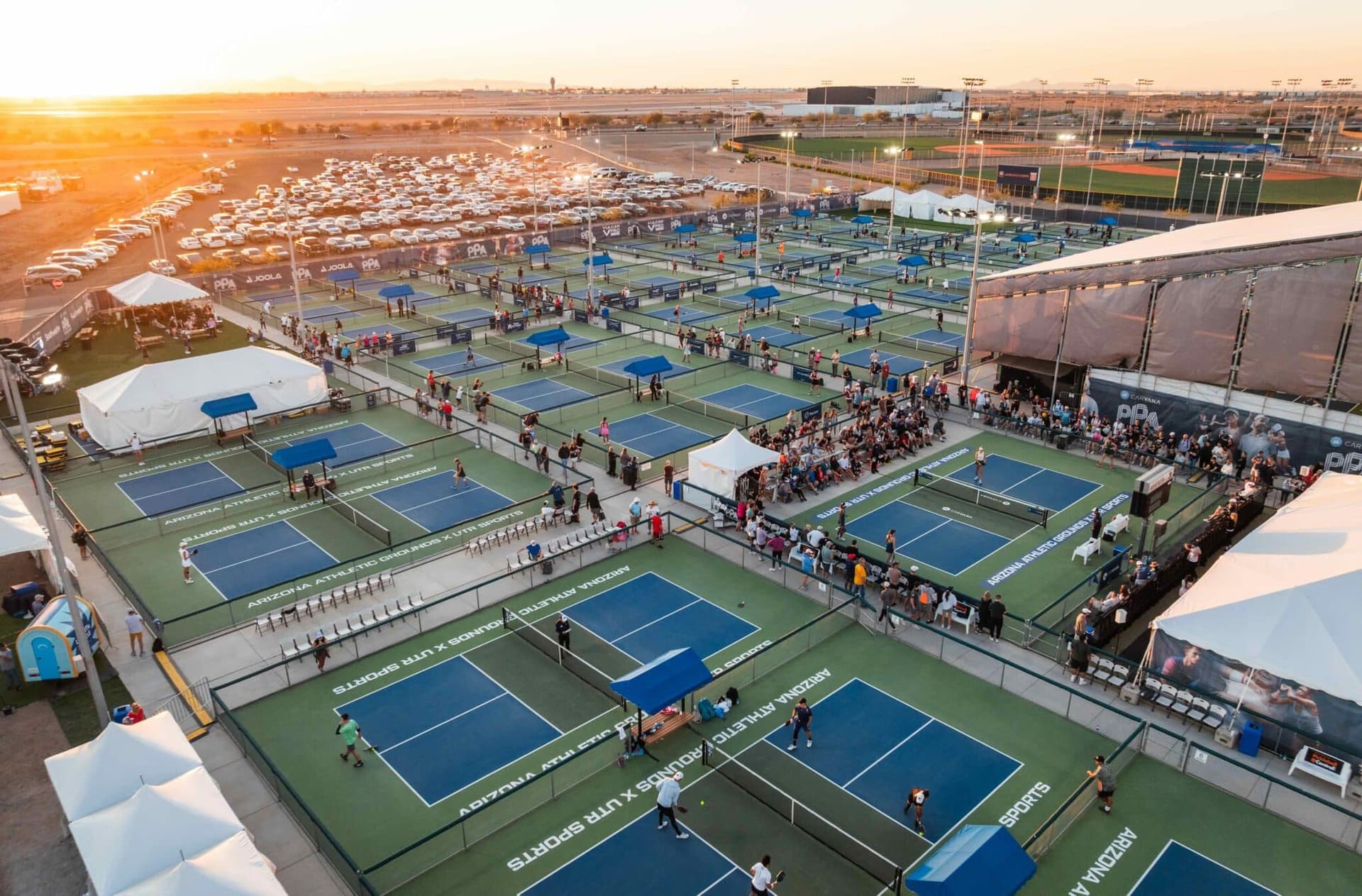
MLP comes to Saigon, pickleball blends sport, fashion and culture
Saigon is turning pickleball into a lifestyle event, and MLP-style team play may be the format that makes Vietnam’s boom stick. The payoff is bigger crowds, easier storytelling, and a more sponsor-friendly scene.

Saigon’s new pickleball thesis
PLAY BEYOND in Saigon is being framed as more than another stop on a growing calendar. It is a test case for whether pickleball in Vietnam can become a durable scene by fusing sport, fashion, and KOL culture, with Major League Pickleball’s team format serving as the connector. That matters because it shifts the sport from a simple bracket to a social product: easier to watch, easier to package, and easier to share.
The real question is not whether pickleball can attract players in Vietnam. It already can. The bigger question is whether the sport can turn casual curiosity into something repeatable, with spectators who understand the format, clubs that keep people coming back, and sponsors that see more than a one-off activation. Saigon, with its young and networked urban market, is where that experiment makes the most sense.
Why the MLP format changes the experience
Major League Pickleball’s appeal is structural. Official league materials describe its team competition as mixed-gender, fast-paced, and built around rally scoring. That combination changes the rhythm of the match and the way a crowd follows it. Instead of a single isolated draw, the team frame creates storylines across multiple players and genders, which makes the action feel closer to a live event than a technical tournament.
- The scoring moves quickly, so the energy stays high.
- Team identity gives casual fans something to remember beyond individual matches.
- Mixed-gender lineups broaden the cast of recognizable faces.
- The format makes it easier to explain momentum, pressure, and comeback swings.
For spectators, that is a meaningful difference:
For first-time players, the atmosphere matters just as much as the rules. When the event sits at the intersection of sport and culture, it lowers the intimidation factor that can come with a more traditional, elite-only competition. In a city like Saigon, where lifestyle and social scene are often part of the value proposition, that can be the bridge from curiosity to participation.
The numbers show Vietnam is already primed
Vietnam is not starting from zero. In a regional study by UPA Asia and YouGov, 1.9 billion people across 12 Asian territories had heard of pickleball, 812 million had played at least once, and 282 million were playing at least monthly. Vietnam stood out with 88% awareness, and the audience skewed younger, especially in the 18-35 range.
That helps explain why the country’s growth is being read not just as a sports story, but as a development model. A PPA Tour Asia feature said Vietnam recorded 152% growth in 2024 alone and counted more than 16 million frequent players. When a sport is moving that fast, format becomes strategy. The event that feels welcoming, social, and visually distinct has a better shot at converting awareness into repeat play.
Saigon as the proving ground
Ho Chi Minh City has already become one of the key stages for this rise. The MB Vietnam Open 2025 ran Sept. 4-7 at Global City Sports Park, while the first PPA Asia Vietnam Open in the city drew 354 amateur and professional players. Those are not isolated data points. They show a market that can support both top-end competition and broad participation.
The domestic scene is building in parallel. TTC Group said the first leg of the Pickleball D-Joy Tour 2026 opened March 19, 2026, at the Pickleball D-Joy South Saigon complex, with a prize pool worth nearly 3 billion VND. TTC Group later said the tour received 1,296 registrations, including 149 international athletes, within three weeks of announcement. That is the kind of response organizers want when they are trying to prove there is depth beyond the headline event.
PickleAsia also reported that the Vietnam Pickleball Open Cup 2025 at The Dinker Club in District 7 stretched across five days and included both pro and amateur brackets. Later, its Rise with the Flames finale in Ho Chi Minh City added live streams, clinics, and meet-and-greets. Taken together, those ingredients show a market learning how to build a full ecosystem, not just a tournament weekend.
What team format changes for clubs and sponsors
The MLP-style model is attractive because it does more than stage matches. It gives clubs and promoters a repeatable template that can be extended into leagues, clinics, social content, and branded experiences. A team structure creates more touchpoints for members, which is especially useful in a market where pickleball is being sold as both participation and belonging.

- Team play encourages groups, not just individuals, to sign up together.
- Social identity makes retention easier because players feel part of a side.
- Mixed-gender formats widen the base of participants and spectators.
- Clinics and meet-and-greets help turn a tournament into a community asset.
For club growth, the upside is obvious:
Sponsors get a different kind of value too. Team events create more inventory: jerseys, sidelines, social content, player features, and hospitality moments. Fashion and creator culture fit naturally into that environment. In Saigon, where lifestyle presentation is part of the market’s language, pickleball can be sold less like a niche racket sport and more like a scene.
Why this could matter beyond one event
The larger significance is regional. Asia does not need one pickleball model. It needs several. Some markets will grow through elite tours and ranking points. Others will grow by making the sport feel native to a city’s social rhythm. Saigon appears to be leaning into the second path, and that could be just as important for Southeast Asia’s long-term development.
If Vietnam can keep converting awareness into participation, participation into clubs, and clubs into events people want to attend, then MLP-style team play could become more than a format import. It could become the blueprint for how pickleball in Southeast Asia moves from fast growth to lasting structure.
This article was produced by Prism’s automated news system from verified source data, official records, and press releases, then run through automated quality and moderation checks before publishing. The system is built and supervised by the people who set the standards it runs under. Read our full AI policy.
Did this article answer your question?