Mountbatten Trial Uses Foam Balls to Create Silent Pickleball, Draws 120 Residents
Mountbatten Community Club trialled high-density foam balls to cut pickleball noise, drawing more than 120 residents and testing a quieter model for neighbourhood play.

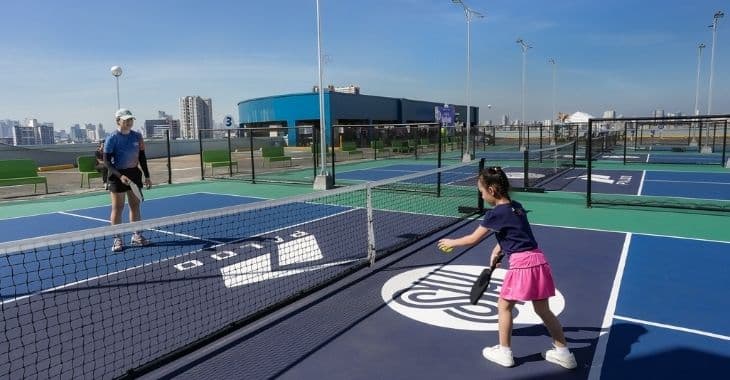
Mountbatten Community Club hosted a test session using high-density foam balls to create quieter pickleball play, attracting more than 120 residents for tryouts and demonstrations. Organisers and the local MP said the foam balls dampened the characteristic popping sound of polymer pickleballs down to conversational levels, a potential solution for dense urban neighbourhoods where acoustic complaints limit court hours.
The trial focused on recreational uptake rather than competition. Foam balls were distributed to participants so newcomers and regular players could feel differences in serve, volley, and dink dynamics. Players reported rallies that felt slower and softer; balls produced less rebound and reduced pace compared with standard plastic balls. Those trade-offs matter for coaching and player development, because foam alters timing on the kitchen and requires adjustments to paddle speed and shot anticipation.
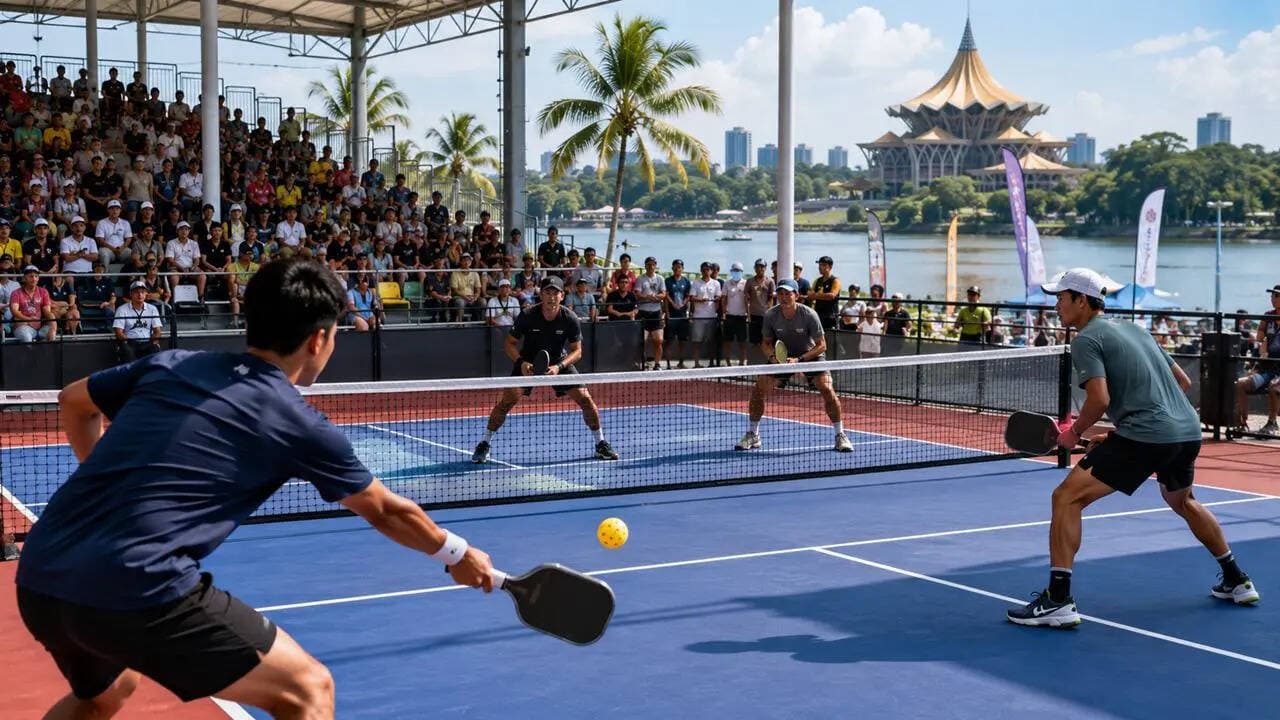
From a sports-operations perspective, the experiment underscores a clear distinction: foam balls make pickleball friendlier to multi-use estates and early-morning or late-night sessions, but they do not replicate sanctioned-match conditions. Tournament play and official ratings rely on standardized bounce, spin, and speed from approved plastic balls. For community centres and rec centre programmes focused on entry-level skills, foam balls offer an alternative that preserves basic stroke mechanics while shrinking noise footprints.
Culturally, the Mountbatten trial responds to a uniquely Asian urban issue: proximity between courts and residences. The quieter sessions drew families, older adults, and first-time paddlers, suggesting noise reduction could broaden participation by reducing friction with neighbours. Business implications include a potential market for manufacturers and suppliers to develop foam-specific equipment and training modules, and for community clubs to stock foam balls for dedicated quiet hours.
The session also revealed coaching implications. Instructors will need tailored drills to teach proper timing for dinks and drop shots when bounce and pace are blunted. Youth programmes can use foam balls as an introductory tool to build confidence before transitioning players to standard balls. Event organisers will have to balance rental and maintenance costs against increased court availability and participant numbers.
Mountbatten’s experiment is not a one-size-fits-all fix, but it offers a practical template for other clubs across Asia facing similar noise constraints. If adopted more widely, foam-ball hours could expand access to the game, reduce neighbour disputes over late play, and create new entry pathways for older and younger players. The next step for operators is to pilot scheduled foam-ball sessions, track participation and player progression, and refine coaching plans so quieter pickleball can coexist with high-performance competition.
This article was produced by Prism’s automated news system from verified source data, official records, and press releases, then run through automated quality and moderation checks before publishing. The system is built and supervised by the people who set the standards it runs under. Read our full AI policy.
Did this article answer your question?