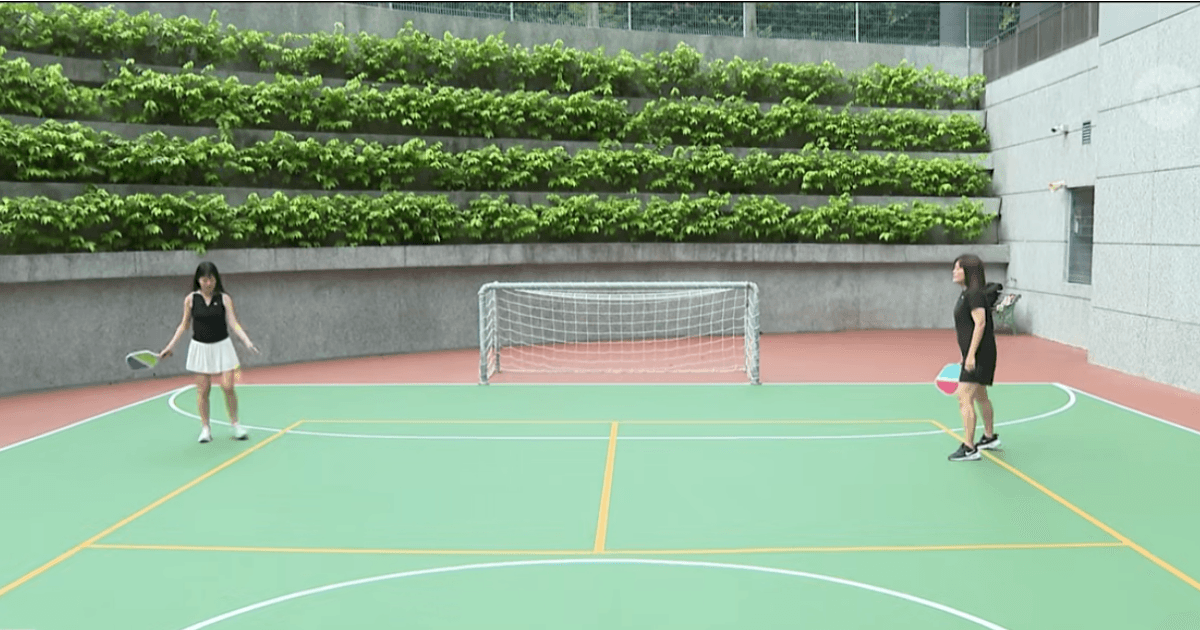
Pickleball makes prestige debut in China’s Olympic venues
China's Olympic venues gave pickleball a prestige test, drawing 4.8 million viewers in Hebi and 2,000 fans at the finale.
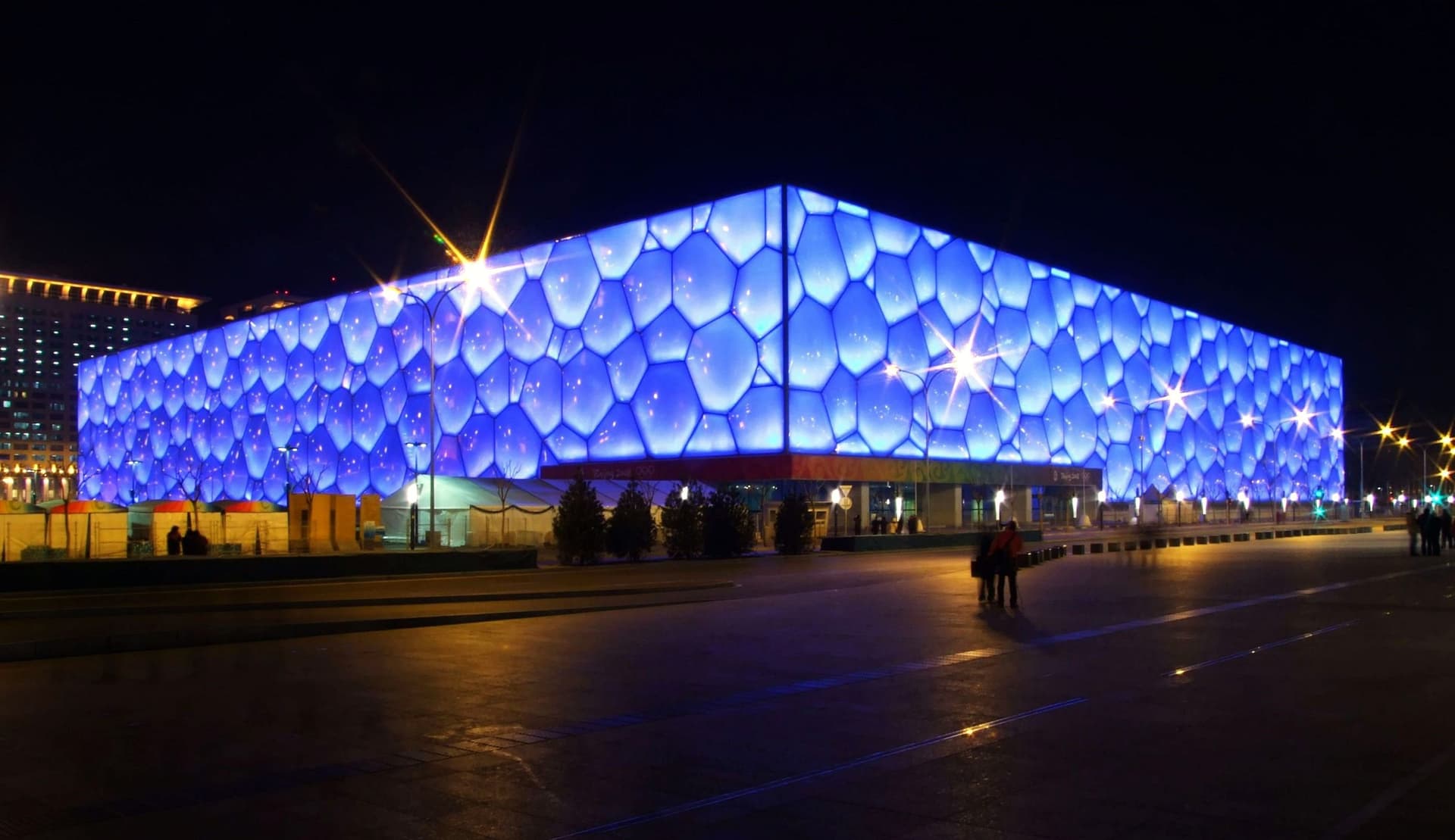
Pickleball's push for legitimacy in Asia got its clearest stage yet in China, where a three-stop exhibition run moved from a packed grand gymnasium in Dongyen to Beijing's Water Cube and then to Hebi's Olympic badminton arena. The World Pickleball Federation said roughly 900 spectators watched the opening stop, more than 2,000 attended the finale, and the broadcast drew 4.8 million viewers in its first hour.
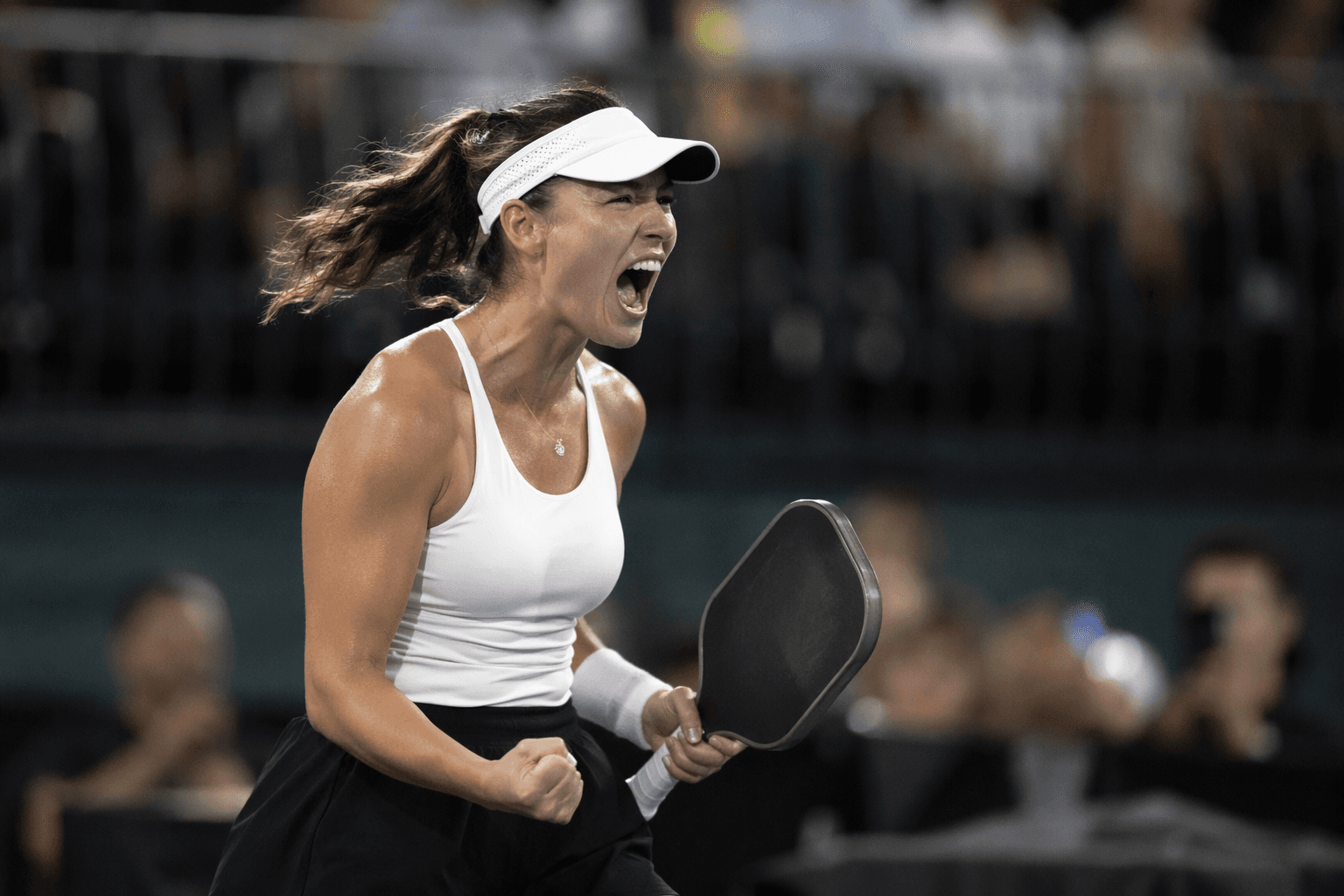
The player list gave the showcase international weight. Roos Van Reek, Ludovica Sciaky, Jai Grewal, Mike Newell, Emilia Schmidt and Ollie Gray were featured across the run, turning the exhibitions into a cross-border presentation rather than a local demo. That mattered in a sport still working to prove it can travel across Asian markets, because the event looked less like a novelty and more like a roster built for serious competition.
Beijing's Water Cube Arena sharpened that message. The Olympic swimming venue hosted an invitation-only exhibition aimed at government officials, dignitaries and invited guests, placing pickleball inside one of the most recognizable symbols of China's Olympic sporting identity. The final stop in Hebi carried the same logic. The arena there had previously been used for badminton, giving pickleball a setting that already carried memory, precision and elite-sport credibility.
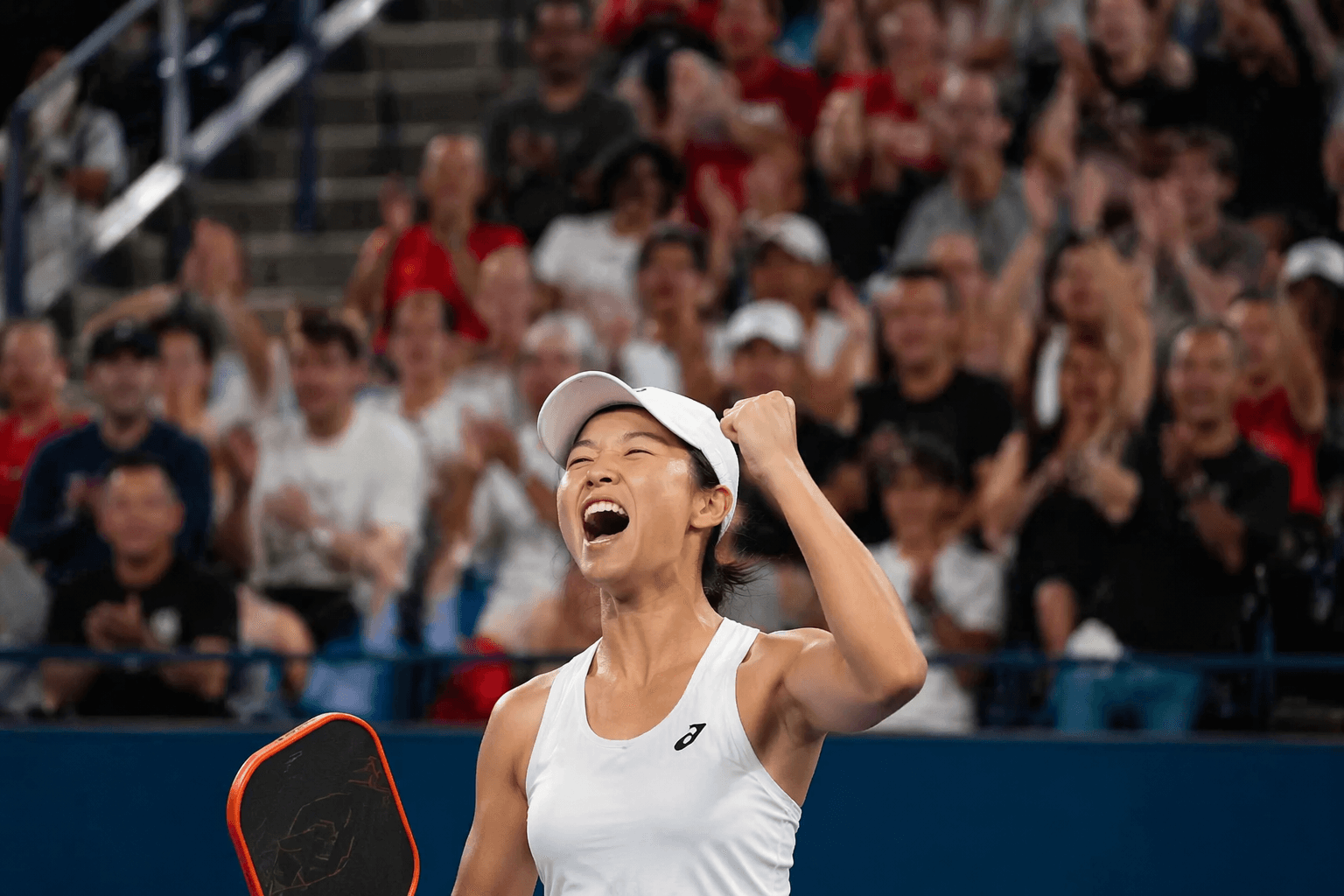
The federation also wrapped the exhibition in a wider operating network. It credited IPTPA, Joola, Pickleroll, Pickleball United, DUPR and HealthOrigin as sponsors and partners, a sign that the China showcase was built on more than staged matches. Coaching, equipment, ratings and promotion were all part of the package, the kind of scaffolding that helps an emerging sport move from one-off appearances to repeatable competition and player development.
For Asia, that was the real break. Pickleball did not simply appear in an Olympic venue; it occupied multiple prestige spaces, drew broadcast-scale attention and showed it could be presented with the scale and optics usually reserved for established sports. In a region where venue symbolism and official access can shape a sport's future, China gave pickleball a template for how to look ready before formal inclusion arrives.
This article was produced by Prism’s automated news system from verified source data, official records, and press releases, then run through automated quality and moderation checks before publishing. The system is built and supervised by the people who set the standards it runs under. Read our full AI policy.
Know something we missed? Have a correction or additional information?
Submit a Tip