RPM Pickleball launches in Philippines as sport’s popularity surges
James Ignatowich’s Manila stop turned RPM’s launch into proof that Philippine pickleball is now a serious retail and event market.
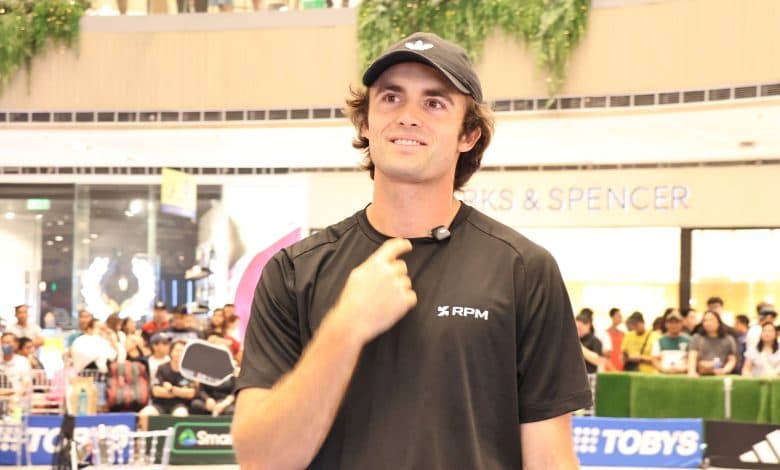
RPM Pickleball’s Philippine launch landed in a market that is no longer behaving like a sideshow. With co-founder and professional player James Ignatowich in Manila for the rollout, the brand entered the same weekend as the inaugural leg of the SM Pickleball SuperSeries at SM North EDSA, a clear sign that pickleball in the Philippines is now being built as a commercial arena, not just a casual pastime.
Ignatowich did more than cut a launch-day ribbon. He joined the April 11-12 event at The Block Atrium, spent time coaching local players on attacking and defensive patterns, and spoke as if Manila was already part of RPM’s long-term map. His message was simple: pickleball’s popularity in the Philippines is rising fast, and it still has room to climb. That matters because his presence gave the rollout a face people in the sport already recognize, and it tied a paddle launch to the realities of competition, coaching and fan interest on the ground.
The coaching piece may be the most revealing part of the story. Ignatowich said there are still not many strong coaches in the Philippines because the sport is so new, which points to the next bottleneck in Asian pickleball growth. Enthusiasm is not the problem anymore. Structure is. In markets like the Philippines, the winners will be the brands, clubs and organizers that can turn raw demand into better instruction, better events and more consistent player development.
RPM’s distribution setup shows how seriously the market is being treated. The brand is being handled locally by Quorum International Inc. and is available in select Toby’s Sports stores, moving pickleball equipment deeper into mainstream retail channels. That puts RPM into a market where mall-based events and sporting goods shelves are starting to reinforce each other, and where competition for players now includes both access and price. As more brands fight for visibility, local players should feel it first through more paddle choices, more coaching options and better event production.
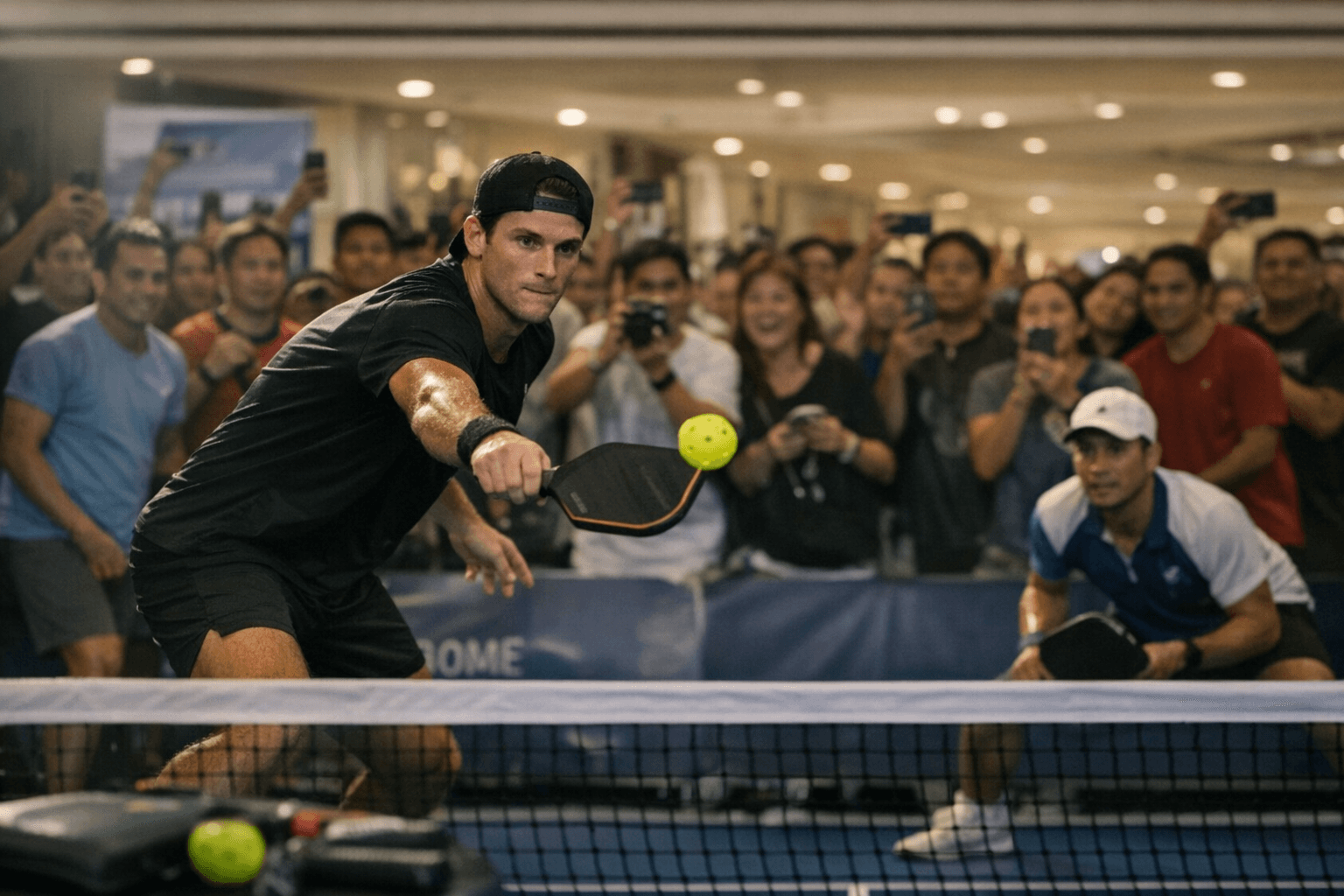
The timing also lines up with a broader push from SM Supermalls, which marked the first anniversary of its SM Active Hub with pickleball events on April 11-12. The SM Pickleball SuperSeries North EDSA leg was open to players aged 12 and above, used team entries of four to six players, and carried a 9,000 peso early-bird fee or 10,000 peso regular fee for the whole team. That is not an exhibition. It is a product.
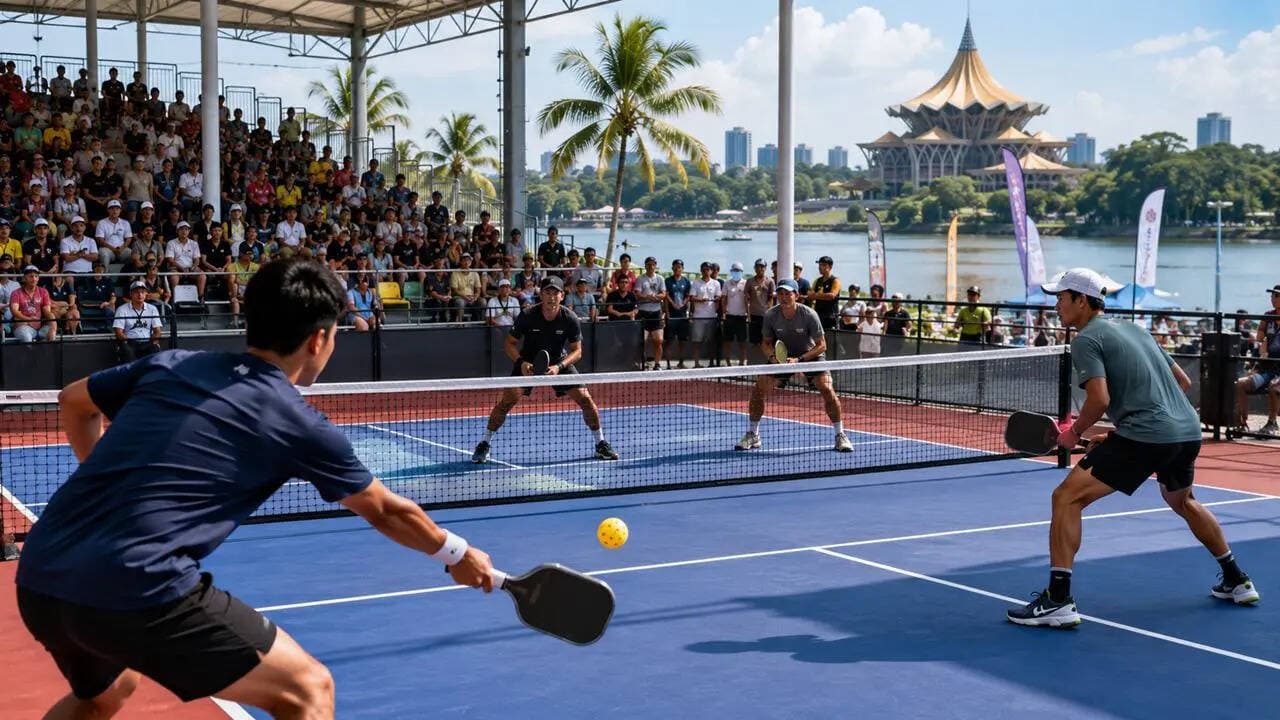
The Philippine Pickleball Federation has been building the same framework on the national side. Recognized by the Philippine Sports Commission and the Philippine Olympic Committee, it launched a participant registry for players, coaches and officials, and put its official national ranking system in place on January 1, 2026. On February 23, the federation said rankings would be based only on sanctioned tournaments and recognized international events using a 12-month rolling system. It also scheduled the 1st Philippine Pickleball Amateur Nationals in Las Piñas from March 28-30, with select winners set for the EPIC World Amateur Championships in Singapore from April 30 to May 3.
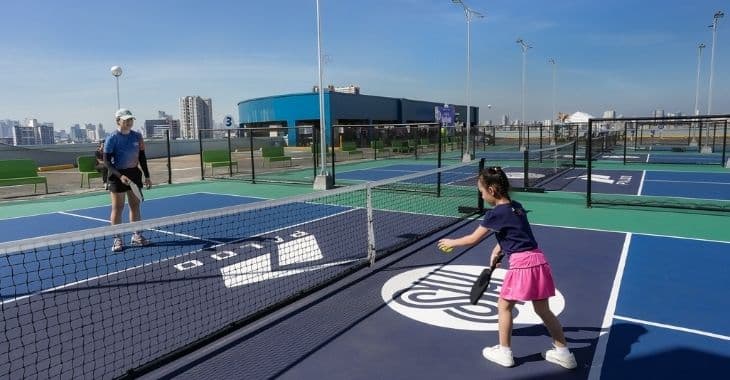
That structure helps explain why the Philippines keeps coming up in Asian pickleball conversations. The federation traces the sport’s arrival to a 2016 clinic in Cebu, says the first club formed in 2017, and reported growth from 13 clubs in 2021 to 123 clubs nationwide and more than 6,500 registered players by August 2024. RPM’s launch is the latest proof that this is now a real market, with enough scale to attract brands, enough organization to support rankings and nationals, and enough demand to force a race for the players themselves.
This article was produced by Prism’s automated news system from verified source data, official records, and press releases, then run through automated quality and moderation checks before publishing. The system is built and supervised by the people who set the standards it runs under. Read our full AI policy.
Did this article answer your question?