Seoul opens 14-court pickleball facility, turns park into community hub
Seoul turned Gwangnaru Hangang Park into a 14-court pickleball hub, with 500 participants, beginner lessons and finals showing real demand.
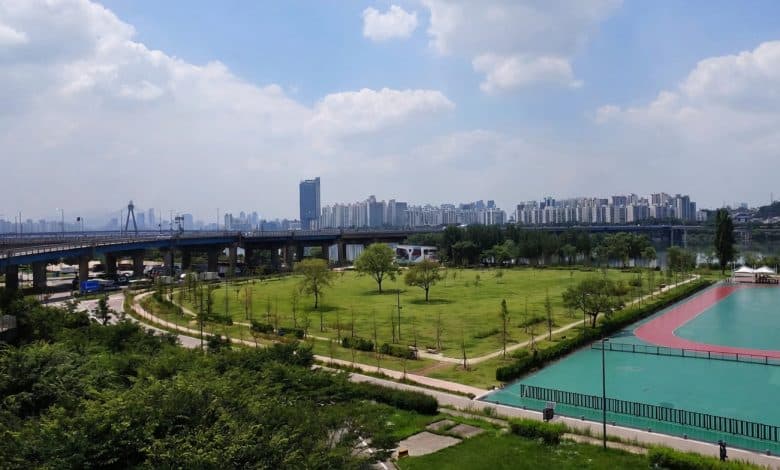
Seoul did more than cut a ribbon at Gwangnaru Hangang Park. It put 14 dedicated pickleball courts into a major public park and made a clear bet that the sport has moved past novelty in one of Asia’s biggest cities.
The site sits inside Mayor Oh Se-hoon’s Healthy City Seoul initiative, but the bigger story is practical: a previously underused outdoor pickleball space was repurposed into a purpose-built venue. That matters because the bottleneck for pickleball in Asia is no longer interest alone. It is court supply, and Seoul just added a serious block of it in a visible, centrally accessible place.
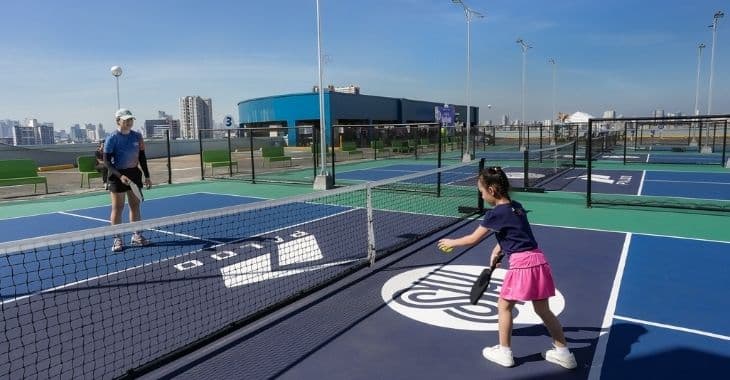
The opening weekend was built like a grassroots festival with a competitive edge. Organisers expected about 500 participants, and the schedule mixed a family tournament with beginner-friendly matches, guided lessons and open play sessions. For first-timers, the on-site story zone explained the sport’s origins and rules, while a hands-on equipment area gave players a chance to try paddles and balls before they ever stepped onto court.
That combination is the real test for a city trying to turn pickleball from a pop-up activity into a habit. Courts are one thing. Teaching new players how to use them is another. Seoul’s format acknowledged that reality by pairing tournament play with onboarding tools that lower the barrier for people who have never held a paddle or tracked a kitchen line.
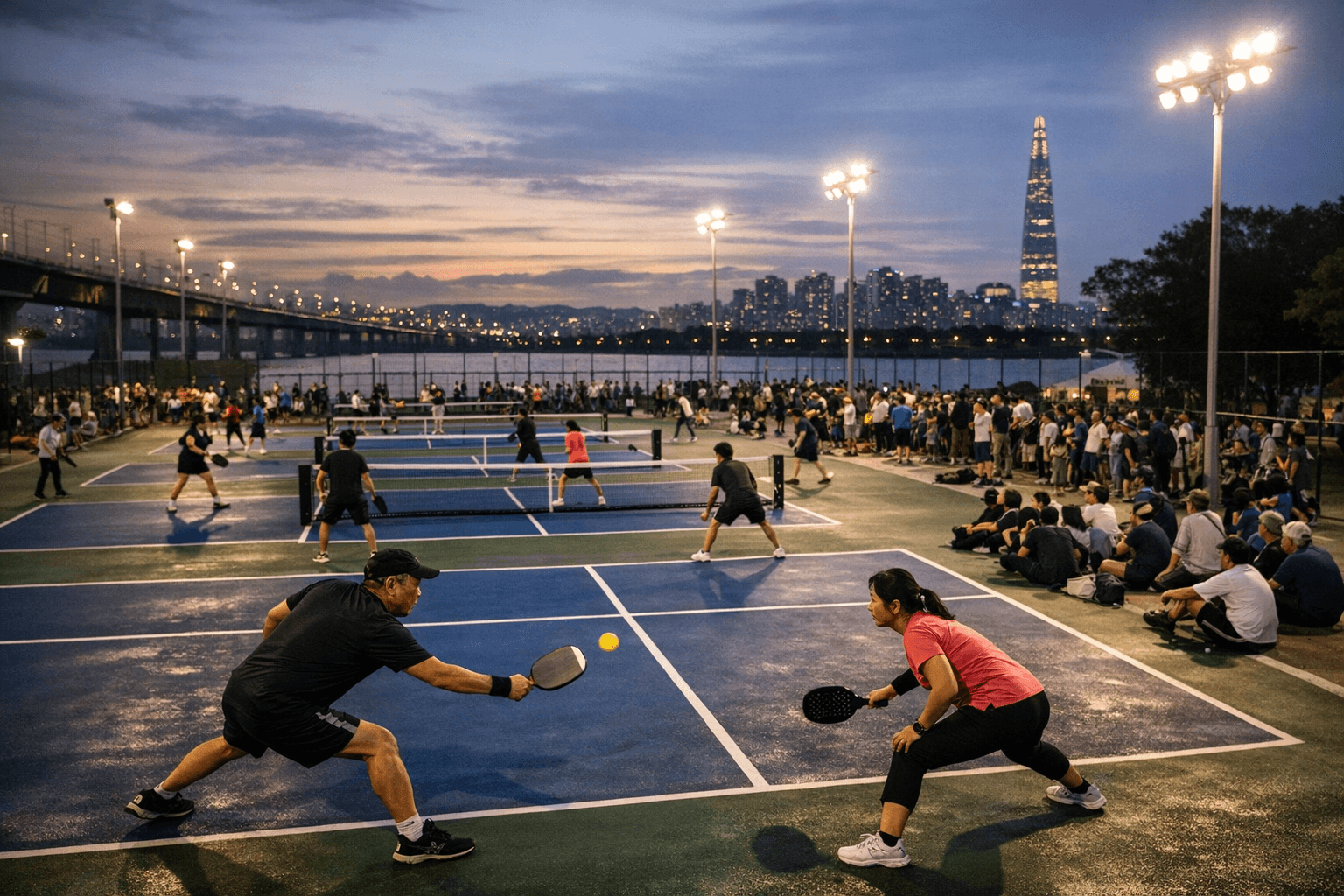
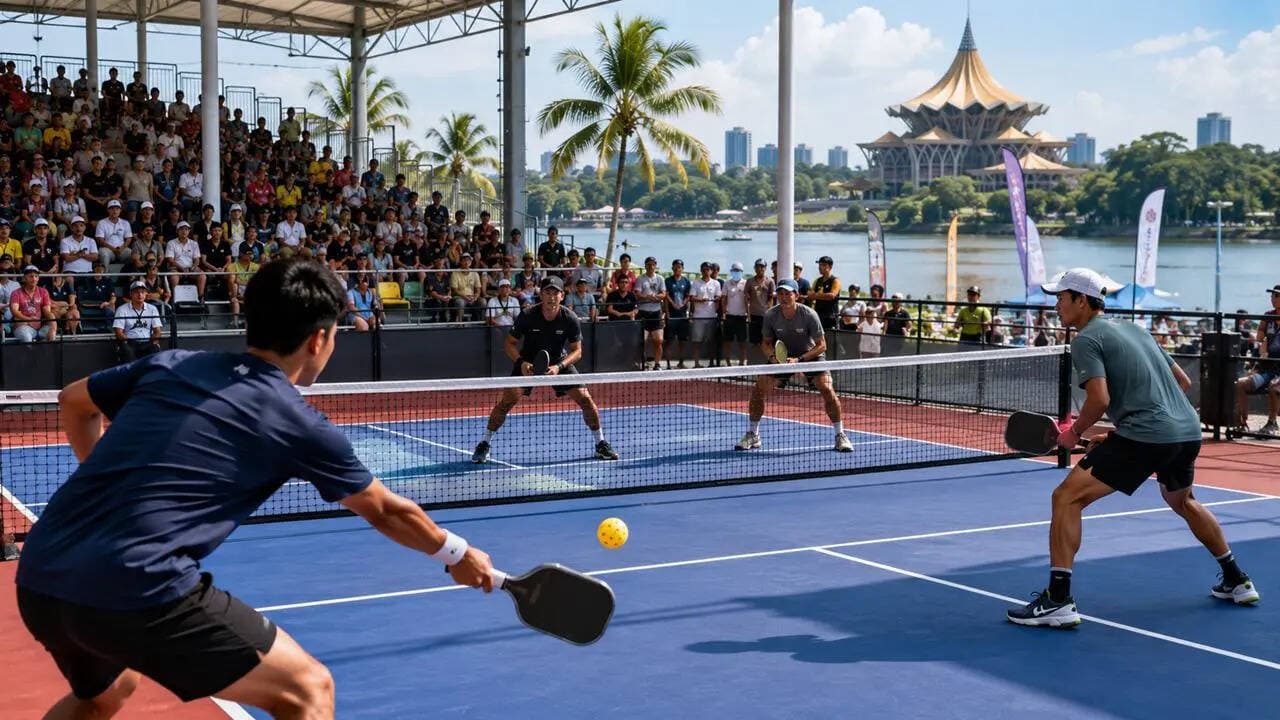
A formal opening ceremony was scheduled for 10 a.m. on March 29, followed by exhibition matches and finals later that day. It was not a pro-tour stop, and it was never meant to be. The significance lies elsewhere: South Korea now has a larger grassroots base and a more permanent home for a sport that has been spreading quickly across Asia without always getting the infrastructure it needs.
That is why Gwangnaru Hangang Park stands out. In a region crowded with one-off activations and temporary courts, Seoul’s 14-court venue looked less like a publicity moment and more like urban planning catching up with demand. If the courts stay busy after the opening weekend crowd leaves, this could become the template other Asian cities copy.
This article was produced by Prism’s automated news system from verified source data, official records, and press releases, then run through automated quality and moderation checks before publishing. The system is built and supervised by the people who set the standards it runs under. Read our full AI policy.
Did this article answer your question?