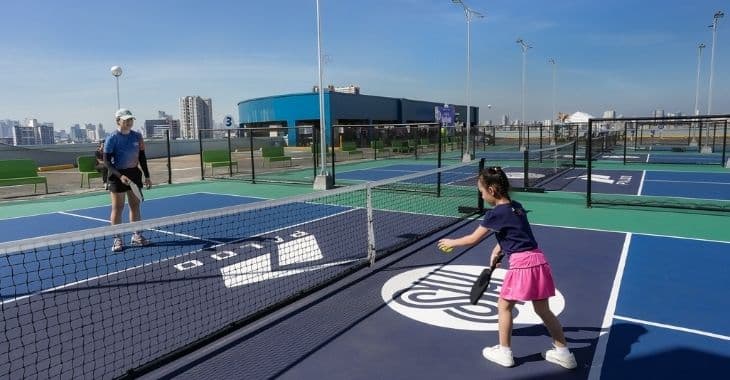
Survey-Based Claim of 16 Million Vietnamese Pickleball Players Widely Questioned
A regional survey claimed 16 million Vietnamese play pickleball, but experts and local authorities question the extrapolation and opaque methodology behind the figure.

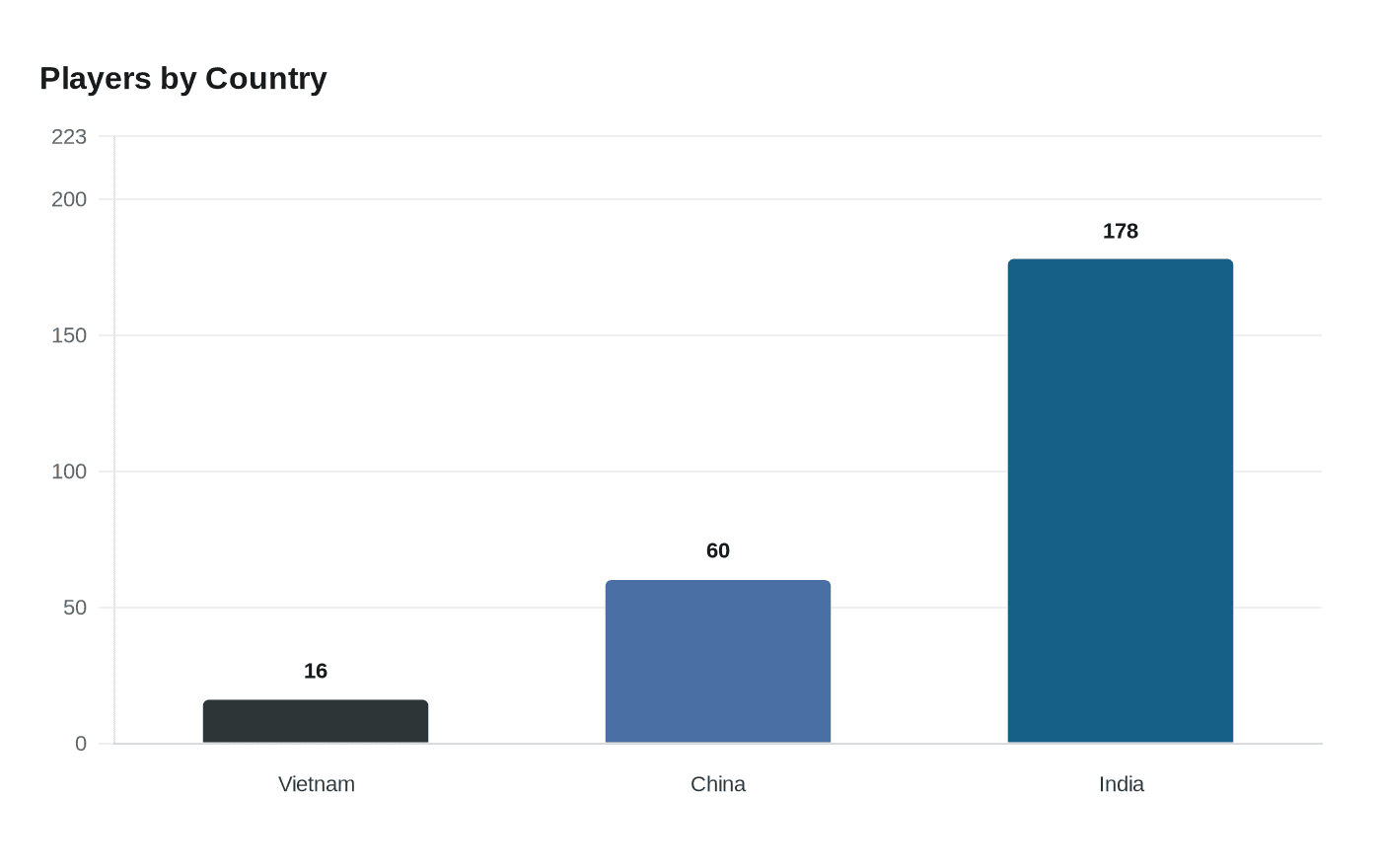
A widely circulated claim that 16 million Vietnamese play pickleball rests on a regional survey rather than official participation data, prompting skepticism across the sport’s Asian community. PPA Tour Pickleball Asia said the estimate came from UPA Asia, which polled about 14,000 people across 12 countries and surveyed roughly 1,000 respondents in Vietnam. UPA Asia reported that about 16 percent of Vietnamese respondents said they played at least once a month and then extrapolated that rate to Vietnam’s population of about 100 million to reach the 16 million figure.
The headline number has clear marketing power. UPA Asia applied the same extrapolation to estimate 60 million players in China and 178 million in India, figures that could reshape conversations around sponsorship, court construction, coaching programs, and event planning across the region. But the lack of disclosed sampling methodology has researchers and local organizers warning against treating the estimates as hard facts. UPA Asia did not say how respondents were selected, and academics note that survey results can be skewed by sampling bias if respondents are drawn from groups that do not represent the wider population.
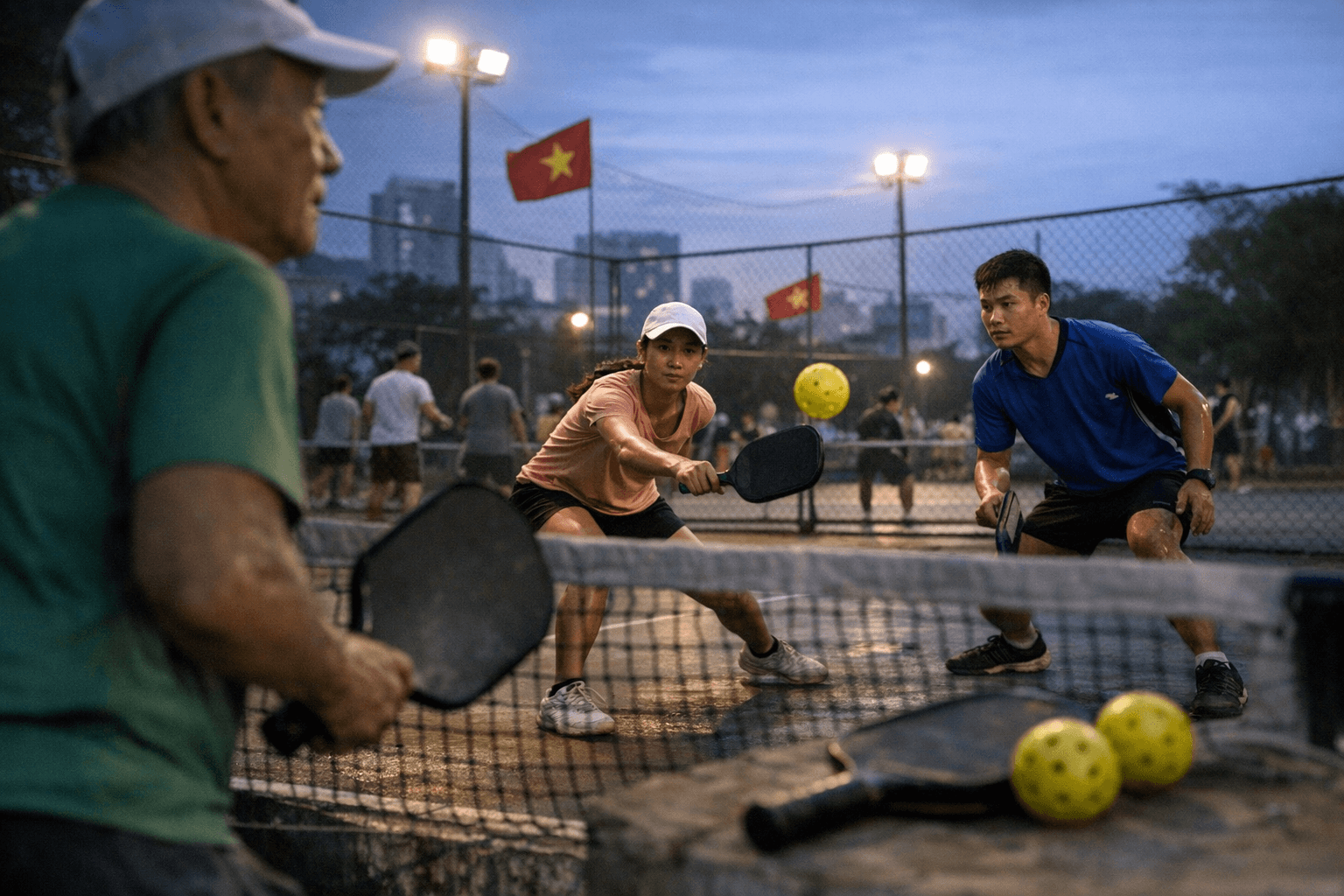
For players and tournament directors, the controversy is practical, not just semantic. Promoters such as PPA Tour Pickleball Asia, affiliated with the U.S.-based United Pickleball Association, may use participation estimates to negotiate venue deals, attract sponsors, or schedule regional circuits. If the underlying numbers overstate active players, organizers could overbuild court capacity or misprice tickets and grassroots programming. Conversely, even conservative growth trends suggest rising interest in cities where courts, coaching, and leagues are already filling up with dinks, third-shot drops, and kitchen battles.
Culturally, pickleball’s rise in Vietnam reflects a broader regional enthusiasm for low-barrier racket sports. The sport’s intergenerational appeal - quick rallies, small court footprint, and social play - fits urban lifestyles in Ho Chi Minh City and Hanoi where multi-use courts and community clubs are emerging. Yet without reliable baseline metrics from Vietnamese sports authorities or independent research organizations, policymakers and investors lack the evidence needed to ensure equitable access or to direct funds where they will produce the most impact.
The immediate takeaway for paddles, promoters, and policymakers is caution. Verify sources and demand transparent methodology before treating headline participation figures as a basis for major investments. Accurate measurements - whether through household surveys, national registration, or transparent polling protocols - will determine whether Vietnam’s pickleball scene is poised for a genuine boom or experiencing a hype-driven spike. For players, the debate matters because it will shape the next wave of courts, coaching jobs, and competitive opportunities across the country.
This article was produced by Prism’s automated news system from verified source data, official records, and press releases, then run through automated quality and moderation checks before publishing. The system is built and supervised by the people who set the standards it runs under. Read our full AI policy.
Did this article answer your question?