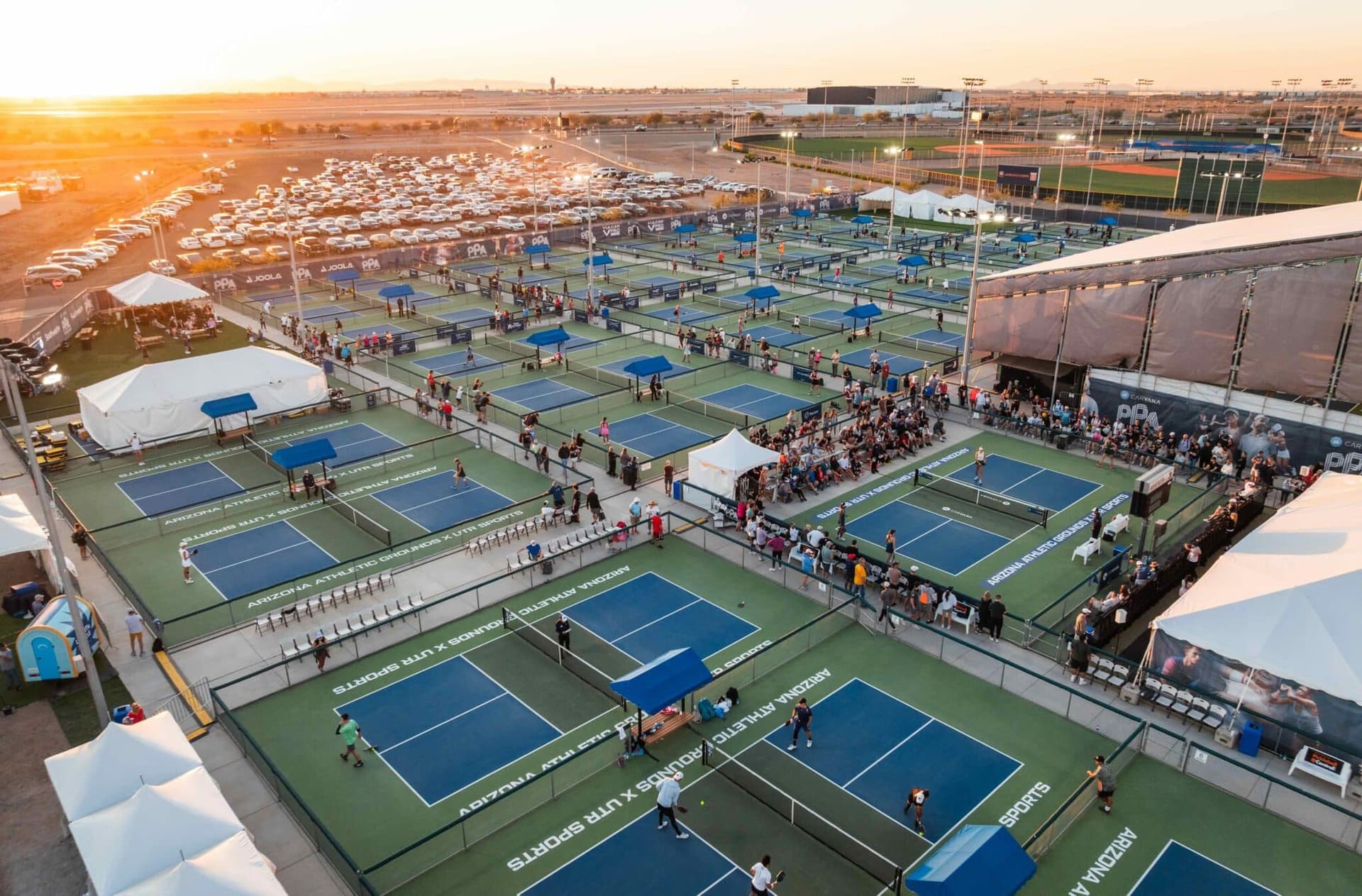
Tennis tops pickleball for cardio, but pickleball builds balance and reactions
Tennis delivers the harder cardio hit, but pickleball's real edge is balance, reactions and a faster path into the game. The catch: injuries are common in both.
The real trade-off
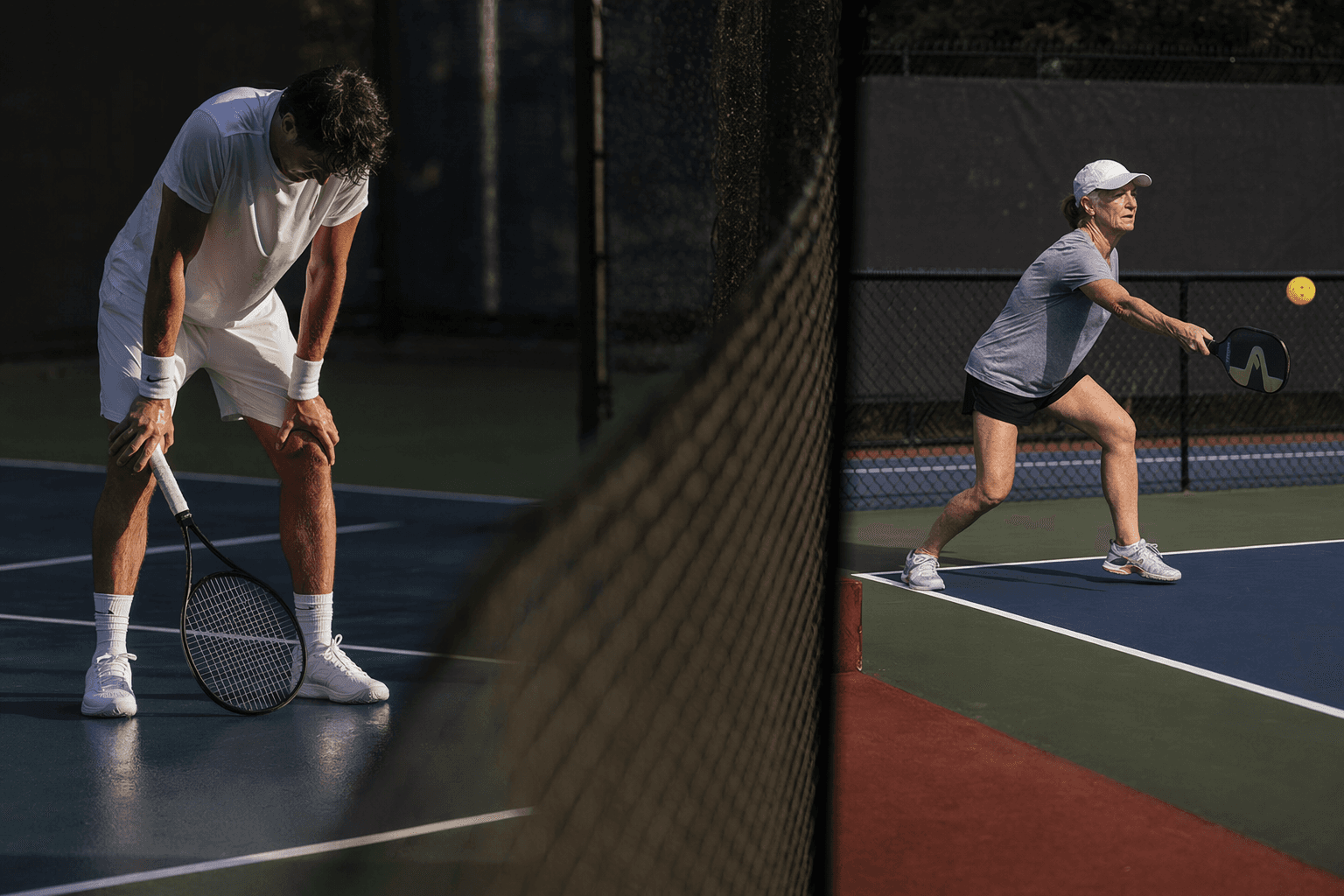
If your question is simple, the answer is too: tennis usually gives you the bigger cardio return, while pickleball gives you a different kind of fitness payoff, one built on balance, quick reactions and easier entry. That is the practical split that matters for a beginner in Manila, a weekend player in Singapore, or an older adult in Bangkok trying to stay active without overdoing it.
The surprise is not that tennis is harder. The surprise is how often pickleball gets treated like a gentle option when the injury numbers say otherwise. It is friendlier to start, but it is not a free pass.
Why tennis usually wins the cardio minute-for-minute
Apple’s Heart and Movement Study, a collaboration with Brigham and Women’s Hospital and the American Heart Association, uses Apple Watch and iPhone data from more than 200,000 participants in the United States to explore links between physical activity and heart health. In the comparison that matters here, a 250,000-workout dataset helps show why tennis tends to produce the bigger cardiovascular load.
The logic is straightforward. Tennis is played on a larger court, with longer coverage demands and more sustained movement over distance. That means higher heart rates, more running, and a more obvious cardio stress test than most pickleball rallies can deliver. If your main goal is to push conditioning, especially in a limited number of sessions each week, tennis usually gives more bang per minute.
That does not make pickleball soft. It just means the stress profile is different. Tennis asks for repeated sprinting, lateral coverage and longer rallies. Pickleball compresses the court and shifts the challenge toward quick changes at the kitchen line, faster hand battles and constant readiness.
Why pickleball still earns its place
Pickleball’s value is not that it beats tennis at tennis. Its value is that it creates a useful fitness stimulus for a wider range of players, especially those who want a sport they can learn quickly and return to often. In Asia, that matters because the game is growing with people who are drawn to accessibility, social play and lower barriers to entry.
The Asia numbers are no longer small enough to ignore. UPA Asia and YouGov Singapore released research in June 2025 covering more than 14,000 respondents across 12 Asian markets: China, India, Indonesia, Japan, Malaysia, the Philippines, Singapore, South Korea, Chinese Taipei, Hong Kong, Thailand and Vietnam. One report based on that survey said 1.9 billion people in Asia are aware of pickleball, 812 million have played at least once, and 282 million play at least monthly.
Those numbers help explain why pickleball is becoming more than a novelty. It is turning into a regional participation sport with real training value for people who might not otherwise stick with tennis. For many new players, the draw is not elite conditioning. It is a sport that gets them moving, reacting and competing without needing months of technical rebuilding.
The injury picture no one should ignore
Here is the part that should make every player think twice before calling pickleball harmless. A 2025 Saint Louis University study found that 69% of surveyed pickleball players reported at least one injury in the previous 12 months. About two in five had an injury that stopped them from playing for at least a day, and about one in three kept playing despite pain.
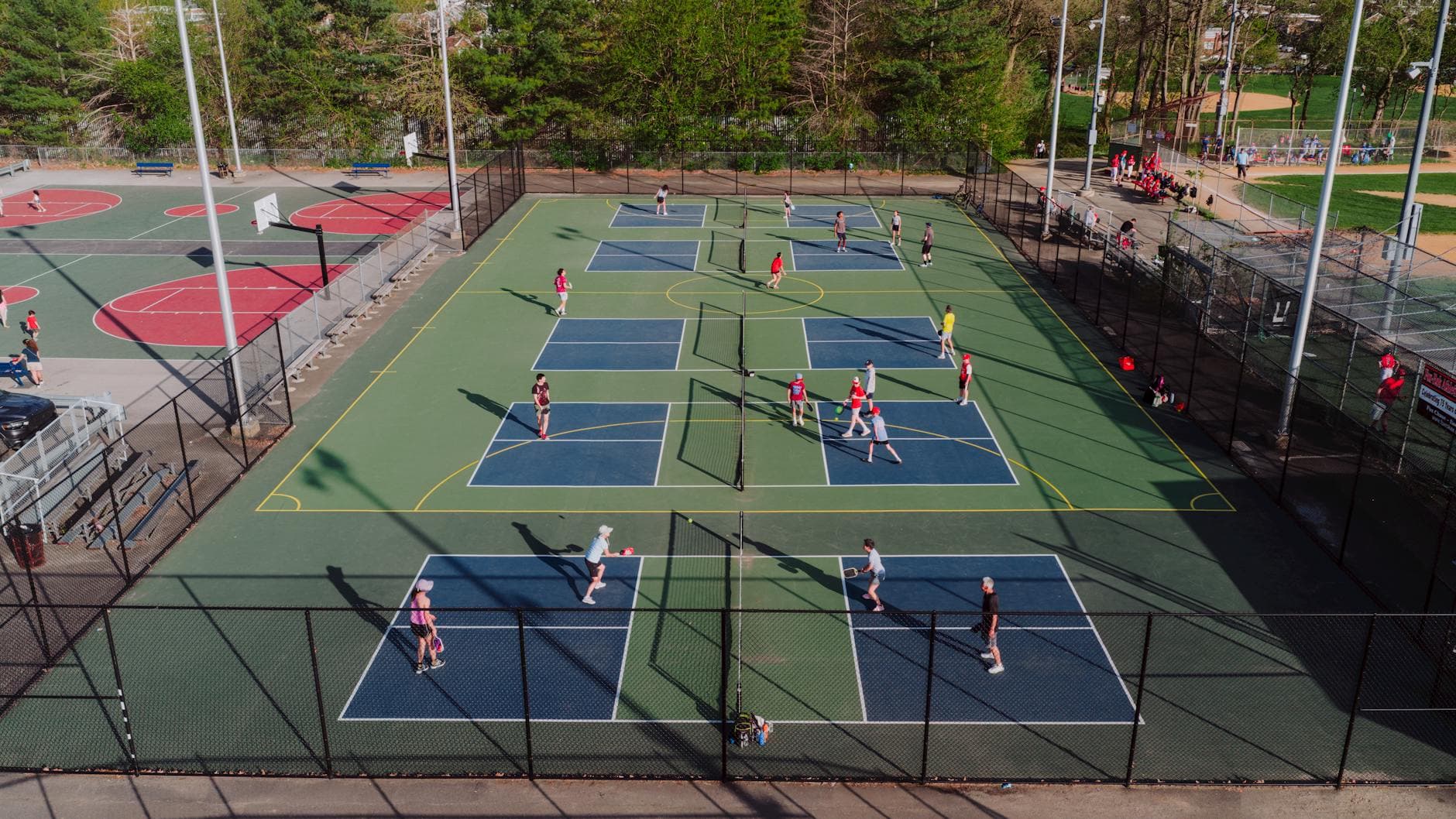
The risk profile is also different from tennis. Tennis injuries tend to show up in the upper body, including tennis elbow and shoulder trouble. Pickleball injuries more often hit the lower body, especially the knees, ankles and Achilles tendons. That fits the way people move in the sport: short bursts, quick stops, sudden pivots and a lot of action close to the net.
The Saint Louis University study also found that male sex, higher weekly play frequency, fewer than five years of play experience, and low or moderate concern about injury prevention were significant predictors of injury. In other words, the players who stack up volume quickly and assume the sport is easy are the ones most likely to get caught out.
What the Asia boom changes
The growth story is no longer just about participation. It is about infrastructure, access and friction. The Straits Times reported Bonafide Research projected Asia-Pacific pickleball growth above 24.5% CAGR from 2024 to 2029, which signals a sport moving from casual curiosity to mainstream demand. That kind of growth creates pressure on court supply, coaching and scheduling.
Singapore is already a warning sign. CNA reported in September 2025 that the pickleball boom there was leading to court-booking pressure and noise complaints. That is the real-world cost of rapid adoption: more players, fewer open hours and more competition over where the game belongs in dense urban neighborhoods.
For clubs and organizers, the lesson is simple. Growth is not just a registration problem. It is a space problem, a noise problem and a programming problem. The faster the game spreads, the more careful communities have to be about court placement, session timing and mixed-age programming.
How to choose the right court for your body
The best choice is the one that matches your goal, your age and your injury history. If you want the harder cardio workout and can tolerate more running, tennis is the cleaner bet. If you want faster access to game play, more balance and reaction work, and a sport that is easier to pick up, pickleball makes more sense.
A few practical rules stand out:
- If your main goal is conditioning, lean tennis.
- If your goal is coordination, balance and social consistency, lean pickleball.
- If you are older or returning after time away, warm up first and build intensity gradually.
- If you are new to pickleball, strengthen your tendons before chasing every dink at the kitchen line.
- If you play often, treat injury prevention as part of the sport, not an afterthought.
That last point matters because the injury study shows how quickly pain can become part of routine play. Pickleball may be easier to enter than tennis, but the body still pays a price when players sprint into volume without preparation.
The real takeaway is not that one sport is better in every sense. It is that tennis and pickleball reward different bodies in different ways. Tennis gives the bigger cardio hit; pickleball gives many players a more accessible route into movement, reactions and balance. In Asia, where the game is exploding across big and small markets alike, that distinction is shaping who plays, how they train and how long they can stay on court.
This article was produced by Prism’s automated news system from verified source data, official records, and press releases, then run through automated quality and moderation checks before publishing. The system is built and supervised by the people who set the standards it runs under. Read our full AI policy.
Did this article answer your question?