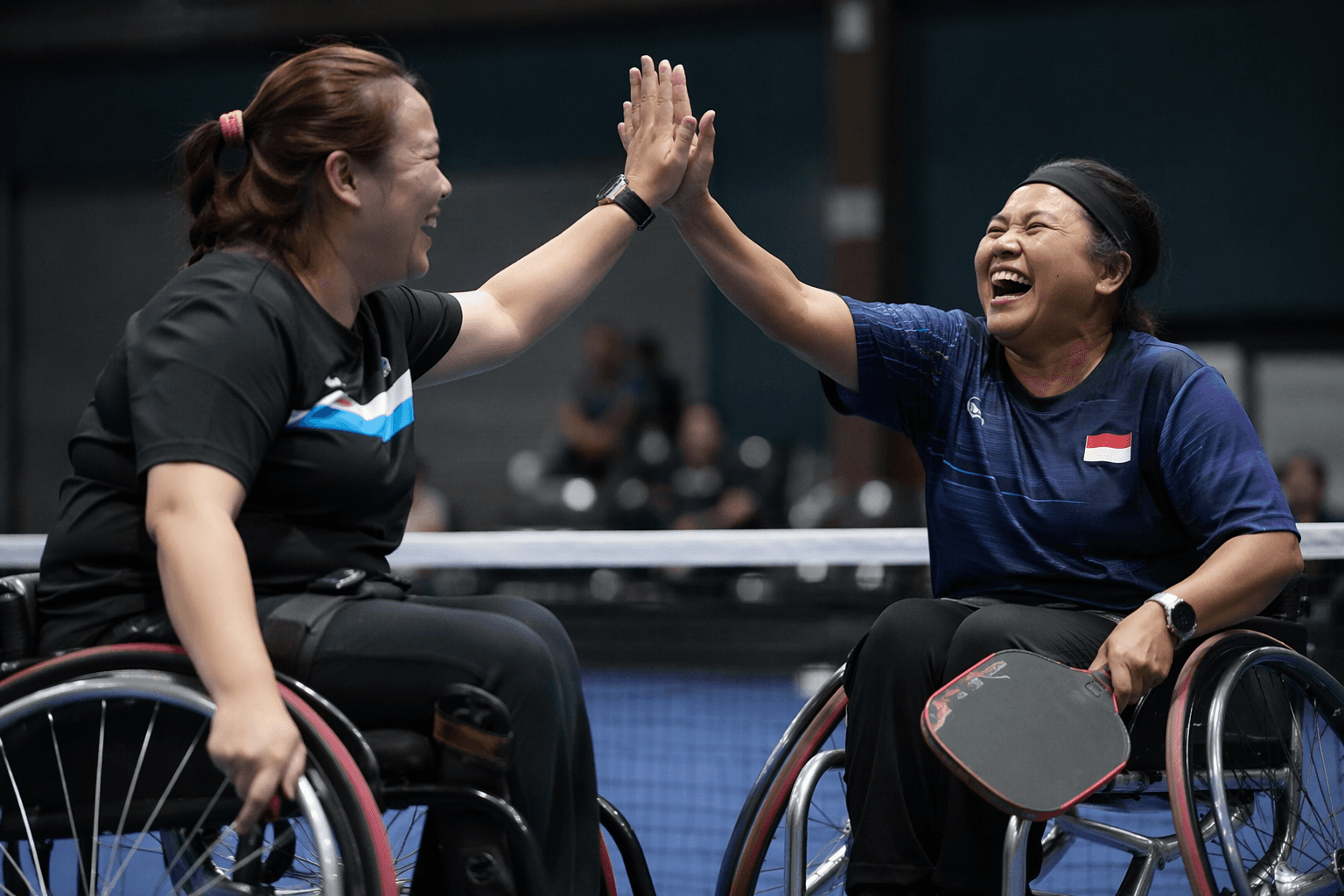
Thailand anchors para pickleball's ranking push, Kuala Lumpur next milestone
Thailand now anchors para pickleball’s Asian ladder, with Kuala Lumpur set for 2028 and South Korea exposing how far the sport still must go at home.
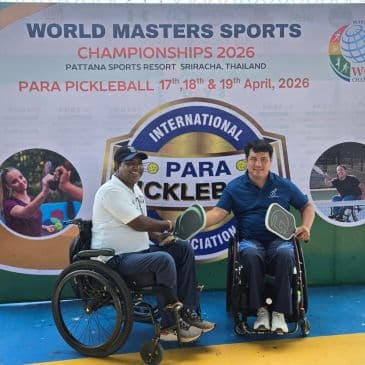
Thailand has become more than a host country in para pickleball’s Asian push. The International Para Pickleball Association has planted its headquarters in Sriracha, is building a world ranking system, and has put Kuala Lumpur on the calendar as the destination for its inaugural World Championships from June 10 to 15, 2028. For athletes trying to turn a promising niche into a real career, that combination matters because it signals permanence: a base, a rankings structure, and a championship path.
Thailand as the administrative anchor
The most important development is not a single event, but the fact that IPPA is laying down governance. Its classification system is built around how an impairment affects on-court performance, not medical diagnosis, which is the kind of rulemaking that separates a serious para sport from a one-off exhibition. IPPA also breaks competition into wheelchair, standing, dwarf, and ID/CP divisions, giving players a clearer route into fair competition instead of forcing everyone into a catch-all bracket.
That structure is already visible on the ranking side. IPPA shows separate ranking pages for men’s singles, women’s singles, and men’s doubles, which is a strong sign that the sport is moving toward a formal ladder rather than waiting for one major event to define it. The organization is also working toward recognition from World Abilitysport and the International Paralympic Committee, a step that would matter far beyond branding because recognition often shapes whether federations, tournaments, and national bodies treat a sport as part of their long-term planning.
Kuala Lumpur gives the project a deadline
Kuala Lumpur is the next milestone because it gives the pathway a date and a destination. IPPA says its first World Championships will be staged in Malaysia in 2028, and it is inviting players from Asia, Africa, the Americas, Europe, and Oceania, so the event is being framed as a global launch point rather than a regional showcase. That matters for Asia because the continent is no longer just watching the sport spread elsewhere; it is becoming part of the infrastructure that defines where it goes next.
IPPA’s Asia pages add another layer of context by pointing to an Asian Para Pickleball Championships in Bangkok. That detail is important because it suggests the pathway is not supposed to end with one marquee world event in Malaysia. Instead, the sport is trying to build a continental ladder with Bangkok as a reference point, Sriracha as the administrative base, and Kuala Lumpur as the first major world-stage checkpoint.
South Korea shows the gap that still needs filling
The clearest sign of unmet demand comes from Kim Sangmok and Yun Jongo, two wheelchair players from South Korea who traveled to San Diego’s Barnes Tennis Center for the 2025 USA Pickleball National Championships. Sangmok said there are no wheelchair pickleball tournaments in Korea, which turns the trip into more than a competition story. It is evidence that some Asian athletes already have the skill and motivation to compete, but not yet the domestic schedule to do it at home.
Their trip also shows how quickly a sport can become international before it becomes local. USA Pickleball said close to 2,400 players competed across 287 divisions at the 2025 National Championships, and Sangmok and Jongo entered singles, mixed doubles, and hybrid doubles before finishing fifth in mixed doubles. They also traveled with family and friends, a reminder that access in para sport is rarely only about the athlete. It is about support systems, travel costs, and the ability to keep showing up when the nearest competition is thousands of miles away.
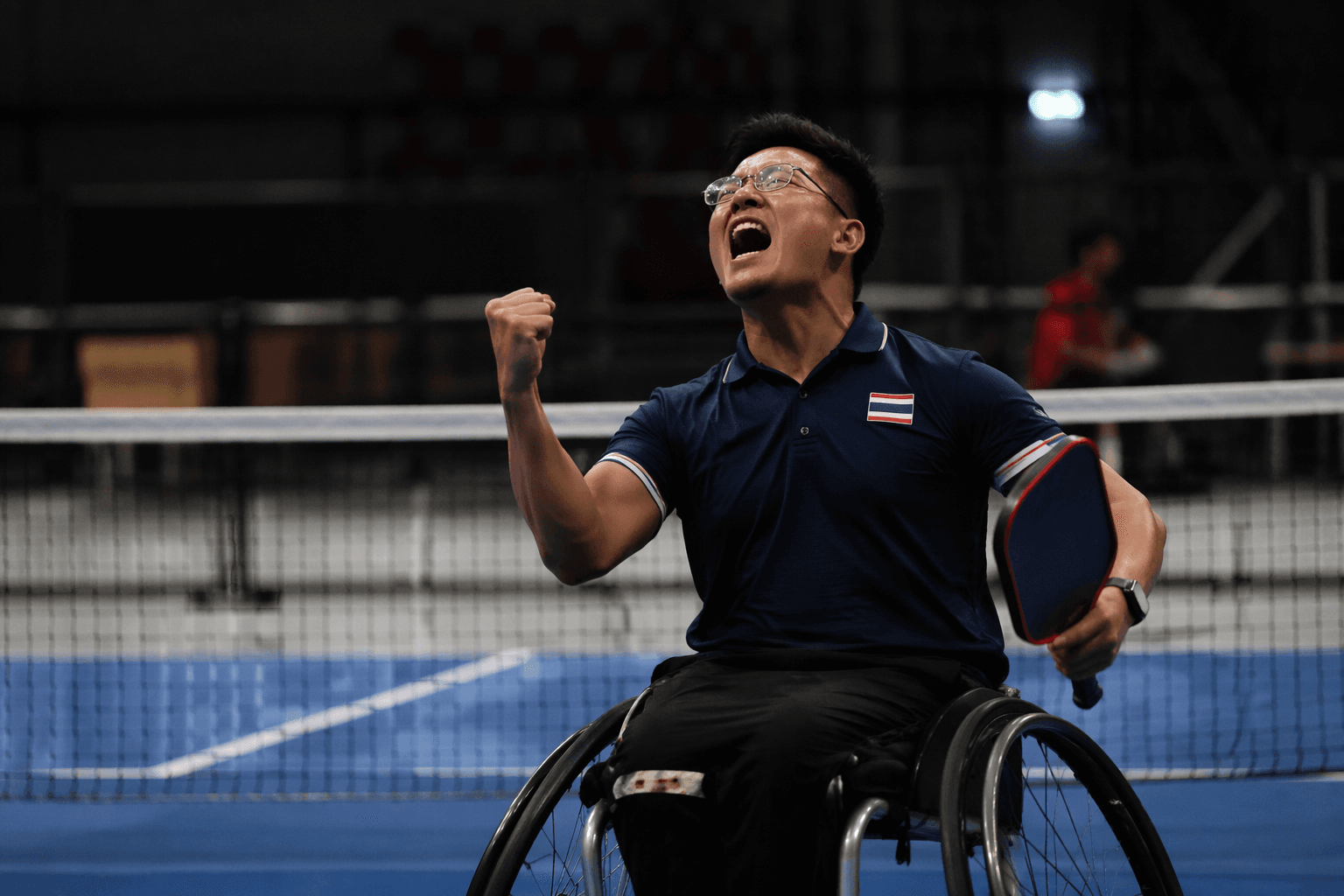
Sangmok also said he had seen U.S. wheelchair pickleball players on Instagram, which is a small but revealing detail. The sport’s growth is happening through digital networks as well as through federations and tournaments, and that is often how emerging communities in Asia connect before formal structures arrive.
The rules, ratings, and events that make a career possible
Para pickleball only becomes a true competitive pathway when the rules are clear enough for players to plan around them. USA Pickleball’s wheelchair rules treat the wheelchair as part of the player’s body and give wheelchair players a two-bounce allowance. They can compete in any tournament event except adaptive standing-only events, including against or alongside standing players, which helps explain how inclusive play can still remain competitive and fair.
The event pipeline is widening too. In 2024, the PPA Tour held its first wheelchair doubles event at the Lapiplasty Pickleball World Championships, where 10 players competed in a round robin format. That was a visible sign that high-profile pro tours are no longer treating adaptive divisions as an afterthought. A few months later, on February 27, 2026, DUPR announced plans to develop a dedicated wheelchair pickleball rating system, pushing the sport further toward the same kind of measurable ladder that mainstream players already use.
USA Pickleball is also trying to build the kind of national framework that Asia still lacks in many places. The group says adaptive pickleball is growing fast and that it is committed to a national network of inclusive, accessible programs. In May 2026, it announced a partnership with Numotion to advance wheelchair pickleball nationwide, and the 2026 Oceanview USA Pickleball National Championships are scheduled for October 31 to November 8 in San Diego at Barnes Tennis Center, with Numotion serving as presenting partner of all wheelchair divisions. That kind of event-and-commercial support is exactly what turns a promising category into a durable one.
Why recognition matters now
World Abilitysport is part of the reason recognition has real weight. The organization was formed through the merger of IWAS and CPISRA, and it says it supports new countries building athlete programs through expertise and guidance. For para pickleball, that kind of backing could help move Asian programs from isolated travel squads to national systems with coaching, classification, rankings, and regular tournament access.
That is the real test ahead for Thailand and South Korea. If Thailand’s institutional base keeps growing and Kuala Lumpur lands as the sport’s first world-championship landmark, para pickleball in Asia can become a pathway with structure and staying power. If not, it risks staying what it is in too many places now: a sport players have to leave home to find.
This article was produced by Prism’s automated news system from verified source data, official records, and press releases, then run through automated quality and moderation checks before publishing. The system is built and supervised by the people who set the standards it runs under. Read our full AI policy.
Did this article answer your question?