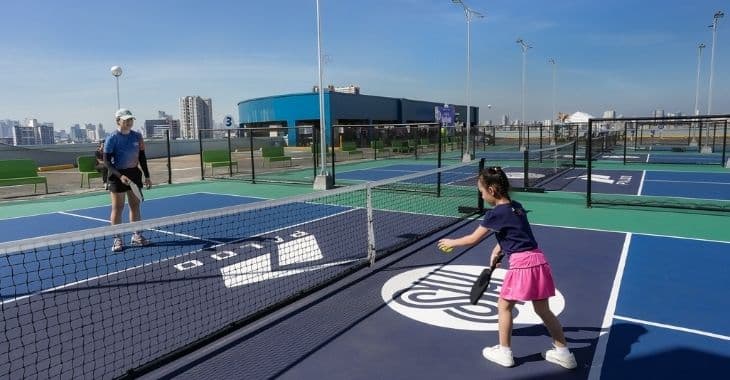
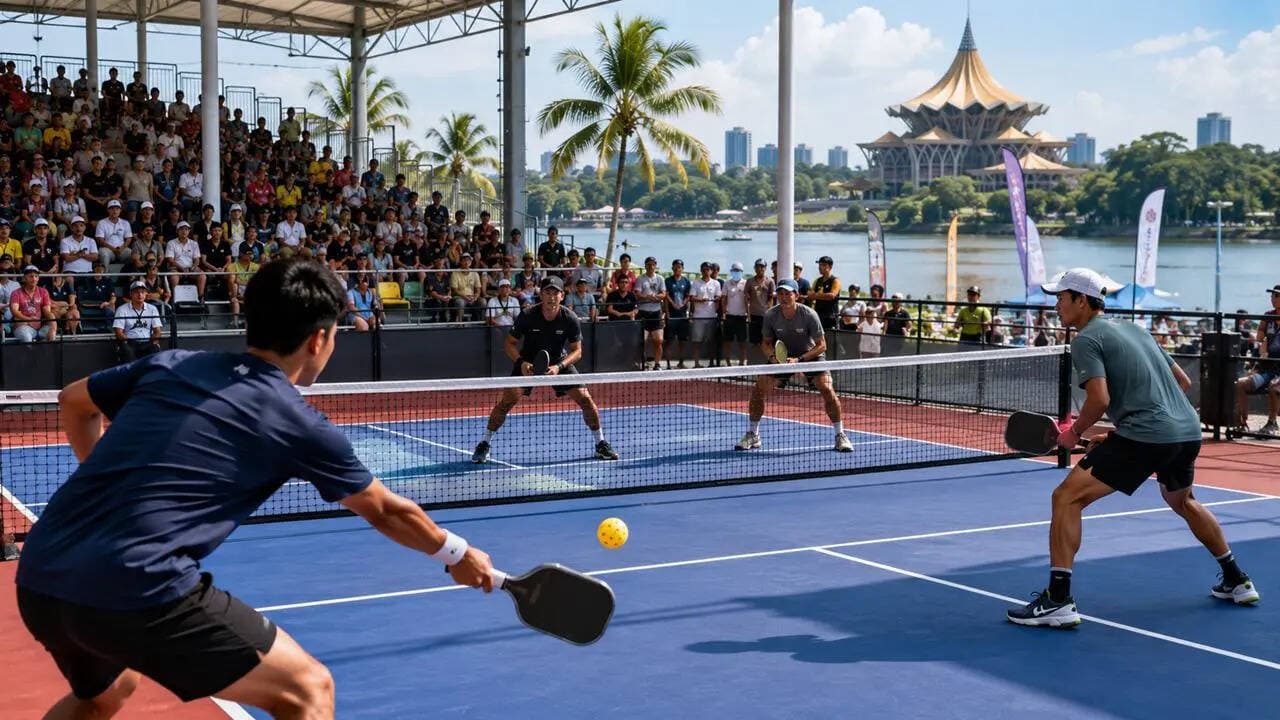
Vietnam’s Pickleball Boom Sparks Noise Complaints and Urban Tensions
Rapid growth of pickleball in Vietnam has generated widespread noise complaints and neighborhood friction in dense cities, with residents citing the sport’s high‑pitched "pop‑pop" sound and late‑night play as disruptions to sleep, study and work. Local authorities are receiving complaints, fielding health warnings from doctors and state media, and weighing measures such as playing-hour limits or court relocation to balance community livability with the sport’s accessibility.
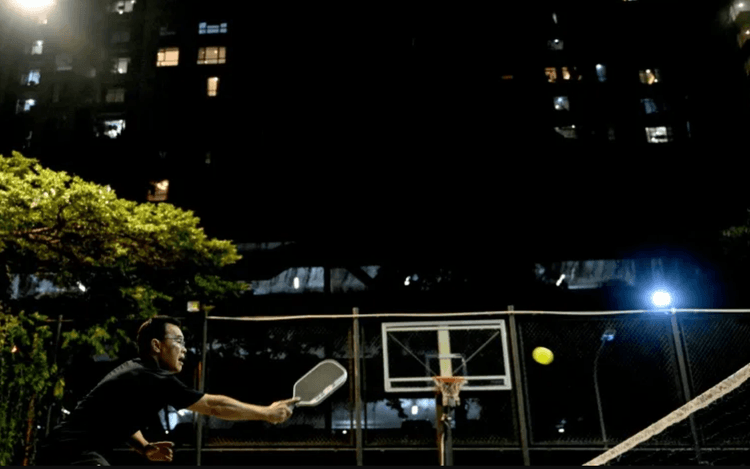
In late December 2025, Vietnam’s fast‑expanding pickleball scene became a flashpoint in urban neighborhoods as residents in Hanoi and Ho Chi Minh City reported repeated disturbances tied to the sport. The signature high‑pitched "pop‑pop" produced when plastic balls strike paddles and court surfaces has been blamed for disrupting sleep and daily routines, with some games reportedly running from early morning into late night.
Local complaint records on the iHanoi app showed clusters of reports linked to multi‑court venues, where players, spectators and coaches routinely gather. The rapid construction of courts has been most visible in areas such as Hanoi’s Long Bien district, where explosive court growth has intensified crowding and parking congestion around sports complexes and community spaces. Residents say the combined effect of continuous play, vehicle traffic and evening matches has strained already tight urban neighborhoods.
State media and medical professionals have flagged the problem as more than an annoyance. Commentaries and health statements have warned about the impact of chronic noise and sleep disruption on physical and mental well‑being, with some commentators describing the recurring paddlesounds as an "acoustic hazard." Those warnings have pushed municipal leaders to take a closer look at how to manage demand for new courts while protecting neighborhood livability.
Pickleball players and coaches point to the sport’s accessibility, low barrier to entry and social benefits, noting it has opened new opportunities for exercise and community building across age groups. Figures from regional organizations such as DUPR and PPA Asia place Vietnam among the fastest‑growing Asian pickleball markets, a dynamic that helps explain both the sport’s popularity and the sudden pressure on urban public space management.
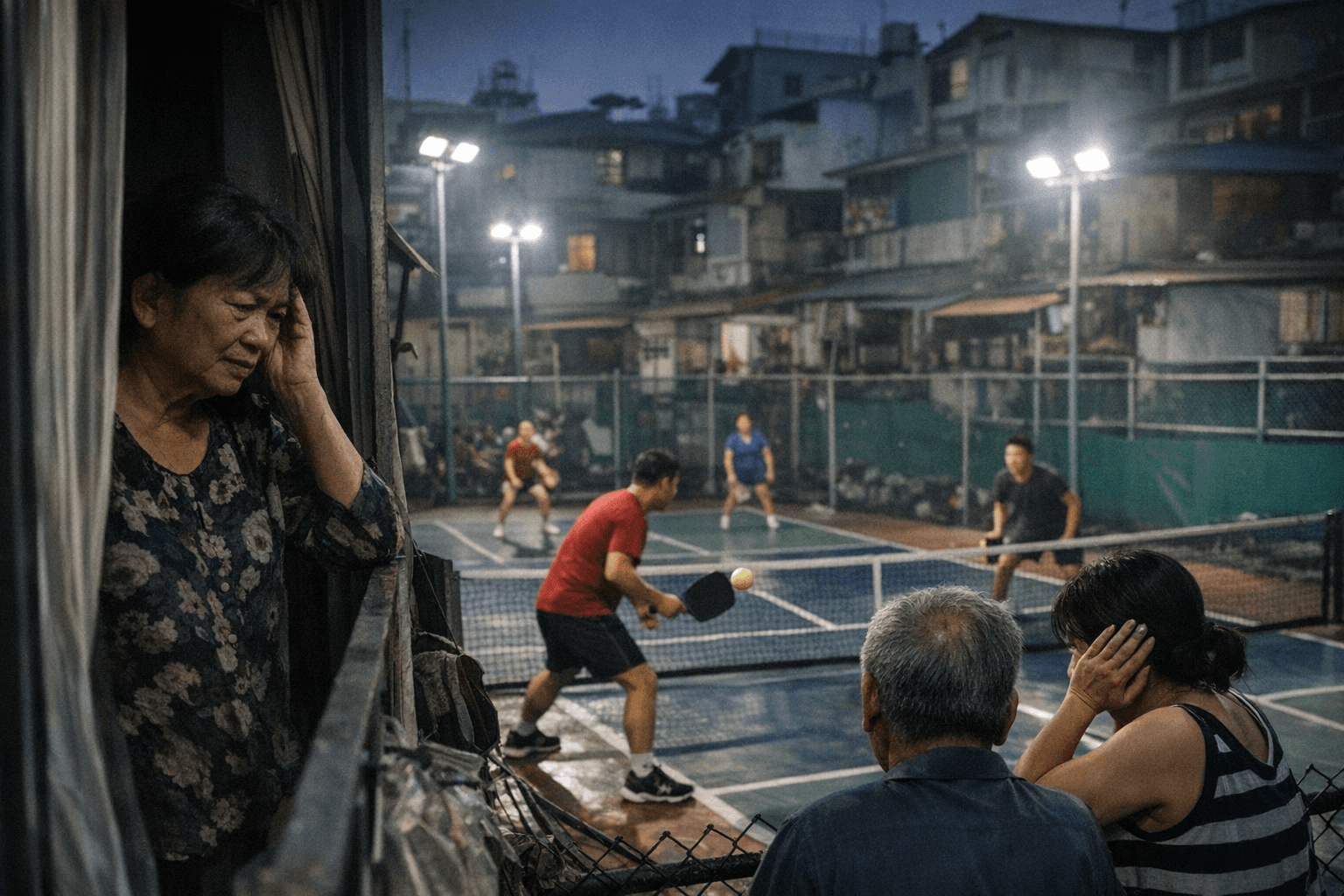
Local governments are increasingly fielding complaints and exploring practical responses. Proposed measures include limiting playing hours, relocating noisy courts away from dense residential blocks, and implementing scheduling rules for evening use. These options reflect a classic urban growth conflict: a surging recreational demand colliding with residents’ expectations of quiet, safety and access to public space.
For players, venue operators and neighbors, the path forward will depend on practical compromises and clearer local rules. Check local court schedules and municipal notices, respect proposed curfews, and support dialogue between venues and communities to reduce conflicts. Thoughtful planning, including off‑peak scheduling, designated parking, and siting courts in less residential areas, can help preserve pickleball’s social benefits while restoring neighborhood livability.
This article was produced by Prism’s automated news system from verified source data, official records, and press releases, then run through automated quality and moderation checks before publishing. The system is built and supervised by the people who set the standards it runs under. Read our full AI policy.
Did this article answer your question?