Weekend Warriors Drive Spike in Pickleball Injuries, Singapore Councils Limit Court Time
Clinics report a surge in pickleball injuries as councils limit community court time to manage weekend crowds.

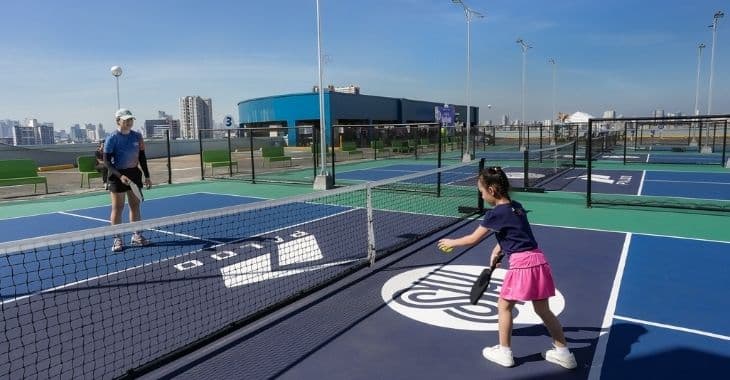
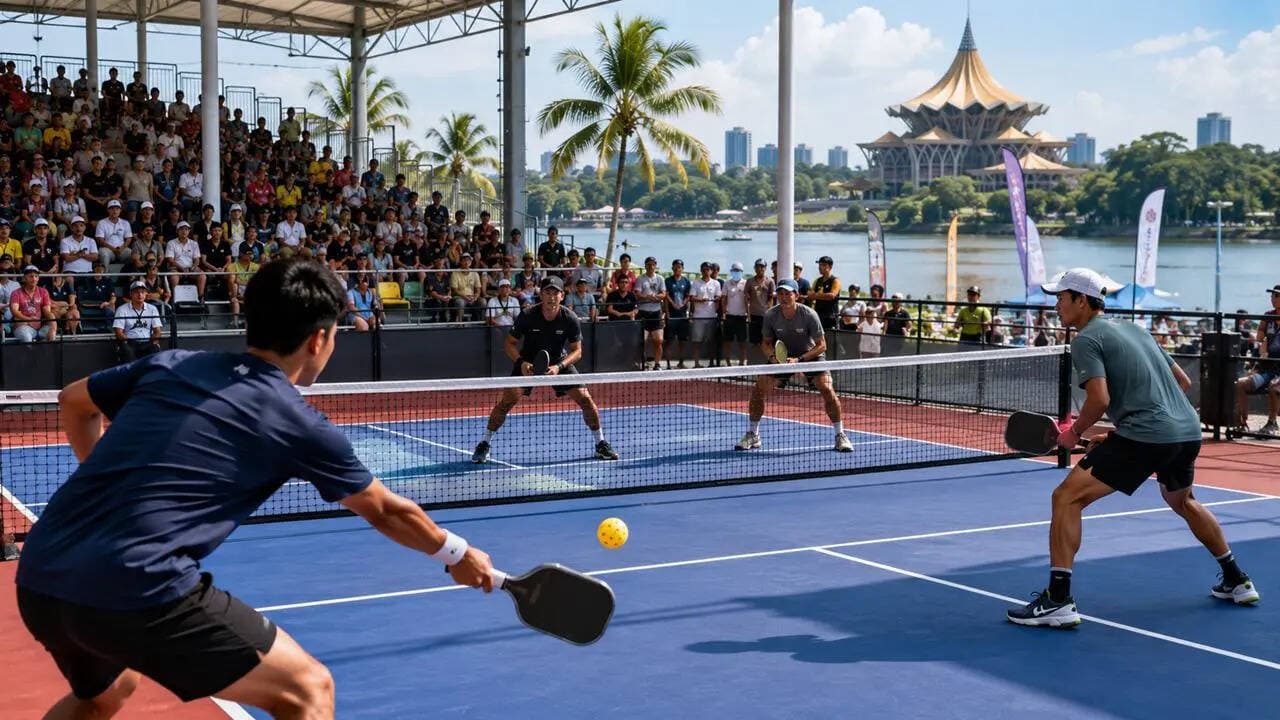
Clinics across Singapore recorded a noticeable rise in pickleball-related injuries as weekend players packed community courts, prompting town councils to introduce time restrictions and reminders about warm-ups and considerate play. Medical centres reported a range of presentations from muscle strains to more serious shoulder and eye trauma, a trend that has implications for player safety, community facilities and the growing pickleball scene in Asia.
Arete Orthopaedic Centre recorded about twice as many pickleball-related presentations this year compared with last, with cases including rotator cuff strains and tendon complaints consistent with repetitive overhead movement. Other clinics and doctors have reported similar increases, noting that many injuries stem from the short, intense bursts of play common in doubles and mixed social matches. The spike in presentations coincided with heavier weekend usage of community courts, where casual players often stack sessions into limited evening blocks.
Town councils responded by placing time limits on court bookings and access to ease congestion and reduce conflict between groups. Councils also circulated reminders urging players to warm up, avoid aggressive play in crowded sessions and be mindful of non-player residents. These interventions are designed to balance access to public facilities with safety and community harmony as pickleball grows from a niche pastime into a mainstream recreational activity.
From a performance standpoint, the injury profile reflects the sport’s physical demands. Overhead volleys, power drives and repeated short-angle movements place strain on the rotator cuff, wrists and forearms. Fast net exchanges and sudden lunges in the kitchen area amplify the risk of collisions and falls, while the small, hard ball raises the possibility of eye injuries in close quarters. For weekend warriors who play sporadically, limited conditioning and inadequate warm-ups increase susceptibility to tendon overload and muscle strains.

Industry and business effects are already visible. Clinics face a higher caseload for sports-related treatment, while equipment retailers and coaching programmes may see growing demand for protective eyewear, court-specific footwear and injury-prevention classes. Town councils’ scheduling controls could also shift peak-time demand toward paid coaching slots or private club play, altering how local players access the sport.
Culturally, pickleball has become a social glue for communities, but that popularity also brings new responsibilities: shared courts must be managed, etiquette reinforced, and basic safety education scaled up. For players, the immediate takeaway is practical - prioritise warm-ups, temper competitive drives in packed sessions, and consider protective gear for high-traffic court time. For organisers and policymakers, the next steps will be to standardise safety advice, expand supervised sessions and reassess court provision so the sport can grow without sidelining its most enthusiastic participants.
This article was produced by Prism’s automated news system from verified source data, official records, and press releases, then run through automated quality and moderation checks before publishing. The system is built and supervised by the people who set the standards it runs under. Read our full AI policy.
Did this article answer your question?