Zen-Noh Energy-backed Fukuoka Open 2026 Draws 307 Players
Pickleball fans will learn how the Zen‑Noh Energy–backed Fukuoka Open drew 307 players and what that means for competitive play, sponsorship, and grassroots growth in Japan.
1. Scale and participation
The Fukuoka Open recorded a total of 307 participant entries, a clear sign of robust regional interest in pickleball. That figure reflects cumulative entries across divisions and sessions, underscoring how a single weekend event can mobilize players across skills and ages. For a sport still building its organized circuit in Asia, a turnout at this level signals healthy demand and room for expanded draws at future stops.
2. Venue and local footprint
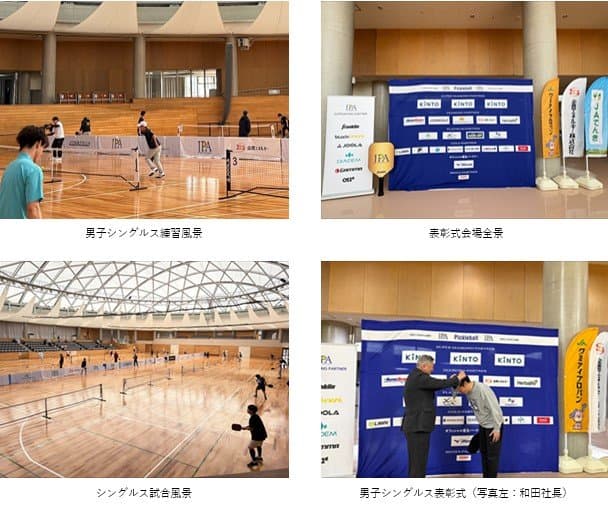
The event used the Kasuya Town General Gymnasium (Kasuya Dome main arena), a facility well suited for multi‑court competition and spectator flow. Using an established municipal arena ties the sport to community infrastructure and makes matches accessible to local fans, which helps normalize pickleball as part of regular recreational life. The choice of Fukuoka also positions the tournament within a dynamic regional market that can serve as a hub for western Japan.
3. Schedule and tournament structure
The tournament ran over a compact three‑day window (January 9–11), concentrating intense match play and award presentations into a weekend format that suits players and weekend spectators. Short, efficient schedules reduce travel costs and maximize court time, but they also demand tight operational coordination from organizers, court rotation, warm‑up space and match supervision become critical. This efficient structure supports participation from amateur players who balance work and family commitments.
4. Competitive atmosphere and game dynamics
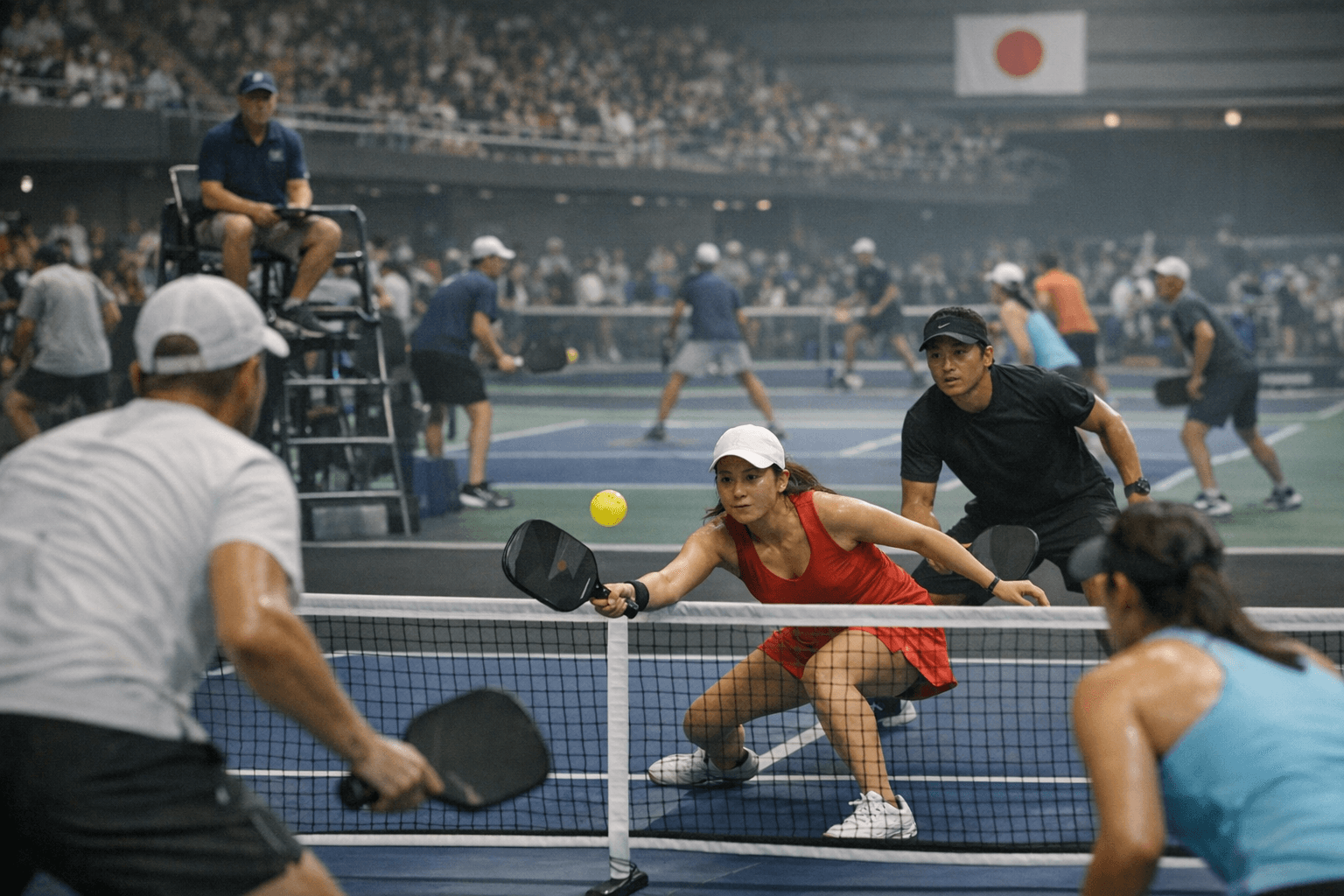
The release highlighted hotly contested matches throughout the weekend, indicating competitive depth across divisions. While specific match results weren’t detailed in the release, the characterization of “熱戦” points to close scorelines and momentum swings common in modern pickleball, where dinking finesse, third‑shot control and transition offense determine outcomes. Observers should take away that tactical sophistication is rising among grassroots players, narrowing gaps between casual and competitive levels.
5. Awards, recognition and ceremony
Organizers held an awards ceremony honoring top finishers, a ritual that cements competitive achievement and provides public recognition for rising talent. Ceremonies also reinforce the legitimacy of the event for sponsors and local media, providing photo opportunities and community narratives. For players, podium moments are practical milestones for ranking, confidence and attracting future invitations or sponsorships.
6. Organizer role: Japan Pickleball Association
The event was organized by the Japan Pickleball Association, demonstrating an institutional backbone coordinating events and standards nationwide. A national body can ensure consistent competition rules, officiating quality and player pathways from recreational play to higher‑level tournaments. Their role in staging regional opens is pivotal to building a coherent competitive calendar across Japan and linking local circuits to continental aspirations.
7. Sponsor involvement: Zen‑Noh Energy’s strategic backing
Zen‑Noh Energy (全農エネルギー) served as title sponsor, framing the event as part of a corporate commitment to pickleball’s growth. The sponsor’s stated intent, supporting spread and development of the sport and continuing regional tournament backing, aligns with current CSR strategies where corporations invest in community sport to build brand goodwill and employee engagement. For the pickleball ecosystem, predictable sponsor funding translates into better facilities, prize support and promotional reach.
8. Business implications and industry trends
The Fukuoka Open’s combination of solid turnout and corporate sponsorship reflects a broader trend: pickleball in Asia is transitioning from informal play to organized, sponsorable events. That evolution opens revenue streams, sponsorship, venue partnerships and local partnerships, that can professionalize tournaments and spur media coverage. As companies like Zen‑Noh Energy step in, expect more regional opens, better event operations and an emergence of localized circuits feeding into national rankings.
9. Cultural and social significance
Beyond competition, the event demonstrates pickleball’s cross‑generational and community appeal in Japan, where compact courts and social doubles fit urban recreational needs. Events at public arenas reinforce inclusion by making match play visible to passersby, converting curiosity into participation. The tournament model helps normalize active lifestyles and community bonding, with potential spillovers into youth programming and workplace wellness.
10. Practical takeaways for players, fans and organizers
If you play or follow pickleball in Asia, treat Fukuoka as evidence that regional events are scaling up, plan travel, rank ambitions and network locally at opens. Organizers should leverage sponsor commitments to improve scheduling, livestreaming and grassroots clinics to convert spectators into regular players. For fans, showing up to local opens accelerates the sport’s cultural foothold; for players, consistent tournament play sharpens tactical skills and exposes you to the higher standards now circulating through Japan’s competitive scene.
This article was produced by Prism’s automated news system from verified source data, official records, and press releases, then run through automated quality and moderation checks before publishing. The system is built and supervised by the people who set the standards it runs under. Read our full AI policy.
Did this article answer your question?