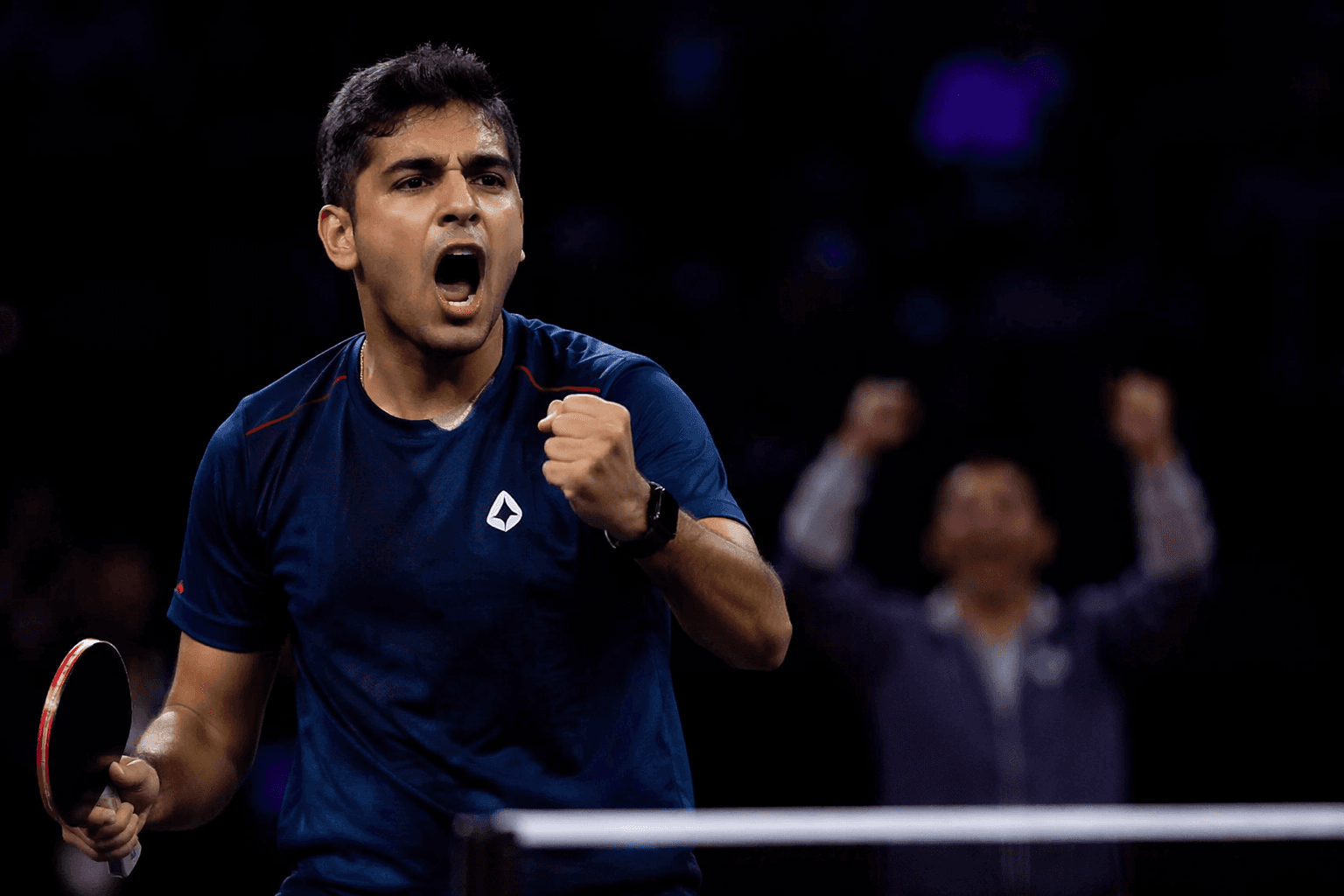
Aruna shocks No. 3 seed Coton in five-game Skopje thriller
Quadri Aruna opened Skopje with a five-game upset of No. 3 seed Flavien Coton, a result that instantly made the Nigerian wildcard a real men’s singles threat.
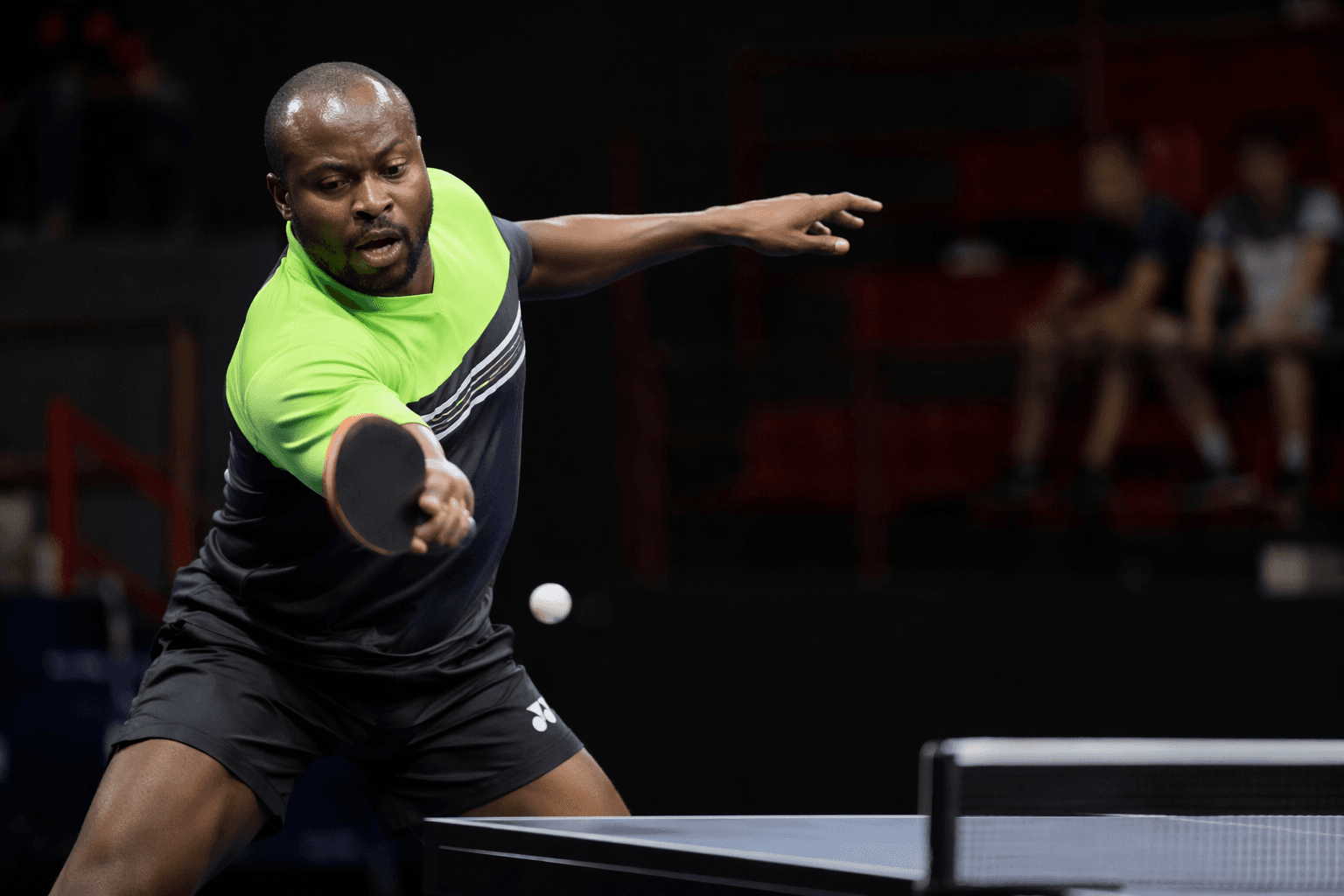
Quadri Aruna did more than survive the first round at WTT Contender Skopje 2026. He announced himself as a bracket-shaping danger, outlasting No. 3 seed Flavien Coton 11-5, 3-11, 9-11, 11-7, 12-10 in a round of 32 match that immediately changed the tone of the main draw in Skopje.
The opening game looked like a veteran on the front foot and a wildcard playing far above his billing. Aruna came out fast, took the first game 11-5 and showed the authority of a player who has spent years in pressure matches on the international circuit. Coton answered hard, however, flipping the match with a 3-11 response and then edging a tense third game 9-11 to seize momentum. For a stretch, the younger French seed looked in control of the rhythm, while Aruna was pushed into a chase.
That is where the result turns from routine upset to statement win. Aruna steadied in the fourth, taking it 11-7 to force a decider, then held his nerve in the final game as the score tightened all the way to 12-10. The five-game swing showed both sides of the matchup: Coton’s higher seeding and recent rise to World No. 20 reflected his ceiling, but Aruna’s response under pressure showed why he remains one of the most dangerous names in men’s singles when a match gets tight.
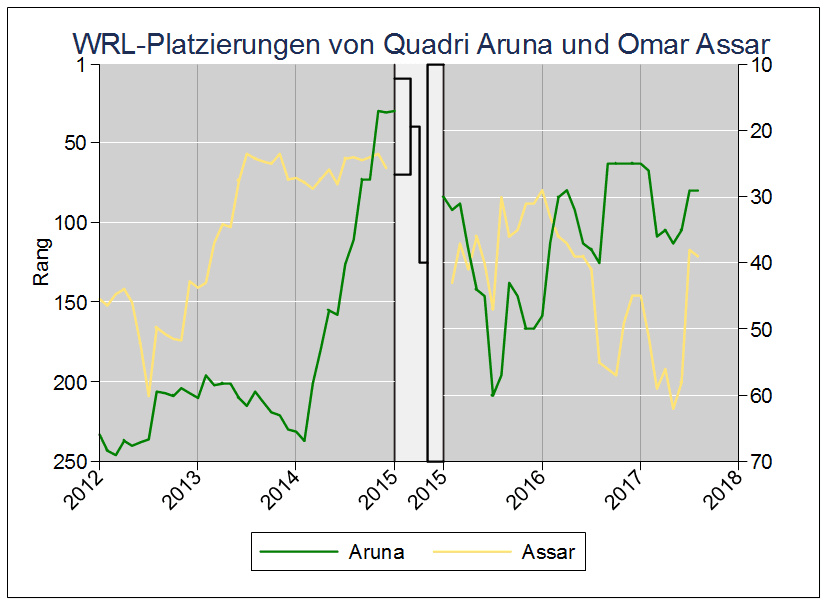
The context made the upset even heavier. Aruna entered the event as a wildcard, ranked World No. 76 at the time of entry, while Coton arrived as the No. 3 seed with the status of one of the draw’s elite players. WTT had also framed Aruna as a two-time African champion still searching for his first WTT Series title, and this was exactly the sort of win that gives that pursuit real weight. At Sports Center Jane Sandanski in Skopje, with $100,000 in prize money on offer from June 1-7, Aruna did not just steal a match; he reminded the field that experience can still punch holes in the hierarchy.
For Skopje, the message was immediate. The main draw had barely begun, and one of the event’s marquee threats had already emerged from a match that tested every point. For Aruna, the victory suggested more than a survival act by a veteran. It looked like a player still capable of making a deep run when the draw opens and the pressure climbs.
This article was produced by Prism’s automated news system from verified source data, official records, and press releases, then run through automated quality and moderation checks before publishing. The system is built and supervised by the people who set the standards it runs under. Read our full AI policy.
Did this article answer your question?