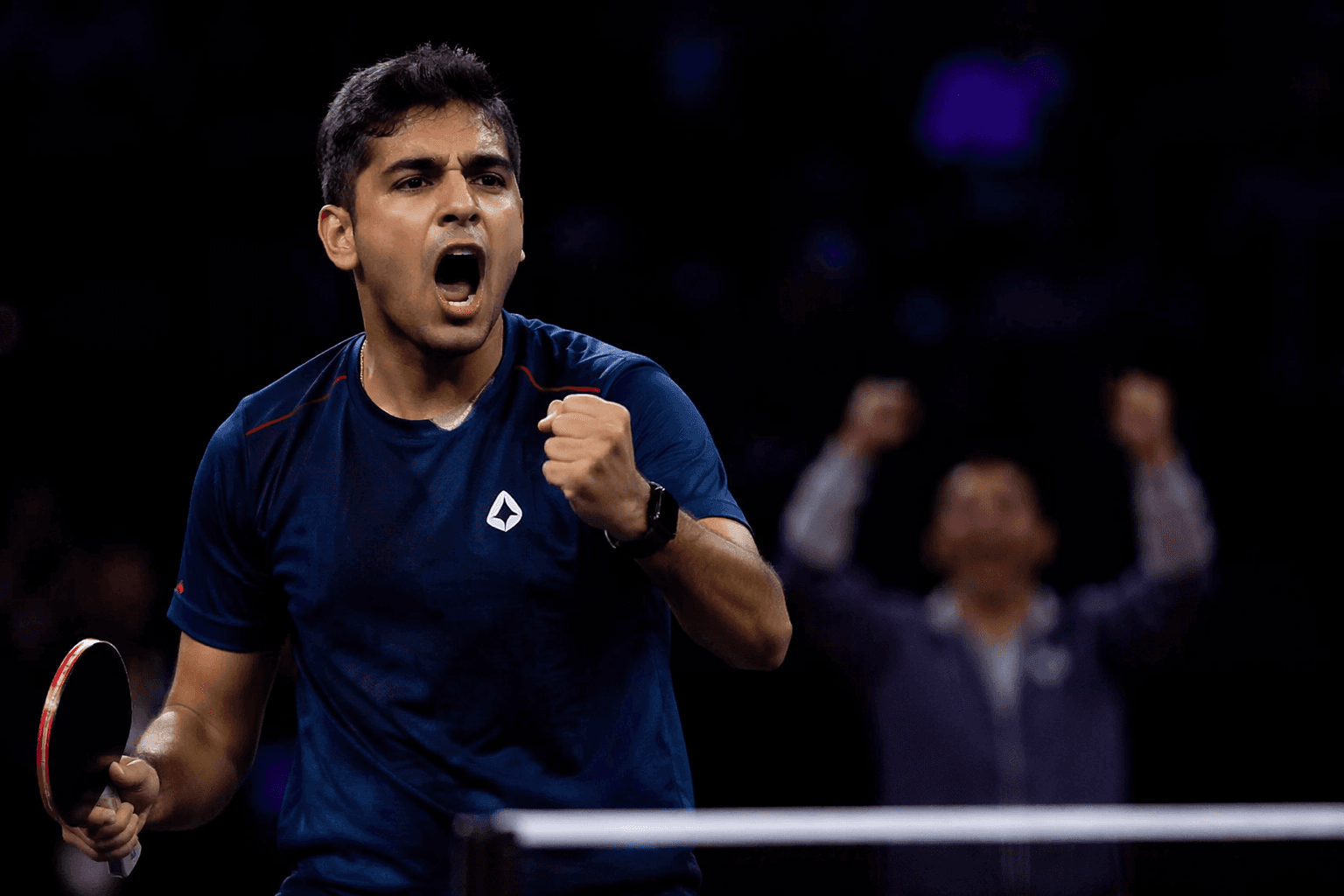
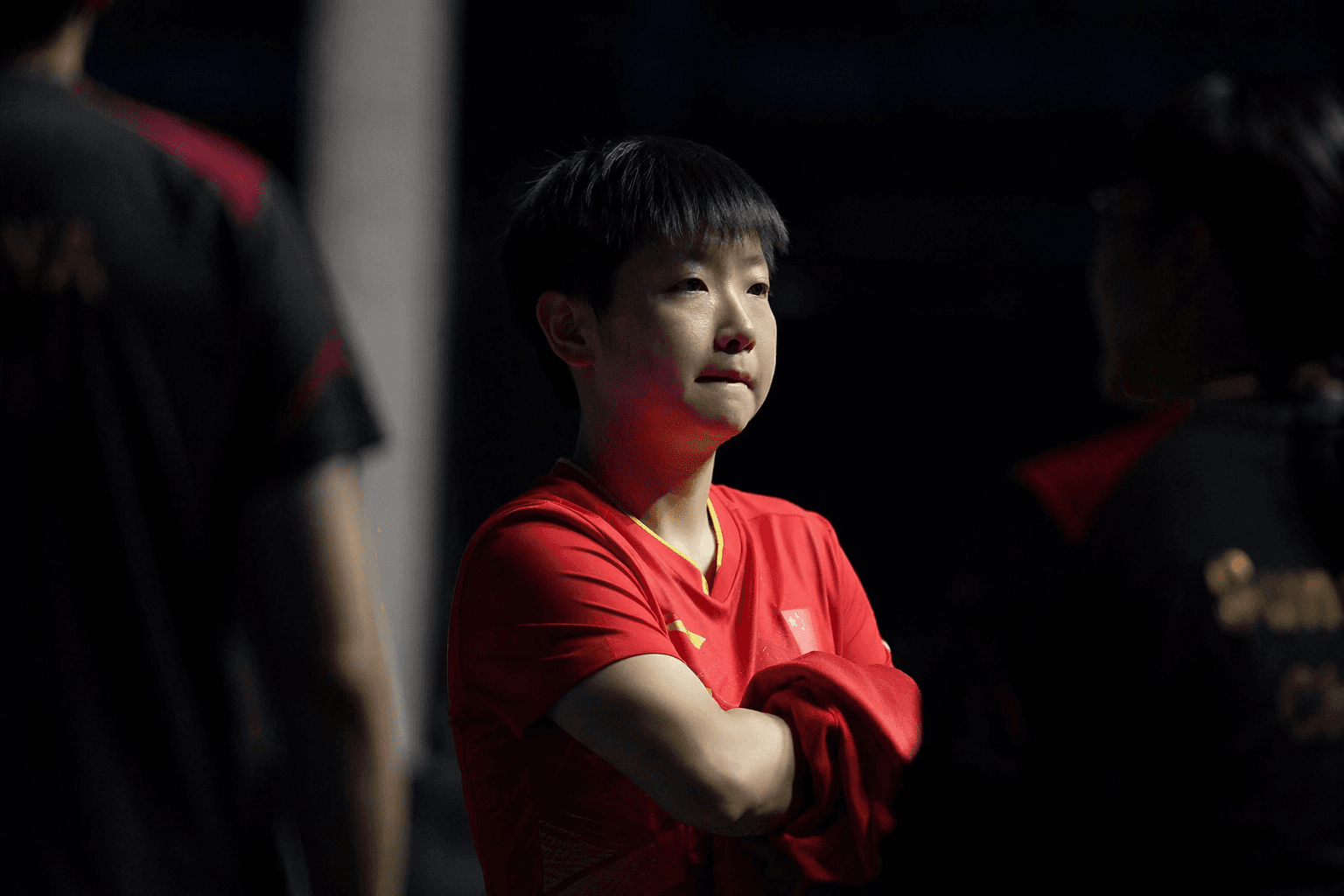
Hitomi Sato stuns Wang Manyu in U.S. Smash upset
Hitomi Sato swept world No. 2 Wang Manyu 12-10, 11-4, 15-13 in 36 minutes, handing U.S. Smash its first women’s top-seed shock.
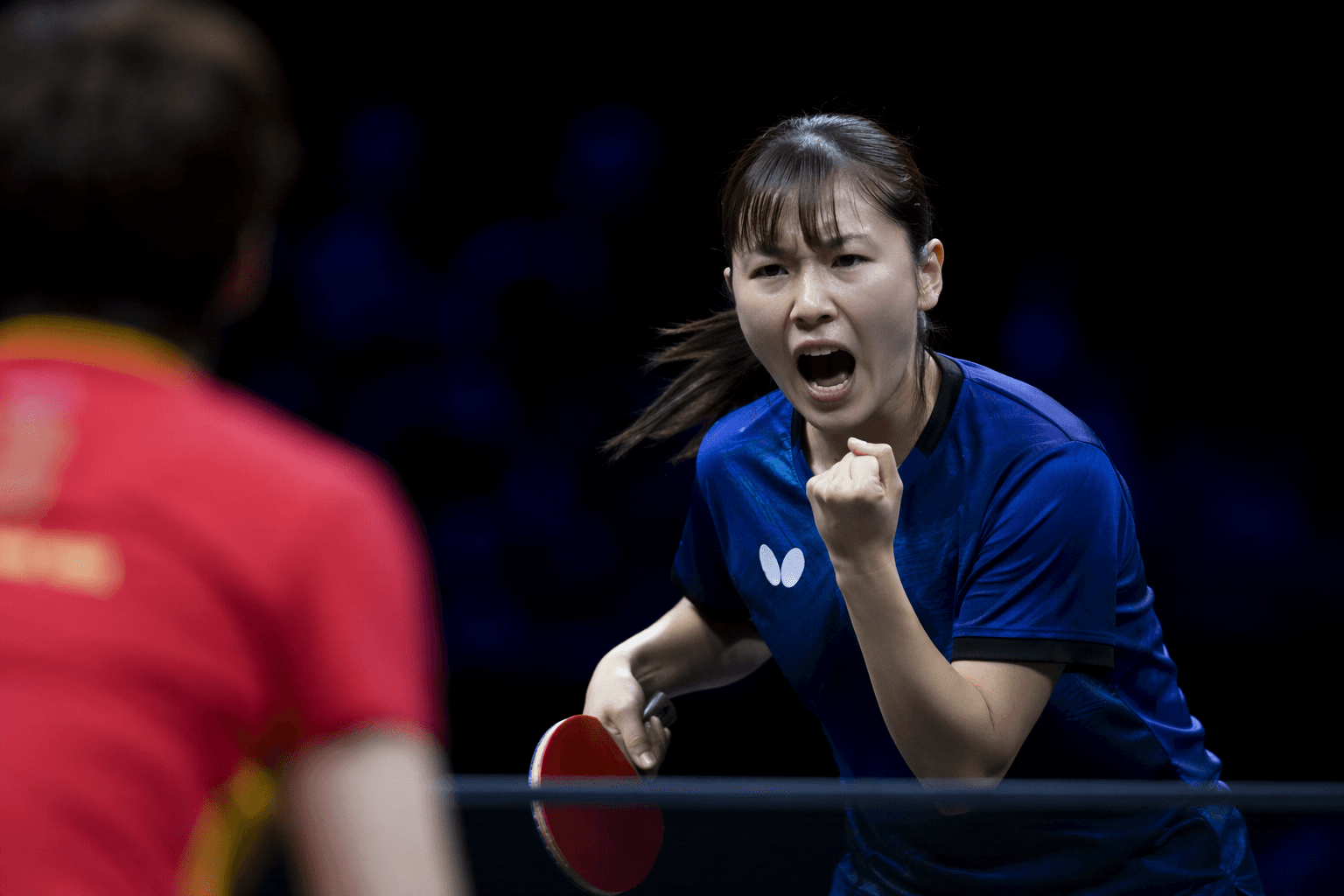
Hitomi Sato delivered the loudest women’s singles upset of the early U.S. Smash, sweeping world No. 2 Wang Manyu 12-10, 11-4, 15-13 in 36 minutes at the Ontario Convention Center in Los Angeles. The scoreline looks decisive, but the first and third games were tight enough to swing either way, and Sato kept Wang under pressure with the patient, awkward rhythm of a modern defender.
The result landed as an early inflection point in the women’s draw because Wang arrived as one of the event headliners and the first top seed to fall. World Table Tennis had placed her in the company of Sun Yingsha, Miwa Harimoto, Chen Xingtong, Zhu Yuling, Sabine Winter and Hina Hayata, which made the scale of the upset impossible to miss. A wildcard, ranked No. 21 in Week 25 of 2026, had knocked out one of the sport’s most decorated attackers before the bracket had fully settled.
Sato’s path made the statement even sharper. She opened with a 3-0 win over Adriana Diaz in the round of 64, then backed it up by dismantling Wang in the round of 32. Against Wang, Sato’s defense did more than absorb pressure; it redirected it. The Japanese player slowed the pace, reset rallies and forced Wang into uncomfortable exchanges, then took command of the second game 11-4 before closing out the third 15-13 when the world No. 2 tried to claw back into the match.
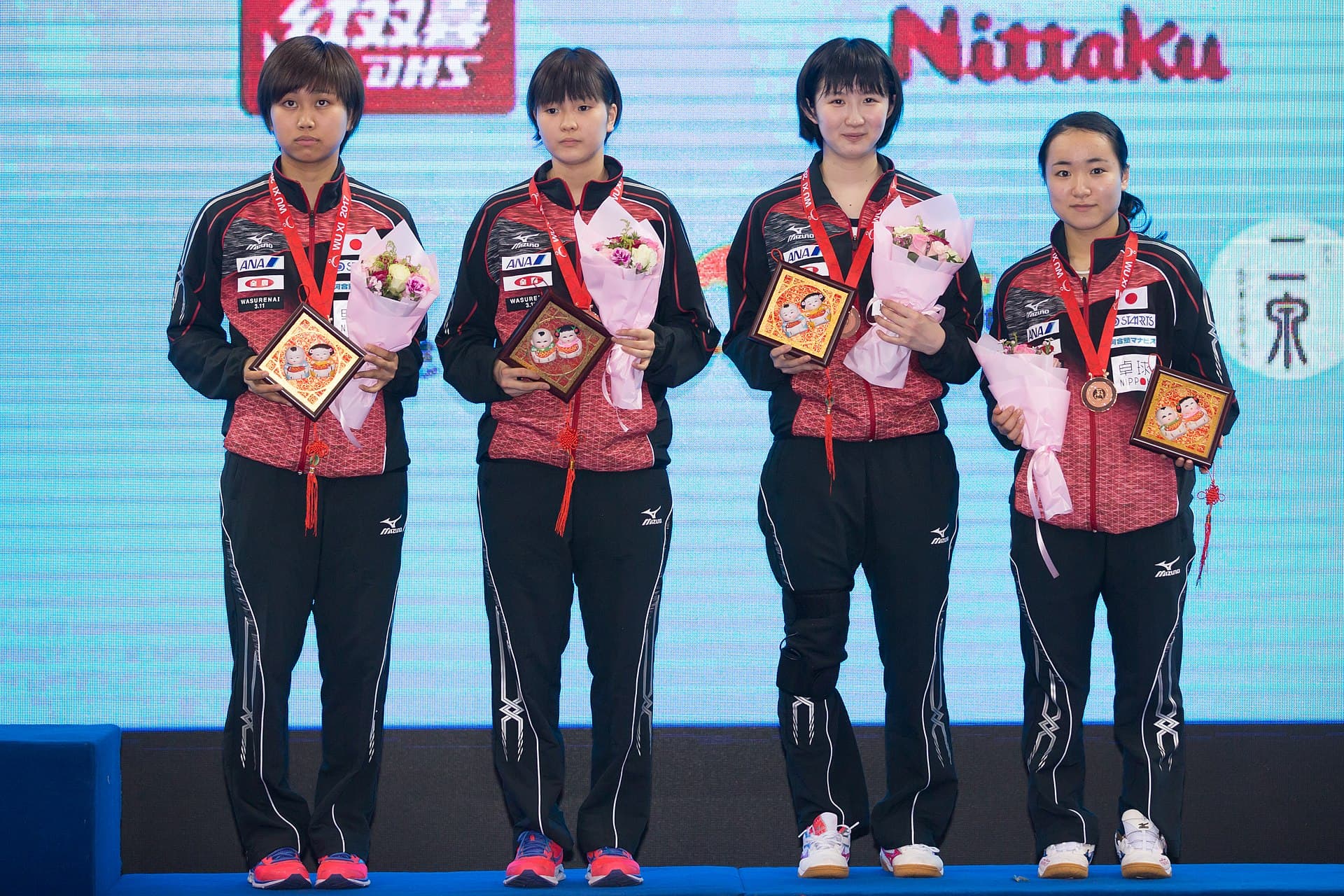
The upset also carried immediate consequences for the American side of the draw. Lily Zhang, one of the tournament wildcards and one of the home crowd’s most recognizable names, exited in the second round with a 3-0 loss to Germany’s Ying Han. In the span of one session, the U.S. Smash lost both a marquee Chinese contender and a U.S. favorite, leaving the women’s bracket suddenly more open and far less predictable.
That volatility is what gives Sato’s win its weight beyond the highlight reel. Wang came in with two Olympic gold medals and two Olympic appearances on her resume, but Sato, in a wildcard slot at a Grand Smash carrying $1,550,000 in prize money, turned the early rounds into a reminder that defensive precision can still crack the sport’s biggest names.
This article was produced by Prism’s automated news system from verified source data, official records, and press releases, then run through automated quality and moderation checks before publishing. The system is built and supervised by the people who set the standards it runs under. Read our full AI policy.
Did this article answer your question?