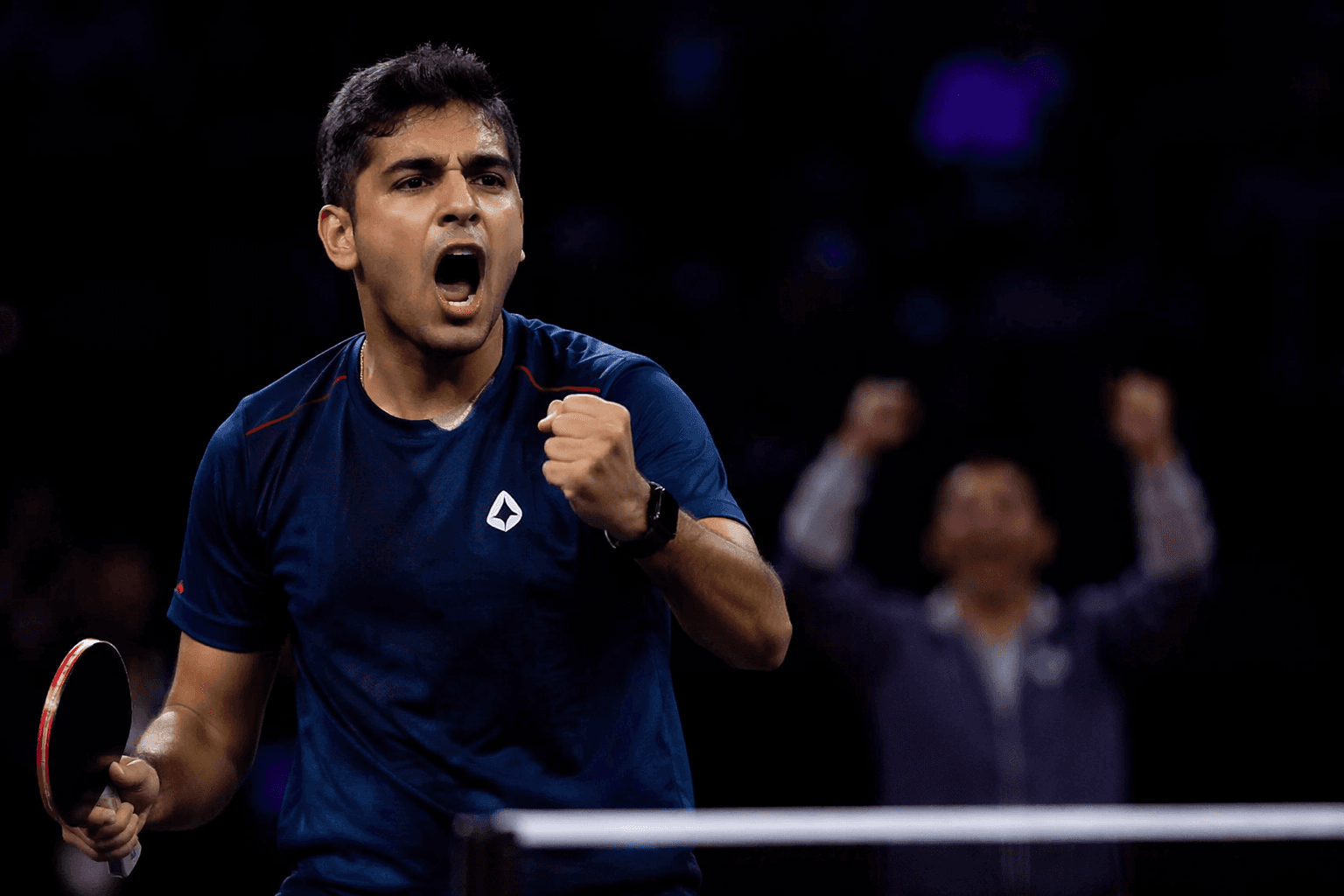
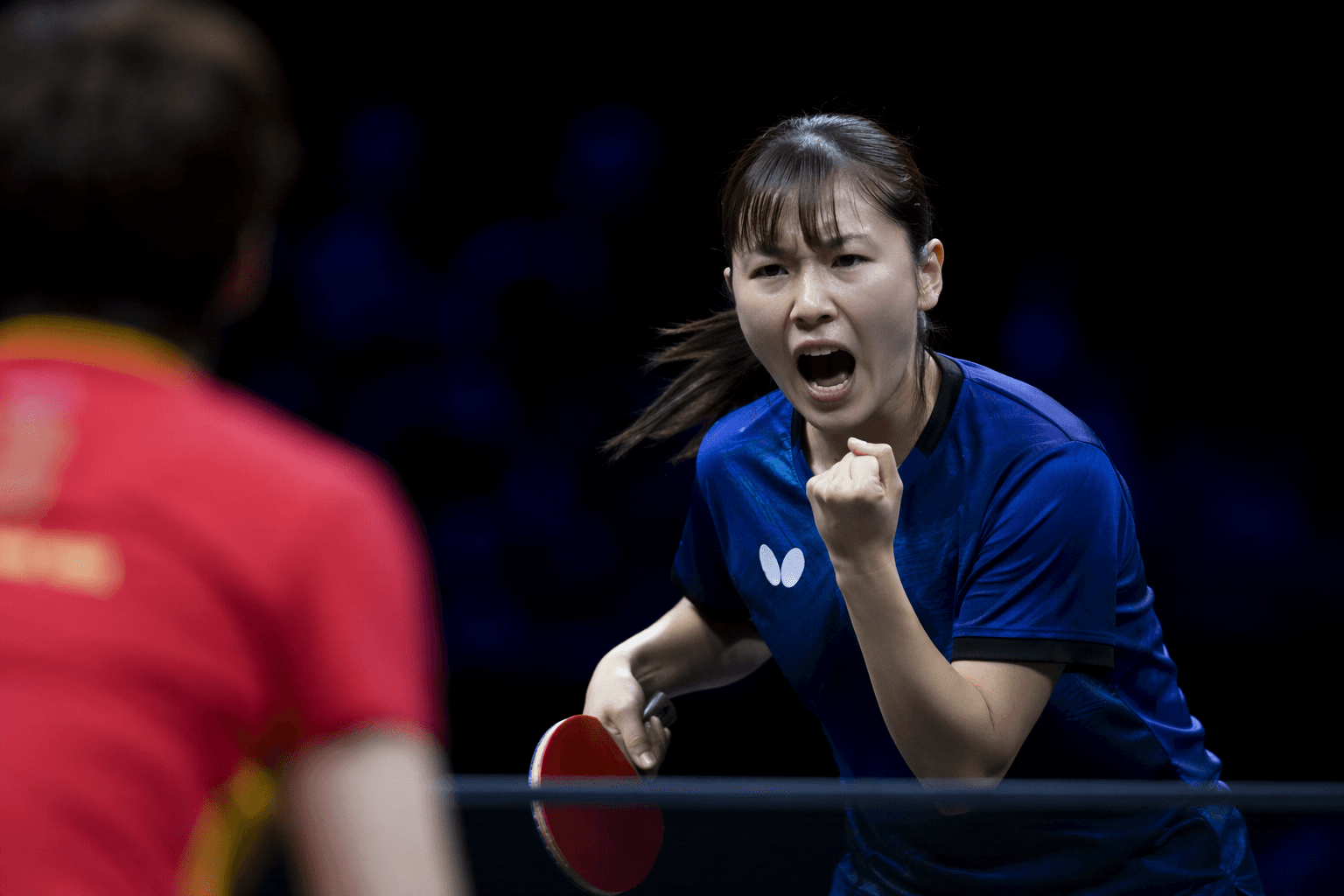
U.S. Smash draw sets up brutal early clashes for Team China women
Sun Yingsha, Shi Xunyao, Chen Xingtong and Qin Yuxuan landed in one brutal quarter, while Wang Yidi’s section also looked loaded.
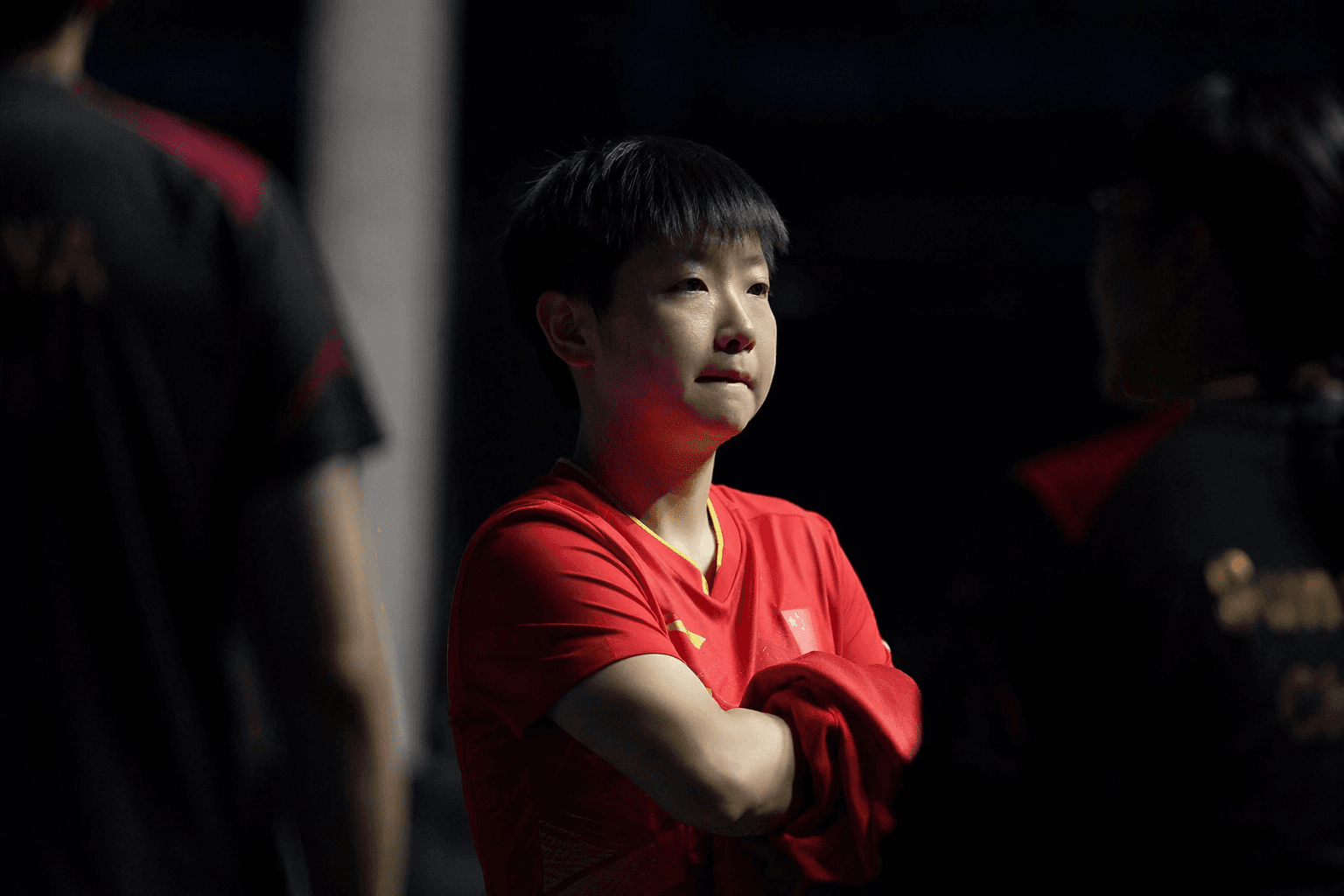
Team China’s women drew one of the hardest paths in United States Smash 2026, with Sun Yingsha, Shi Xunyao, Chen Xingtong and Qin Yuxuan packed into the same quarter before the first ball was struck. Wang Manyu and Kuai Man were also positioned nearby with difficult routes, raising the odds that the upper half of the women’s singles bracket could turn into a series of elite Chinese matchups long before the semifinals.
The tournament ran from June 26 to July 5 at the Ontario Convention Center in Ontario, California, with prize money set at USD 1,550,000. World Table Tennis moved the event from Las Vegas to Ontario as part of its push to establish table tennis in the United States ahead of the LA28 Olympic Games, where the sport will feature six medal events for the first time in Olympic history.
The women’s field entered the draw loaded at the top. WTT’s rankings placed Sun Yingsha at No. 1, Wang Manyu at No. 2, Miwa Harimoto at No. 3, Zhu Yuling at No. 4 and Chen Xingtong at No. 5. The headline list also included Sabine Winter, Hina Hayata and the returning Zhu Yuling, who had won the 2025 U.S. Smash women’s singles title in Las Vegas.
Zhu’s return carried its own layer of pressure. WTT described her 2025 title run as a comeback story after she completed one of the sport’s most striking reversals, and Zhu said the U.S. Smash was one of the most memorable experiences of her career because the arena energy and atmosphere felt different from other events.
Wang Yidi’s quarter gave the bracket a more international edge. She could have run into Japan’s Satsuki Odo, defending U.S. Smash women’s champion Zhu Yuling and South Korea’s Joo Cheon-hui, a lineup that made that section look volatile even before the seeds settled in. For a Grand Smash, that kind of distribution matters as much as form, because it can determine whether the strongest players are separated until late or forced into high-end collisions immediately.
The women’s draw already produced some early shock points. Sabine Winter, Bernadette Szocs and Miyu Nagasaki were all eliminated in the opening round, a reminder that the bracket offered no protection for established names once play began. With China stacked in one quarter and several top international threats spread through the rest of the field, the title race was shaped almost as much by the draw as by the ranking list.
This article was produced by Prism’s automated news system from verified source data, official records, and press releases, then run through automated quality and moderation checks before publishing. The system is built and supervised by the people who set the standards it runs under. Read our full AI policy.
Did this article answer your question?