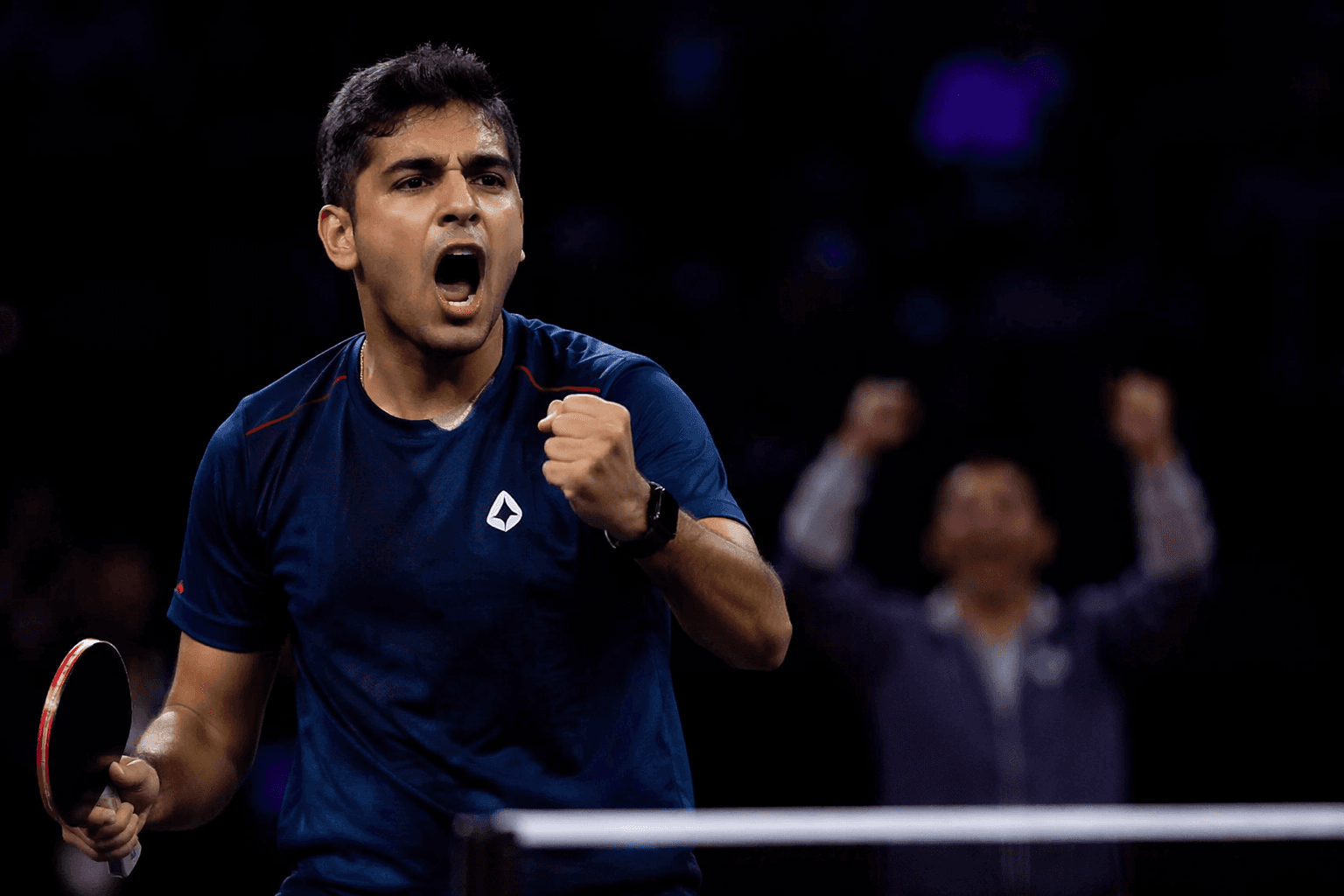
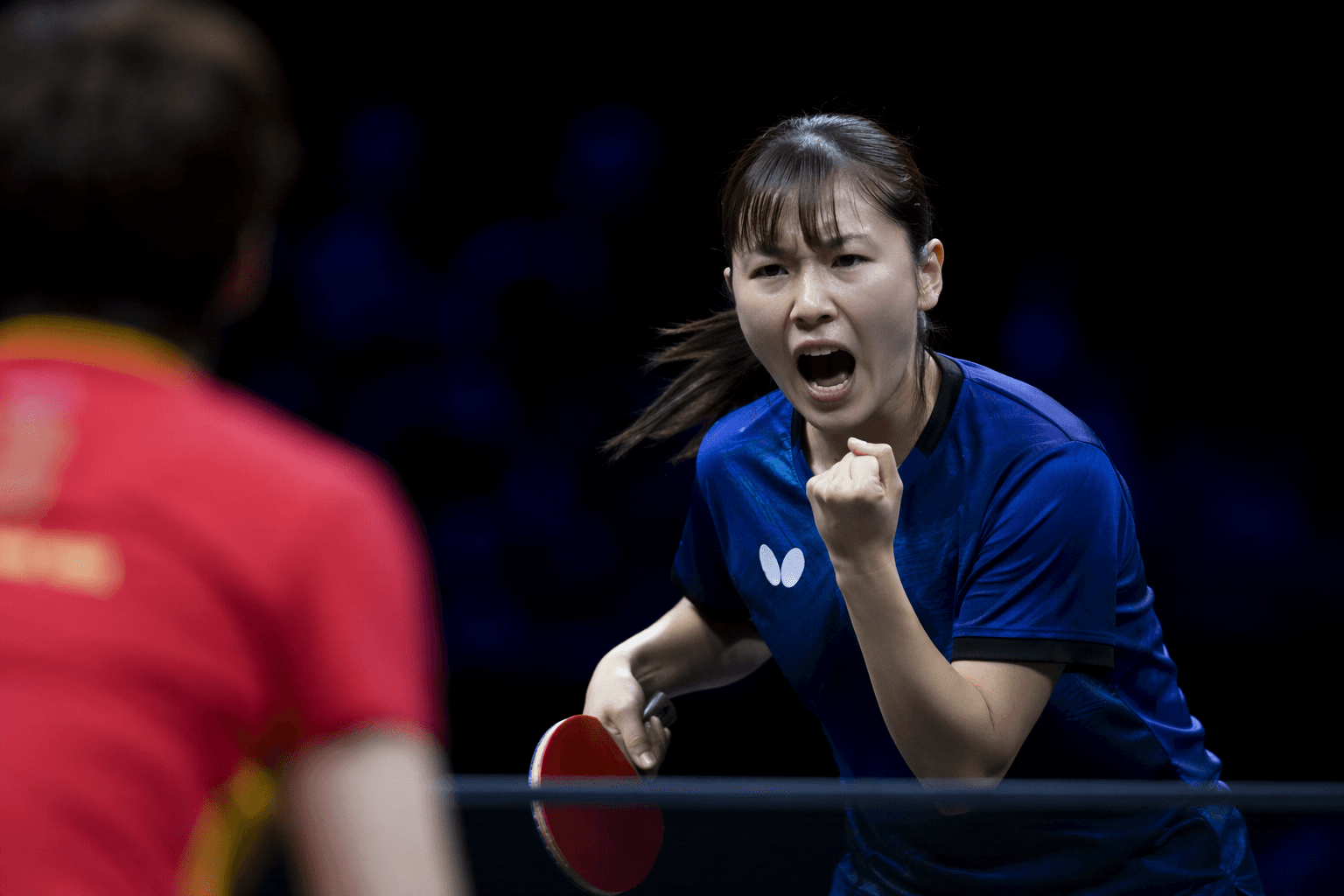
European Under 21 Championships become key bridge to senior table tennis
Ten editions in, the European Under 21s are no longer an experiment: they’re a real bridge, with Bertelsmeier, Hursey and Rosu showing how far it can carry players.
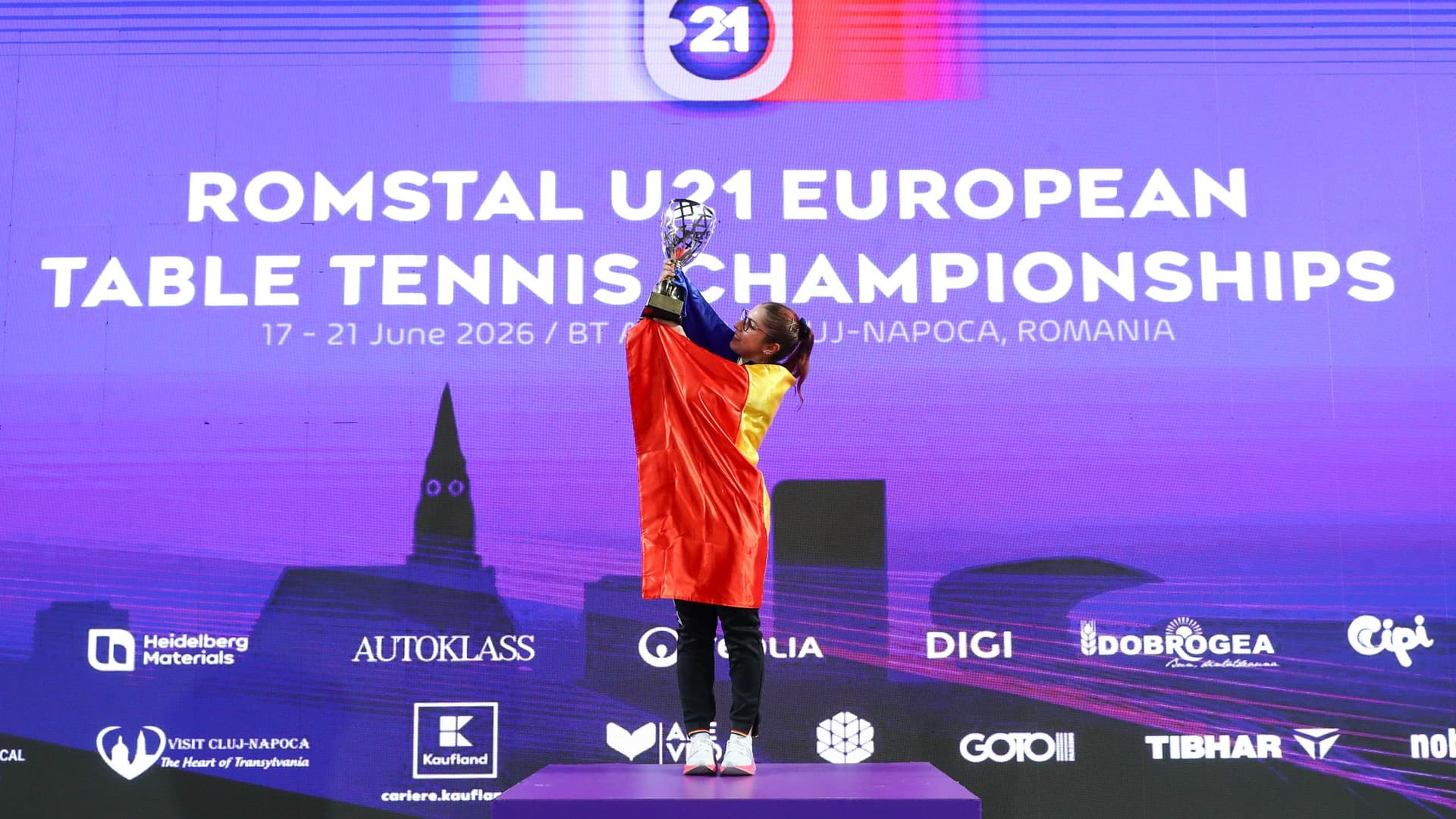
Andre Bertelsmeier’s run to the men’s singles title in Cluj-Napoca is the clearest proof yet that the European Under 21 Championships have become more than a youth add-on. What began as a test case in Sochi has turned into a tournament that can shape the sport’s next senior tier, because it gives players who have outgrown junior events a real bridge before the full pace and physicality of the adult game. The 2026 edition was the tenth, and that milestone matters: the event is no longer being introduced to Europe’s table tennis hierarchy, it is already part of it.
From experiment to permanent rung
The European Table Tennis Union approved the competition at its Congress in 2015, then launched it in Sochi in February 2017 with players from 35 countries. The first edition only had men’s and women’s singles and doubles, which tells you how narrow the concept was at the start and how quickly it expanded into a broader development tool. By the time Cluj-Napoca hosted the 17 to 21 June 2026 edition, the event had stopped looking provisional and started looking institutional.
ETTU’s own history of the tournament shows why. Across the first ten editions, the championship has moved through Sochi, Minsk, Gondomar, Varaždin, Spa, Cluj-Napoca, Sarajevo, Skopje and Bratislava, and nearly 40 member associations have taken part. Twenty-five associations have won medals, and 16 have produced at least one European Under 21 champion, which is the right mix of spread and selectivity for a meaningful bridge event: wide enough to matter continent-wide, but competitive enough that the titles still mean something.
Why the bridge matters
The Under 21 category exists for a very specific reason. A player who is too old for youth events is not automatically ready for senior table tennis, where the match pressure, physical load and tactical depth rise fast. The gap is real, and the European Under 21 Championships were designed to close it by putting emerging adults against peers who are at the same stage of the climb.
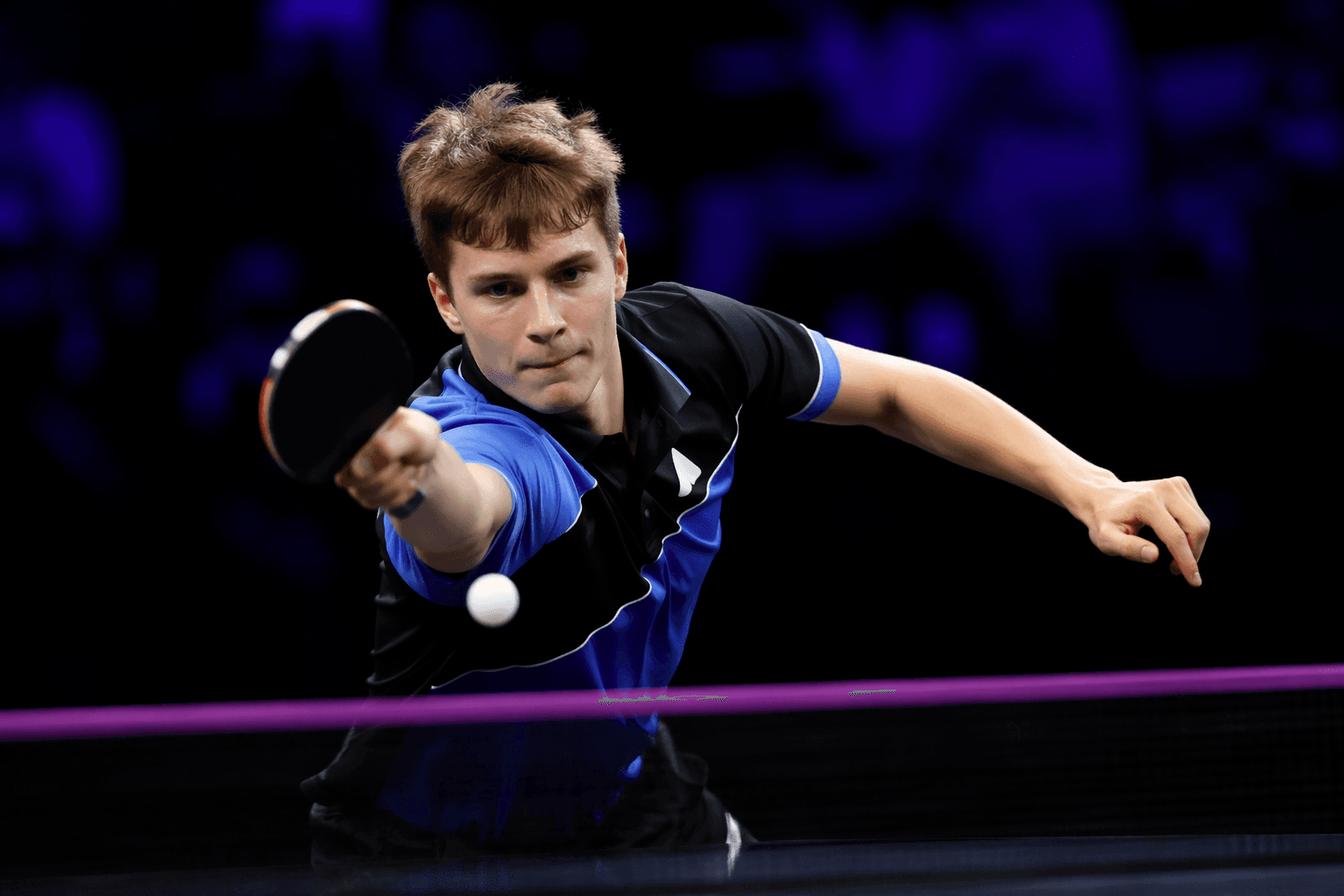
That is why the event has gained rank. The medals are not just souvenirs from a transitional age group; they sit in a competition that rewards players with serious ranking value and exposes them to the kind of pressure they will face a level up. In a sport where a clean leap from junior promise to senior consistency is rare, the Under 21 format now looks like one of Europe’s most reliable stepping stones.
Cluj-Napoca showed the current crop
The 2026 results fit the model. Andre Bertelsmeier won the men’s singles after beating his compatriot Wim Verdonschot in an all-German final, a good sign that the deepest systems are still producing players who can turn internal pressure into continental results. Connor Green of England and Darius Movileanu of Romania took bronze, giving the event a familiar mix of established development nations and host-country breakthrough.
Romania also left its mark in the women’s singles, where Bianca Mei Rosu claimed the title on home soil. That matters because these championships are not only about who can survive a one-off bracket, but about who can handle expectation when the event lands in front of a local crowd and a national federation wants proof that its pipeline is working. Cluj-Napoca gave Romania that answer in the women’s draw, even as Germany controlled the men’s final.
Anna Hursey is the clearest bridge case
If one player shows how the Under 21 stage can accelerate a career, it is Anna Hursey. In 2026 she won mixed doubles with Romania’s Iulian Chirita, and she kept stacking podium results in Cluj-Napoca while continuing a breakthrough run that already made her one of the most recognizable young names in European table tennis. Her 2025 Bratislava title was historic because she became the first Welsh player ever to win a European table tennis title in a women’s or youth event, a marker that the Under 21 circuit can produce genuine firsts, not just participation trophies.
Hursey’s case also shows the pathway’s limits. A strong Under 21 result can announce a player, but the next step still has to happen in senior events, where the opposition is older, heavier, and far less forgiving. The bridge works best when it creates a visible launch point, and Hursey has already done that for Wales. The harder test is whether that kind of breakthrough becomes a routine rather than a headline.
Where the pathway still breaks down
The numbers say the event has become established, but not universal. Nearly 40 associations have reached the first ten editions, yet only 25 have medaled and only 16 have produced a champion. That is a healthy spread for European depth, but it also shows that most federations are still chasing the top of the category rather than converting it into a steady senior pipeline.
That gap is the real measure of the championship’s value. The Under 21 event is no longer an experiment, and it is not a dead end either. It is a high-level checkpoint that can turn players like Bertelsmeier, Hursey and Bianca Mei Rosu into continental names before the senior tour demands a higher standard, and that is exactly why the championship now sits at the center of Europe’s development ladder.
This article was produced by Prism’s automated news system from verified source data, official records, and press releases, then run through automated quality and moderation checks before publishing. The system is built and supervised by the people who set the standards it runs under. Read our full AI policy.
Did this article answer your question?