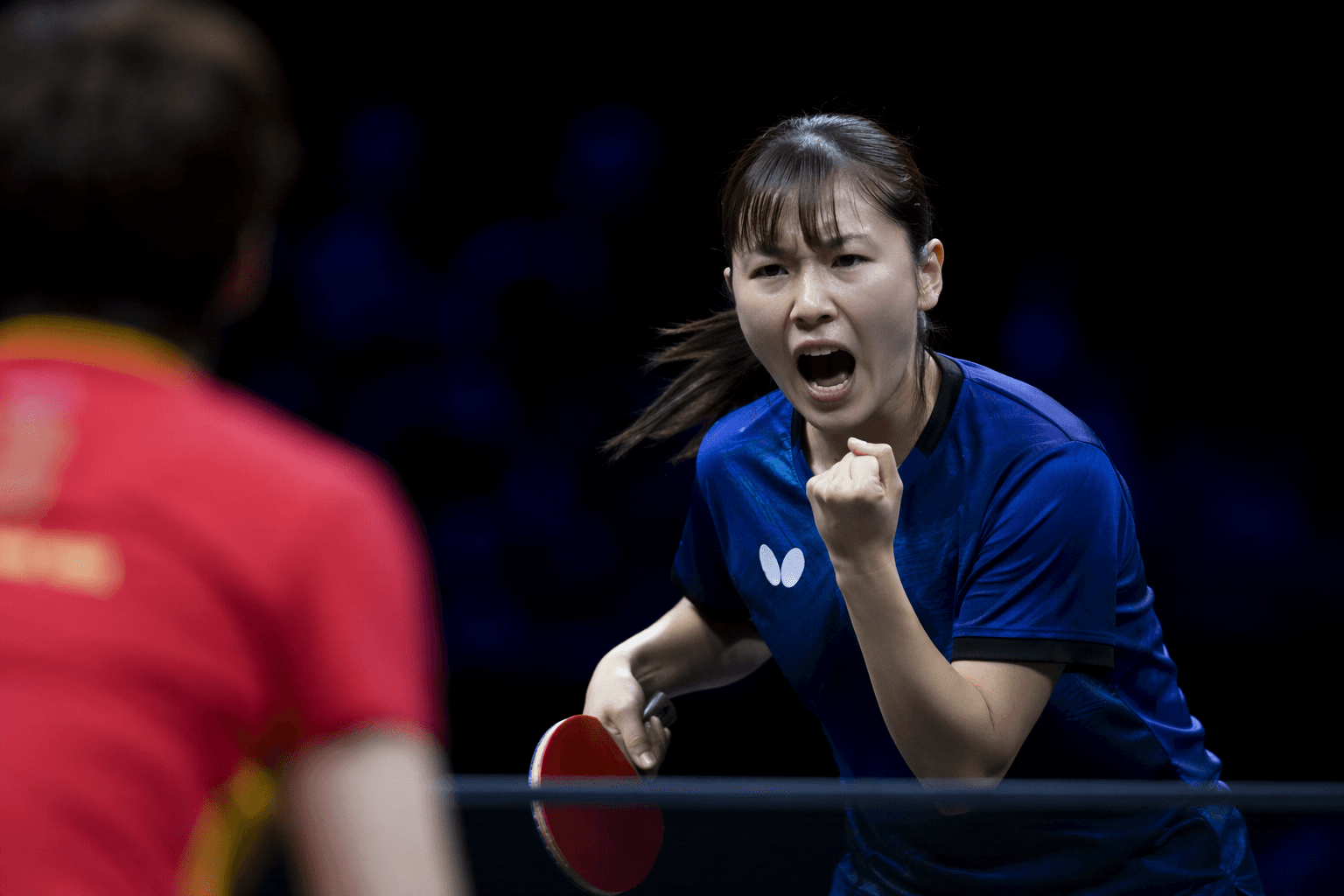
Hursey leads wide-open European Under-21 women’s singles race
Hursey returns in Cluj-Napoca as the top seed, but a rematch with Matiunina and a deep chase pack make the U21 women’s race wide open.
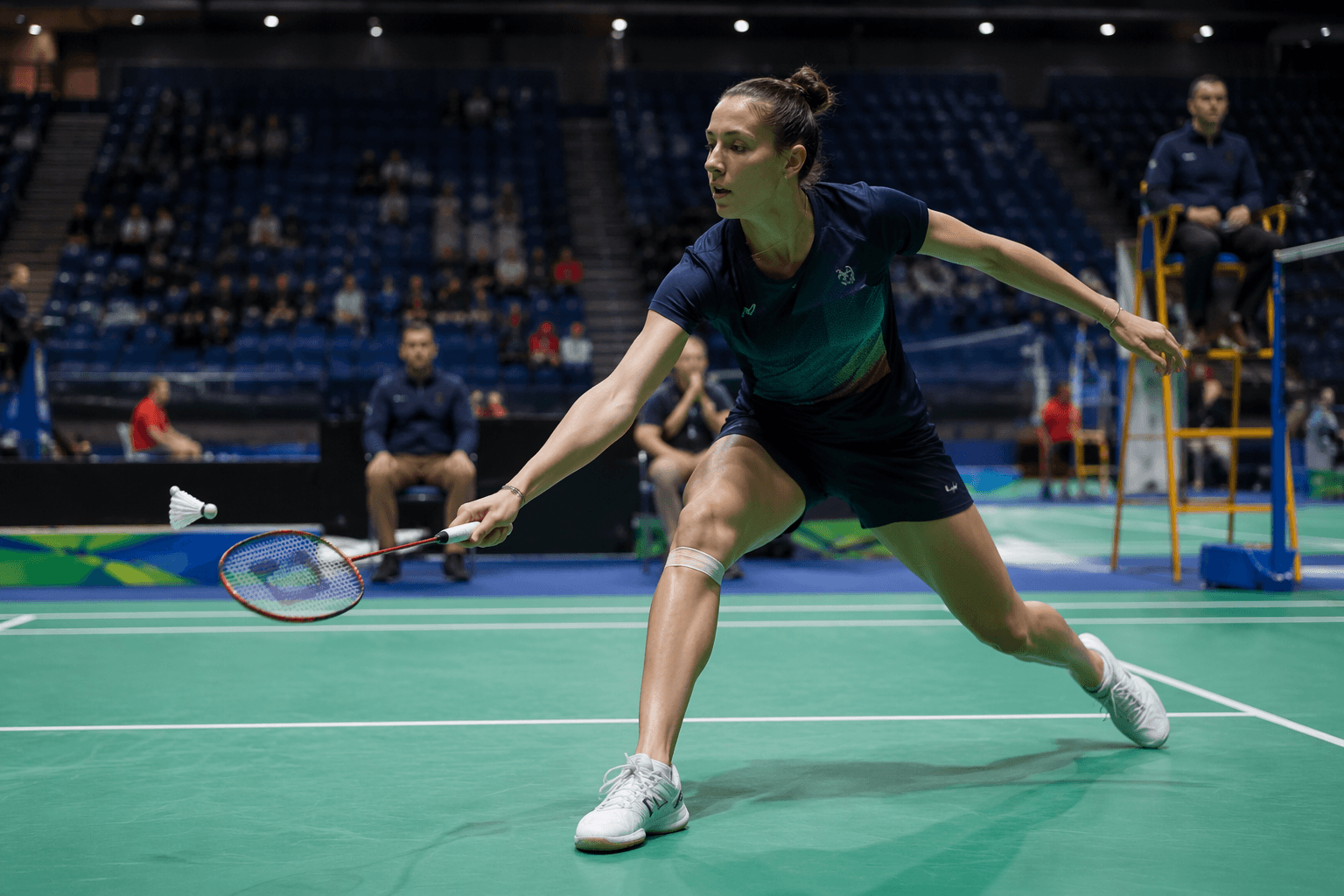
Anna Hursey arrives in Cluj-Napoca as the player everyone else has to plan around. She is the defending European Under 21 women’s singles champion, the top seed, and the first Welsh player ever to win a European table tennis title in a women’s or youth event. That alone gives the draw a clear center of gravity, but the bracket around her is crowded enough to keep the title race from feeling settled.
Hursey carries the standard
Hursey’s 2025 run in Bratislava changed the national conversation around Welsh table tennis. She beat Ukraine’s Veronika Matiunina in the final, 11-8, 11-6, 10-12, 12-10, 11-9, and then added the women’s doubles title with Germany’s Mia Griesel. The result made her the most successful woman at that championship and gave this year’s event a champion with both pedigree and proof that she can survive a tight, high-pressure fifth game.
That matters because Hursey is not entering as a young player with upside alone. She is arriving as the benchmark, the athlete the rest of the field is measured against, and the one who has already solved the most important problem in this event: winning when the margin is thin. In a championship that has been built to identify Europe’s next senior-level names, she is already operating like one.
The rematch that shapes the top of the draw
If Hursey is the reference point, Matiunina is the most obvious counterweight. The Ukrainian is the 2024 women’s singles champion and the second seed in Cluj-Napoca, which gives the event a built-in rematch-and-revenge storyline before a ball is even struck. The final in Bratislava was close enough to leave room for both confidence and motivation, and that tension sits right at the top of the draw.
That is also why this tournament feels so open. Since the European Under 21 Championships began in 2017 in Sochi, the women’s singles title has moved from player to player, with Mariia Tailakova winning in 2018, Adina Diaconu in 2019, Prithika Pavade in 2020, Annett Kaufmann in 2021, Elena Zaharia in 2022, Hana Arapović in 2023, Matiunina in 2024 and Hursey in 2025. The title line has never been static, and that rotation tells you something important about this event: the favorite is never safe for long.
The seed list runs deeper than the first two names
The top six seeds alone show why this is more than a two-player story. Italy’s Nicole Arlia, France’s Leana Hochart, Luxembourg’s Enisa Sadikovic and Poland’s Zuzanna Wielgos round out that first wave of contenders, and each brings enough quality to turn an early-round slip into a serious problem for the bracket.
Behind them, the draw keeps thickening. Austria’s Nina Skerbinz, Spain’s Maria Berzosa, Portugal’s Matilde Pinto, Belgium’s Lilou Massart, Switzerland’s Fanny Doutaz, Romania’s Bianca Mei Rosu, Slovenia’s Sara Tokic, Czechia’s Veronika Polakova and Hanka Kodet, and Poland’s Anna Brzyska all add another layer of pressure. This is the kind of field where a solid first two matches can matter as much as a headline seed, because the route to the podium is loaded with players who already look ready for stronger senior-level tests.
Germany adds another interesting sub-plot through Josephina Neumann and Koharu Itagaki, two players expected to make an impact. Their presence matters because this championship is not just about the seeded names holding form. It is also about who can use a youth title race to announce themselves as a future senior threat.
Romania gives the championship a home edge
The host nation gives the event its own pulse. Romania previously staged the European Under 21 Championships in Cluj in 2022, and the federation has framed the 2026 edition as one of the country’s most important international events for the next generation of European players. That creates a meaningful setting for a competition that already carries continental weight.
The local interest is sharpened by the presence of Alesia Sofia Sferlea and wildcard Patricia Stoica, both of whom bring home support into the women’s singles picture. That kind of setting can change a draw in subtle ways. It does not guarantee wins, but it can make early rounds louder, tighter and harder to manage for opponents who are expected to do the controlling.
Romania’s broader place in the championship history also matters. The country has already produced names that fit the event’s developmental purpose, and the home backdrop in Cluj-Napoca gives the 2026 edition an added sense of national ambition. For a federation looking to showcase its table tennis footprint, hosting one of Europe’s premier competitions for the continent’s next generation is a statement in itself.
Why this title race matters beyond one bracket
The real value of this women’s singles field is that it separates short-term form from long-term significance. Hursey’s breakthrough made her the first Welsh player to win a European title in this space, but the broader field is the real test of where Europe’s Under 21 women stand right now. The event is stacked with former champions, seeded contenders and ambitious outsiders, which is why the race feels more like a live audit of the continent’s next senior group than a simple youth championship.
That is the story to watch in Cluj-Napoca from 17 to 21 June 2026. If Hursey holds, she turns a landmark breakthrough into a repeat that confirms she has already crossed into a different tier. If she does not, the draw is deep enough, and the pressure at the top sharp enough, that another rising name can step in fast.
This article was produced by Prism’s automated news system from verified source data, official records, and press releases, then run through automated quality and moderation checks before publishing. The system is built and supervised by the people who set the standards it runs under. Read our full AI policy.
Did this article answer your question?