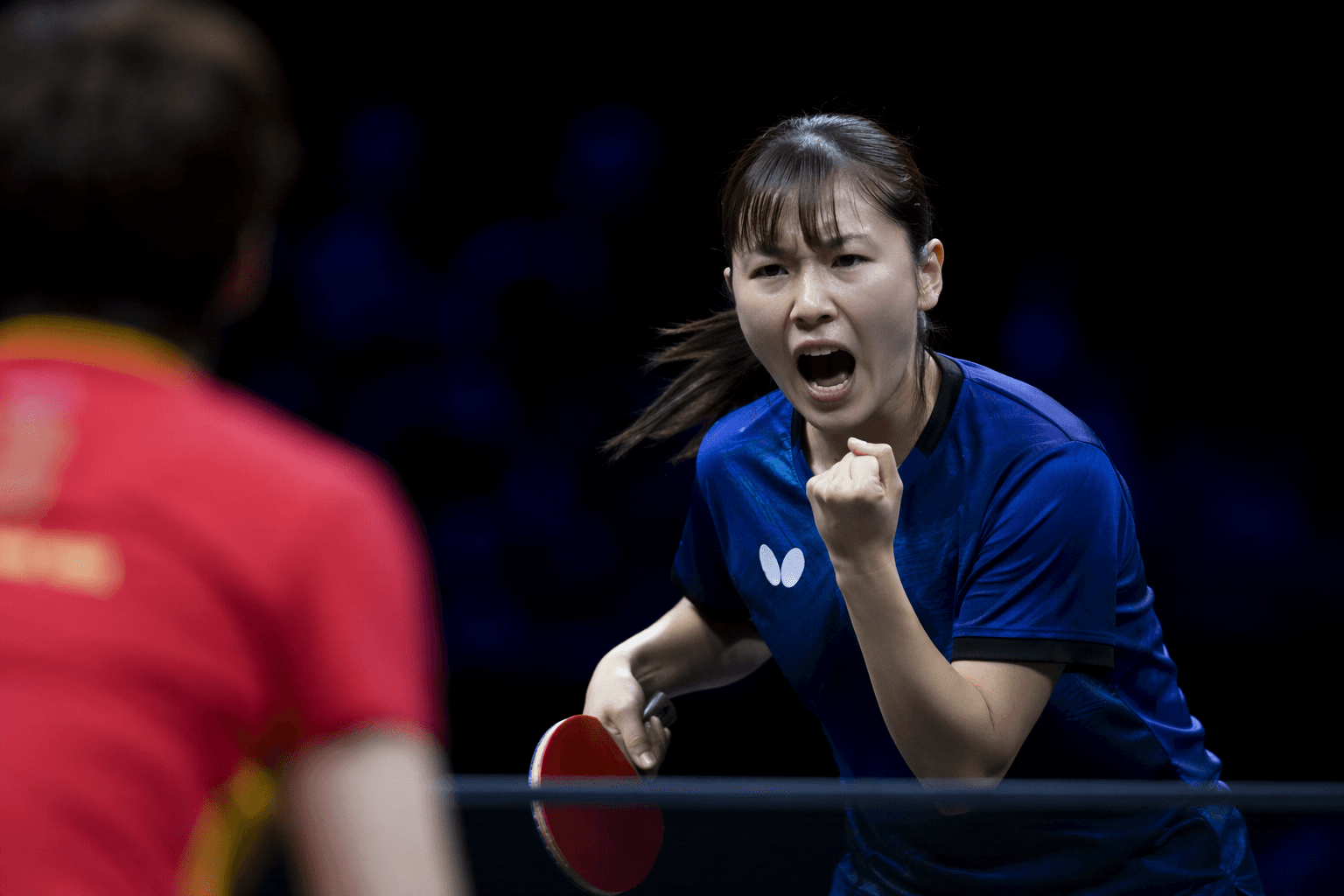
ITTF adopts centenary constitution in landmark London vote
Member associations backed a new ITTF constitution in London, giving the federation a cleaner governance map and a faster path for decisions that shape the next cycle.

Member associations gave the ITTF a new operating manual in London, approving the Centenary Constitution at the federation’s Annual General Meeting at the Hilton London Wembley. The vote mattered because it was not just a nod to 100 years of history. It reset how the sport’s governing body will function in its second century, with a sharper framework for responsibilities, oversight and decision-making.
President Petra Sörling cast the moment as a turning point for the sport’s structure, arguing that table tennis needed rules and governance built for the next 100 years, not just the last one. The ITTF said the constitution completed a mandate issued at the 2025 AGM, which makes this more than ceremonial housekeeping. It was the culmination of a broad consultation and a practical rewrite of how authority is organized across the federation.
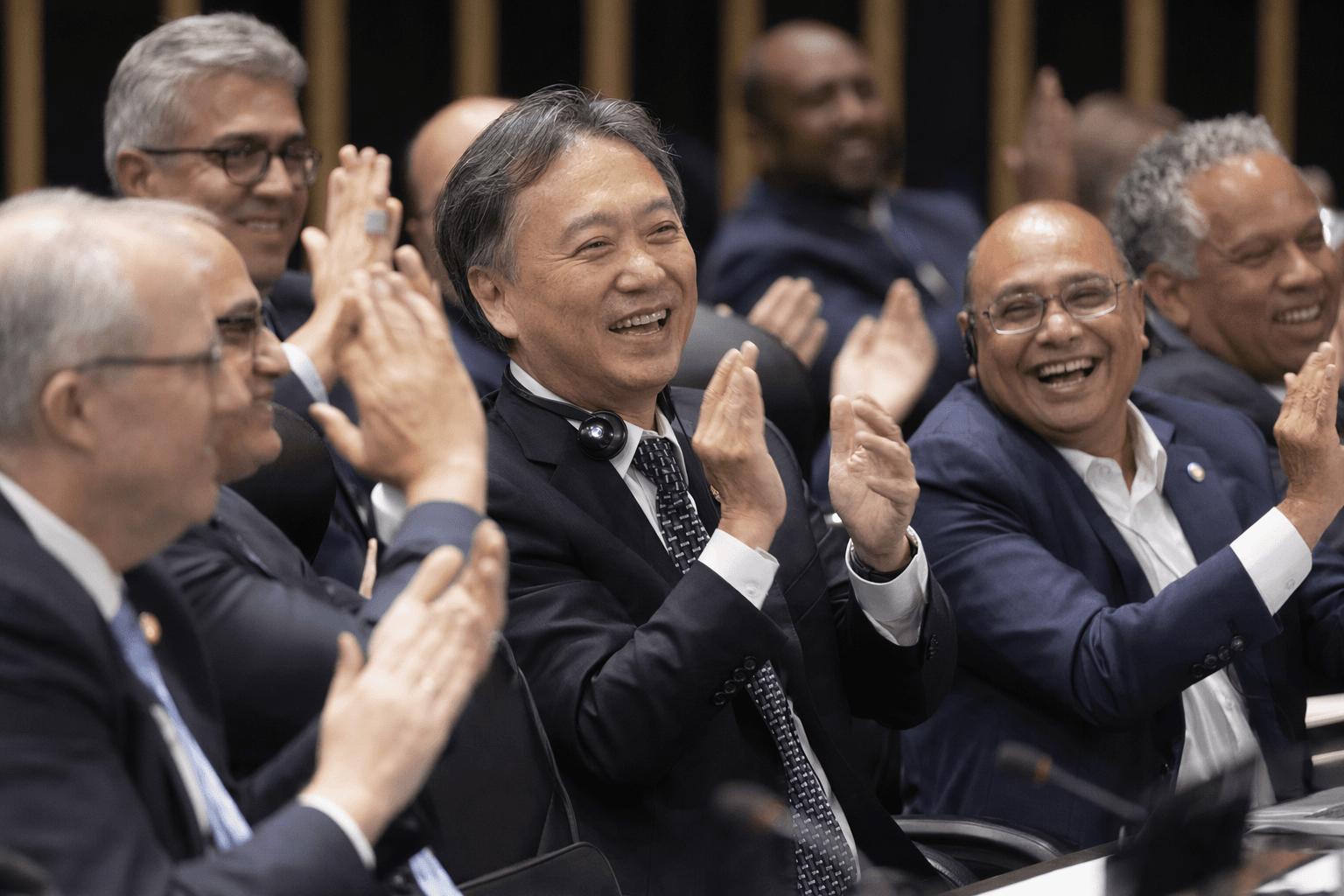
The biggest consequence is inside the machinery of the sport. A clearer constitution should make it easier for the ITTF to move on development, finance, safeguarding and leadership reform without the same level of procedural drift that can slow international federations. That matters for national associations too. When responsibilities are spelled out more cleanly, there is less room for ambiguity over who leads, who reviews and who can block a change. In plain terms, the people closest to the table, from administrators to athletes, should be operating under a more defined chain of command.
The governance overhaul also reflects where the ITTF wants its power to sit. Sörling linked the new constitution to a leadership structure that is younger, more gender-balanced and more globally representative. That is a political shift as much as an administrative one, because it changes who is likely to shape the sport’s agenda in the years ahead. Member associations that are active in the process stand to gain influence, while federations that rely on old habits and informal leverage may find the new setup less forgiving.
The AGM also spotlighted the broader membership base, with Peru receiving the Most Active Member Association award. That detail matters because the ITTF is clearly treating engagement as part of its growth model, not a side note. For the next year, the constitution should have the greatest effect on how quickly the federation can act and how easily those actions can be challenged. It does not announce a new rankings system or hosting process on its own, but it gives the ITTF a sturdier platform to shape those debates with less friction and more authority.
This article was produced by Prism’s automated news system from verified source data, official records, and press releases, then run through automated quality and moderation checks before publishing. The system is built and supervised by the people who set the standards it runs under. Read our full AI policy.
Did this article answer your question?