ITTF elects new Athletes’ Commission after 300-plus votes cast worldwide
More than 300 votes helped install a global Athletes’ Commission, but the real test is whether it can change how players are heard.
More than 300 votes cast across the world gave the International Table Tennis Federation a new Athletes’ Commission, and the turnout was the clearest sign yet that the sport’s players want a bigger say in how the game is run.
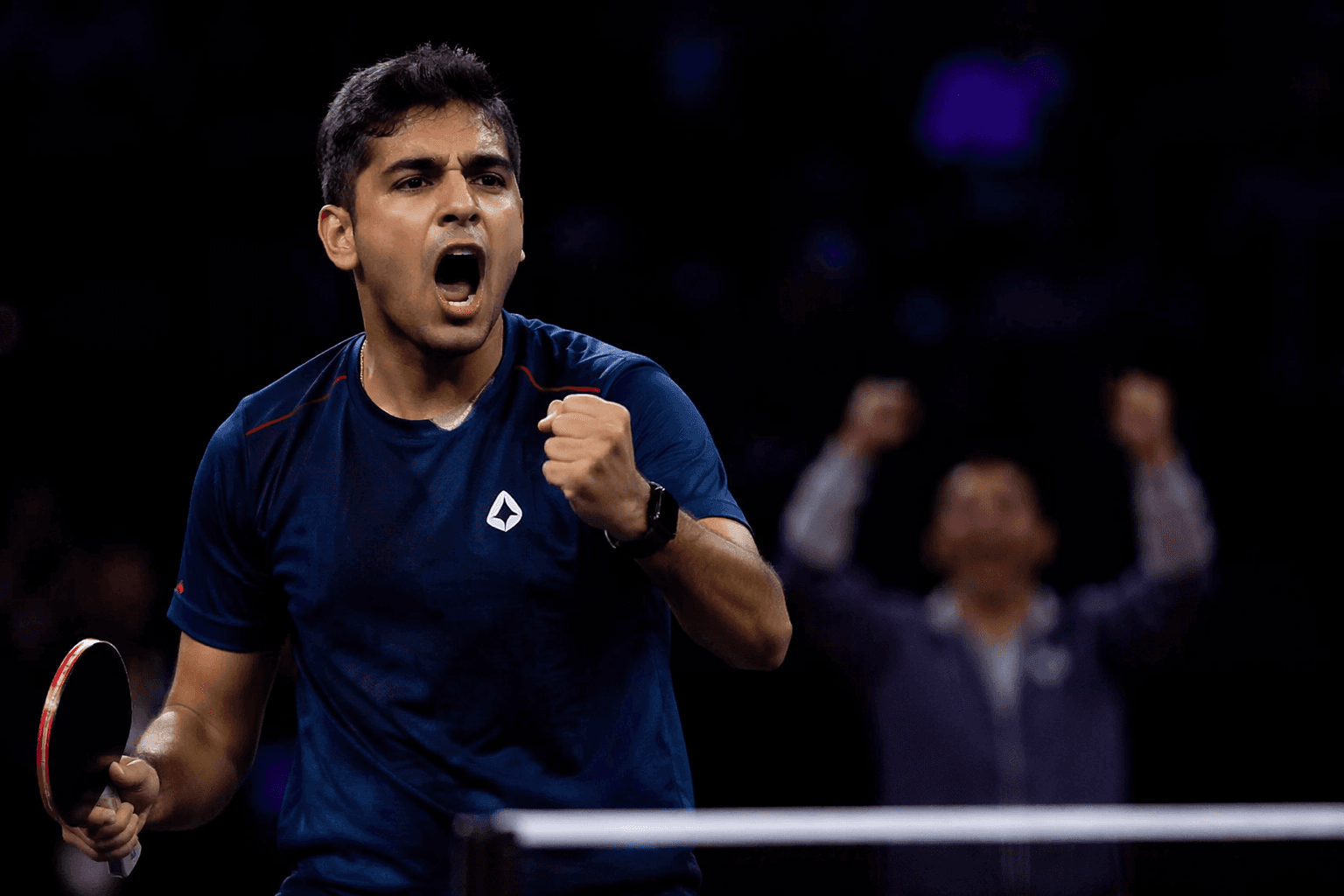
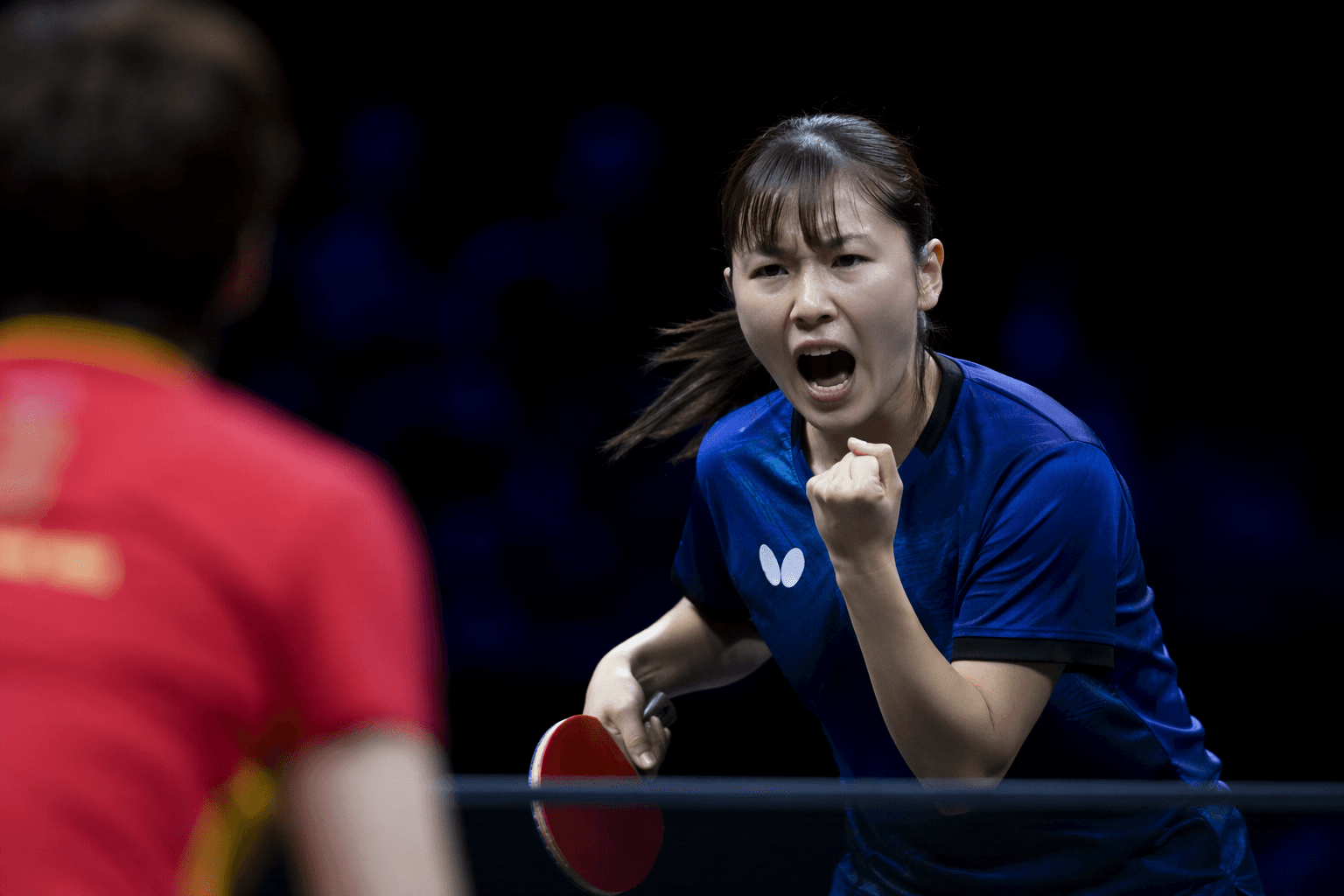
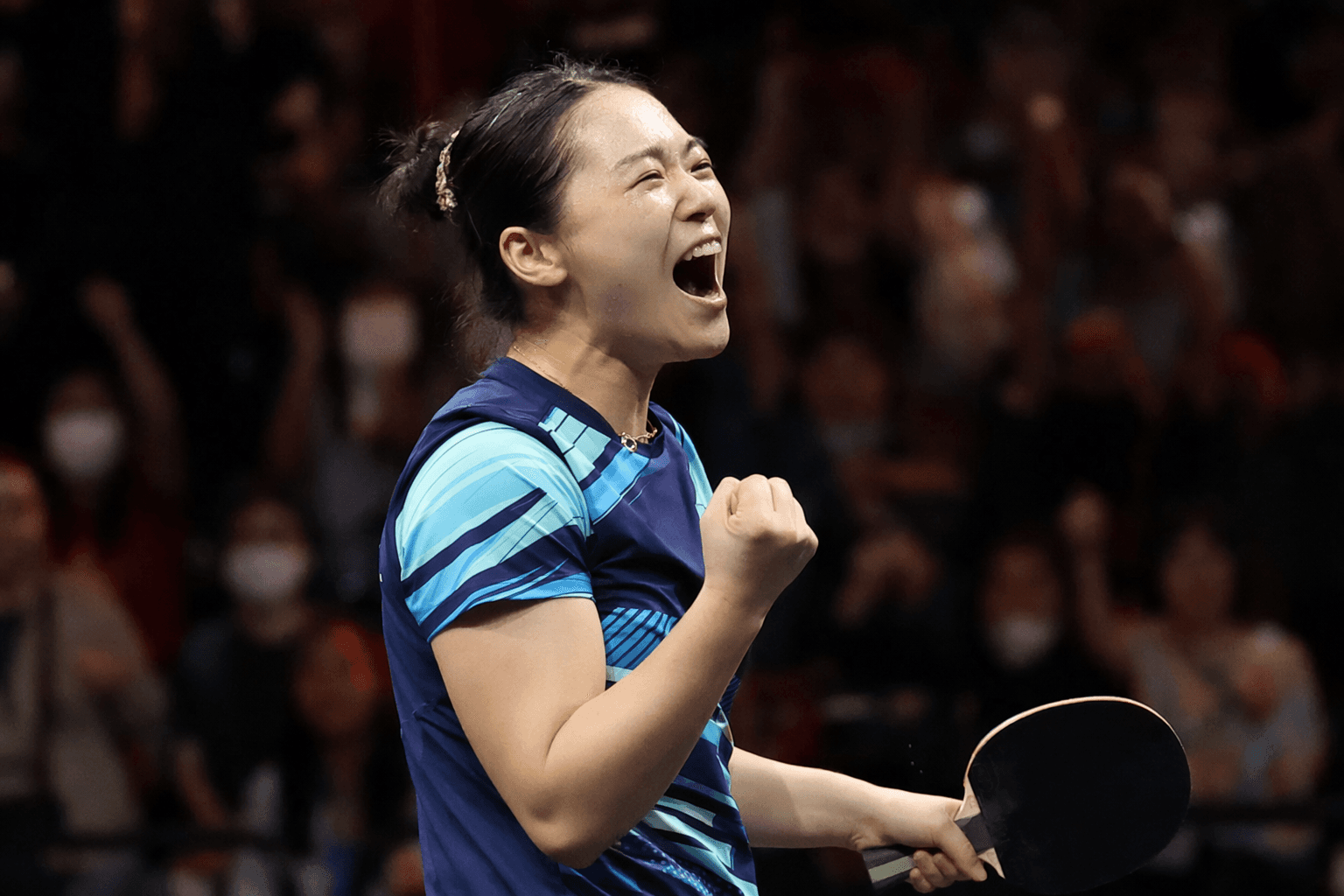
The eight elected able-bodied members are Sharath Kamal Achanta, Charlotte Carey, Celia Baah Danso, Paul Drinkhall, Sami Kherouf, Alberto Miño, Elizabeta Samara and Liu Shiwen. Jack Hunter-Spivey and Tahl Leibovitz complete the commission as the two Para table tennis representatives, giving the body a mix of able-bodied and Para voices from Africa, the Americas, Asia and Europe.
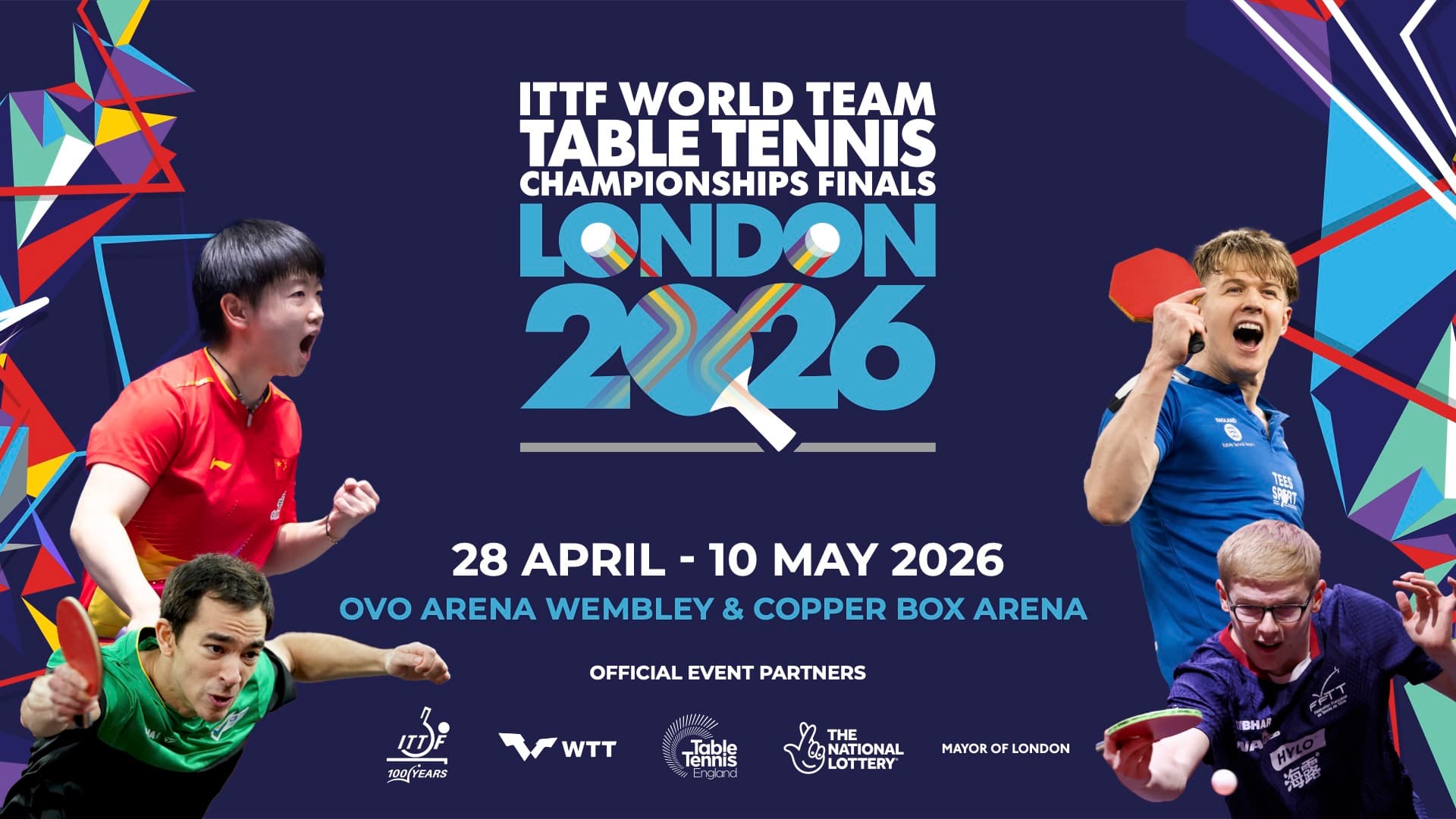
The voting came during the seven-day 2026 World Team Table Tennis Championships Finals in London, and the election phase closed on May 4. The candidate list had been published on March 28, after a nomination deadline of February 19 at 23:59 CET. That timeline matters because the ITTF wanted this to feel like a proper worldwide exercise, not a hand-picked advisory panel.
That is the bigger story here. The commission is supposed to do more than sit in a meeting and nod along. Under the ITTF’s Terms of Reference, it is built to feed athlete experience directly into federation decision-making on rules, regulations and other policies that shape careers fast. In table tennis, that means the first real tests are not ceremonial. They are practical: calendar load, prize money, safeguarding, travel strain and ranking rules.
The structure of the body was designed to give it legitimacy. The Terms of Reference call for ten elected athlete members, with possible ex officio IOC Athletes’ Commission members and up to two appointed athletes for diversity. The elected seats must include at least one athlete from each continental federation, along with four women and four men among the eight able-bodied seats, plus one wheelchair athlete and one standing athlete among the two Para seats. That is a lot of guardrails, and they exist for a reason: athlete commissions lose force quickly if they look narrow or tokenistic.
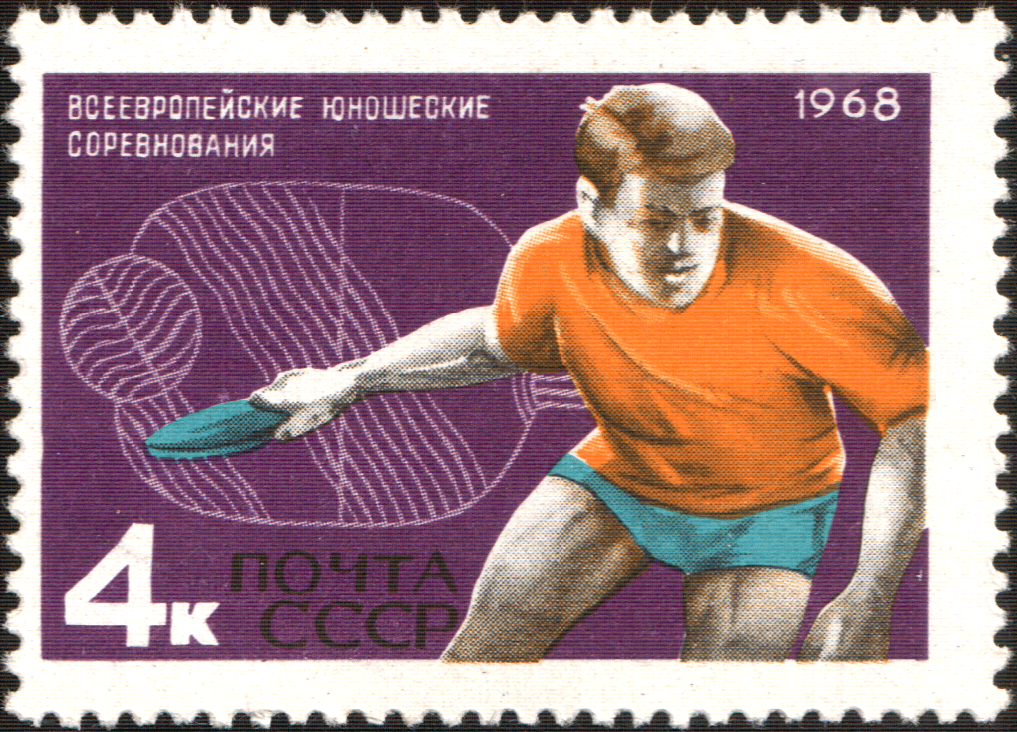
The timing also gives the election symbolic weight. The ITTF says 2026 marks 100 years since both the federation’s founding and the first World Table Tennis Championships in London in 1926, which is why it has labeled this the Athletes’ Commission of the Centenary.
There is continuity in the cast, too. The ITTF said the 2022-2026 commission was co-chaired by Sharath Kamal Achanta and Liu Shiwen, and its archive shows the commission was reconfigured in 2018 with elected, Para and appointed members. The names change, but the fight stays the same: turning athlete representation into actual leverage inside the sport.
This article was produced by Prism’s automated news system from verified source data, official records, and press releases, then run through automated quality and moderation checks before publishing. The system is built and supervised by the people who set the standards it runs under. Read our full AI policy.
Did this article answer your question?