ITTF names 10 presidents for new leadership programme
ITTF put 10 federation presidents into a six-month leadership track that could reshape funding, governance and development pathways across 227 member associations.

The ITTF has moved leadership training from rhetoric to results by naming 10 federation presidents for a new six-month programme that could affect how table tennis is funded, governed and delivered in their countries. The inaugural cohort, run with Questline, reaches South Africa, Botswana, Nigeria, Congo Brazzaville, Peru, Pakistan, the Netherlands, Belgium, Iceland and Palau, giving the federation a small but strategically chosen group of decision-makers with direct influence over national programmes.
The selected presidents are Thabang Godfrey Theiso of the South African Table Tennis Board, Kudzanani Motswagole of the Botswana Table Tennis Association, Adesoji Tayo of the Nigeria Table Tennis Federation, Aimé Christian Wonga of the Congo Brazzaville Table Tennis Federation, Magali Montes Obregon of the Peru Table Tennis Federation, Ahmer Mallic of the Pakistan Table Tennis Federation, Irene Faber of Nederlandse Tafeltennisbond, Jean-Michel Mureau of the Royal Belgian Table Tennis Federation, Audur Tinna Adalbjarnardottir of the Icelandic Table Tennis Association and Dillon Meriang of the Palau Table Tennis Association. ITTF said the group spans five continents, underscoring how widely the federation wants its influence to travel.
The programme was first announced on 27 April 2026 and was launched publicly at the ITTF World Team Table Tennis Championships Finals London 2026. ITTF says it is structured around five phases that move participants from learning to insight, from insight to impact and from impact to legacy. That sequence matters because the real prize is not classroom language but sharper national governance, stronger event delivery and better pathways for athletes trying to move from domestic systems into international competition.
ITTF also said each yearly cohort will feed into an evolving ITTF Leadership Insights Report, creating a knowledge base for future presidents and member associations. That gives the project a policy edge beyond simple professional development: the lessons gathered from this first group could shape how federations approach club growth, talent pipelines, compliance and sustainability across the sport.
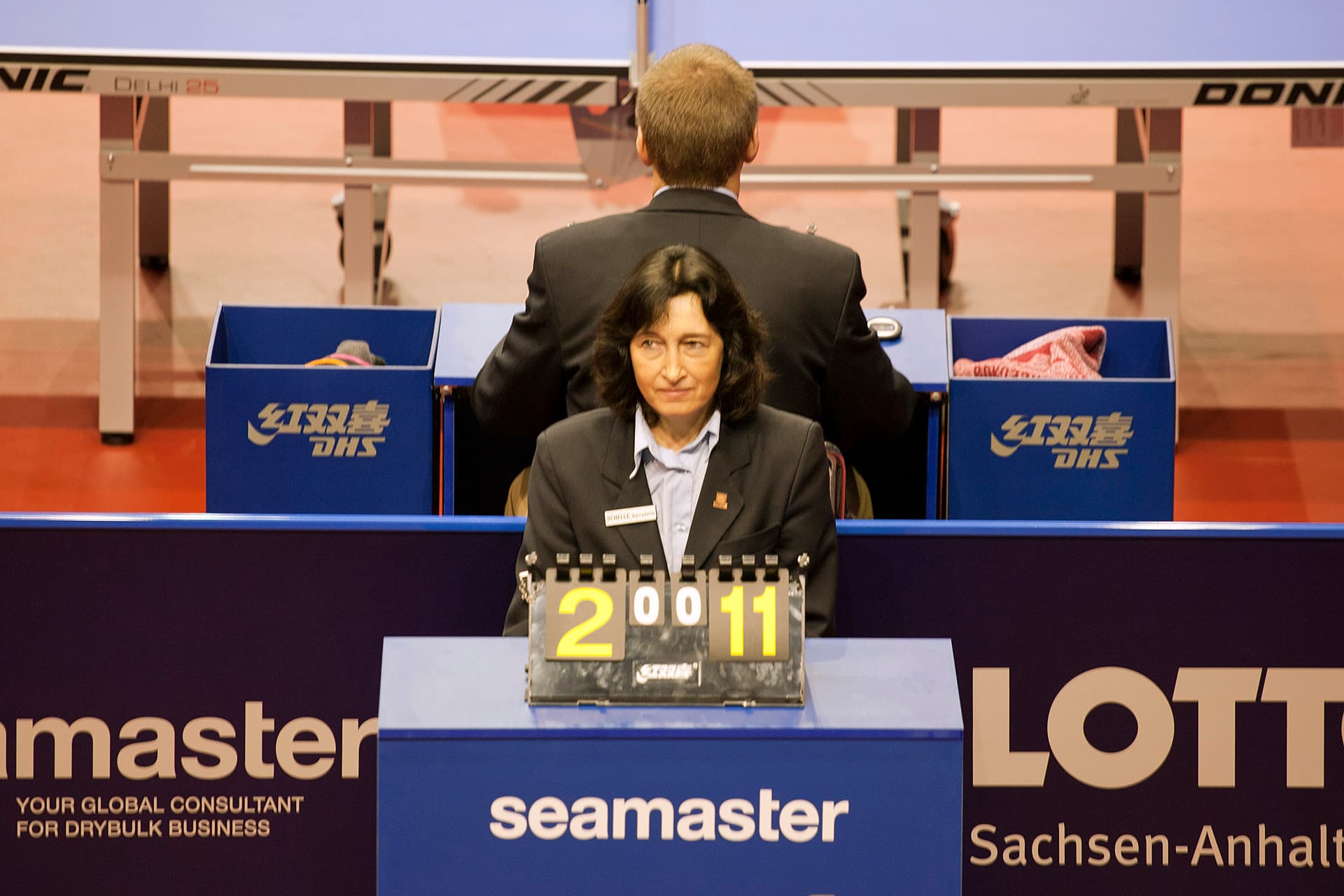
The launch lands in ITTF’s centenary year. Founded in 1926, the federation is marking 100 years in 2026 and says it now has 227 member associations, the highest number among international sport federations. Its 2026 Participation Programme adds scale to the pitch, with 76 member associations involved in 2025, 133 activities delivered, 9,802 participants reached and 45 percent female participation overall.
The timing also fits a wider structural reset. On 2 March 2026, ITTF said it created a dedicated Member Associations Department to bring development, education, governance, institutional legal and sustainability work under one roof. With London hosting the centenary World Team Championships Finals and Dakar set to stage the first-ever IOC Youth Olympic Games in Africa, the federation is using 2026 to push a simple message: leadership capacity is now part of competitive advantage.
This article was produced by Prism’s automated news system from verified source data, official records, and press releases, then run through automated quality and moderation checks before publishing. The system is built and supervised by the people who set the standards it runs under. Read our full AI policy.
Did this article answer your question?