ITTF World Masters in Gangneung spotlights inclusion through Parkinson’s players
Christine Knapp and Stefan Sigfridsson turned Gangneung into more than a Masters stop, giving the ITTF Foundation a live case for inclusion, access, and health-driven growth.
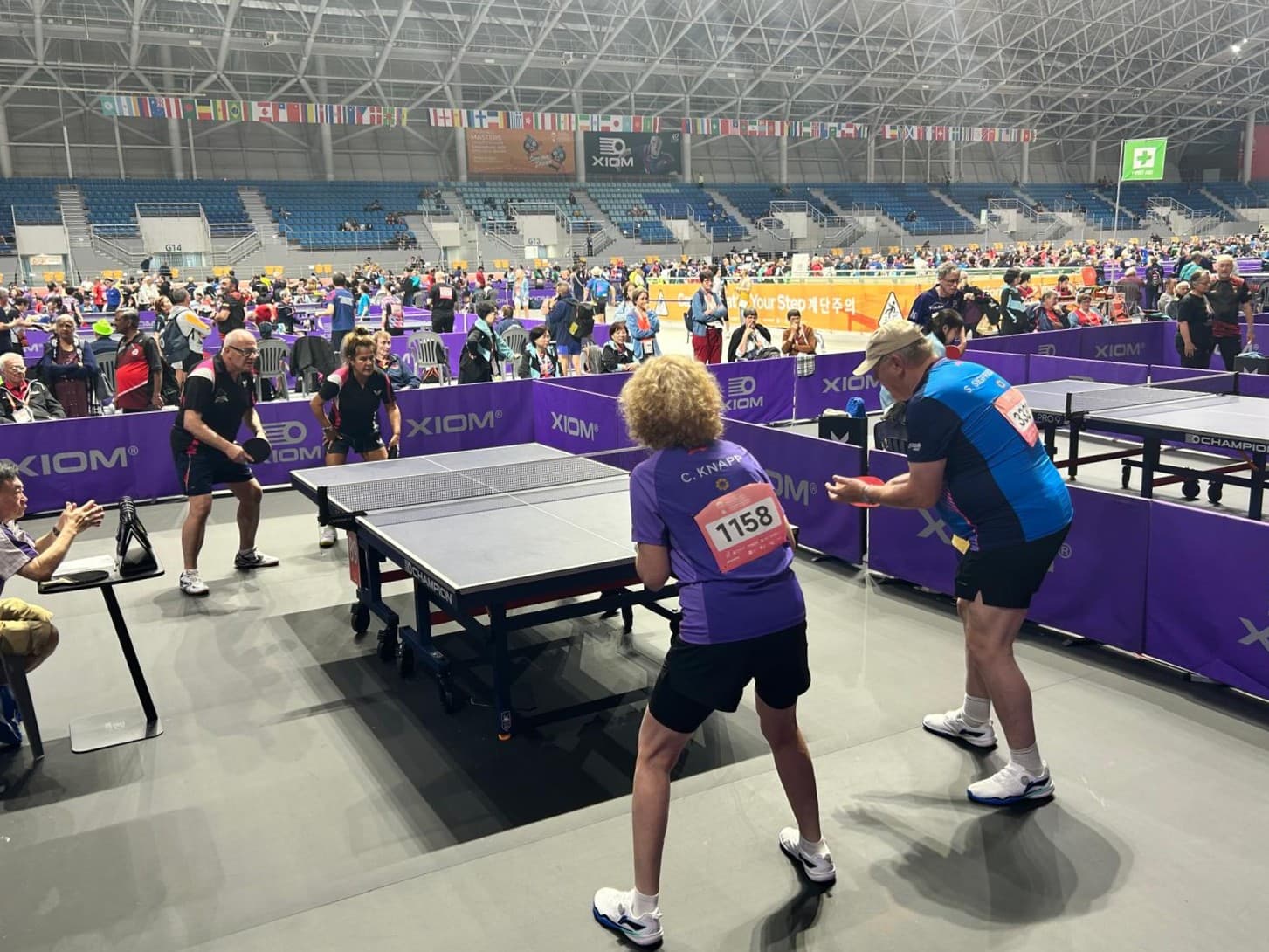
Table tennis’s Masters stage in Gangneung was not just about age-group trophies. Christine Knapp and Stefan Sigfridsson gave the ITTF Foundation a sharper argument: the sport grows when it makes room for players living with Parkinson’s, not when it treats them as a side story.
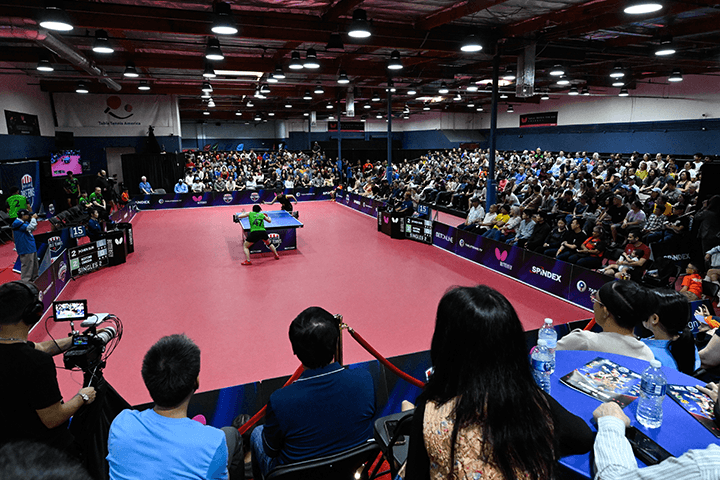
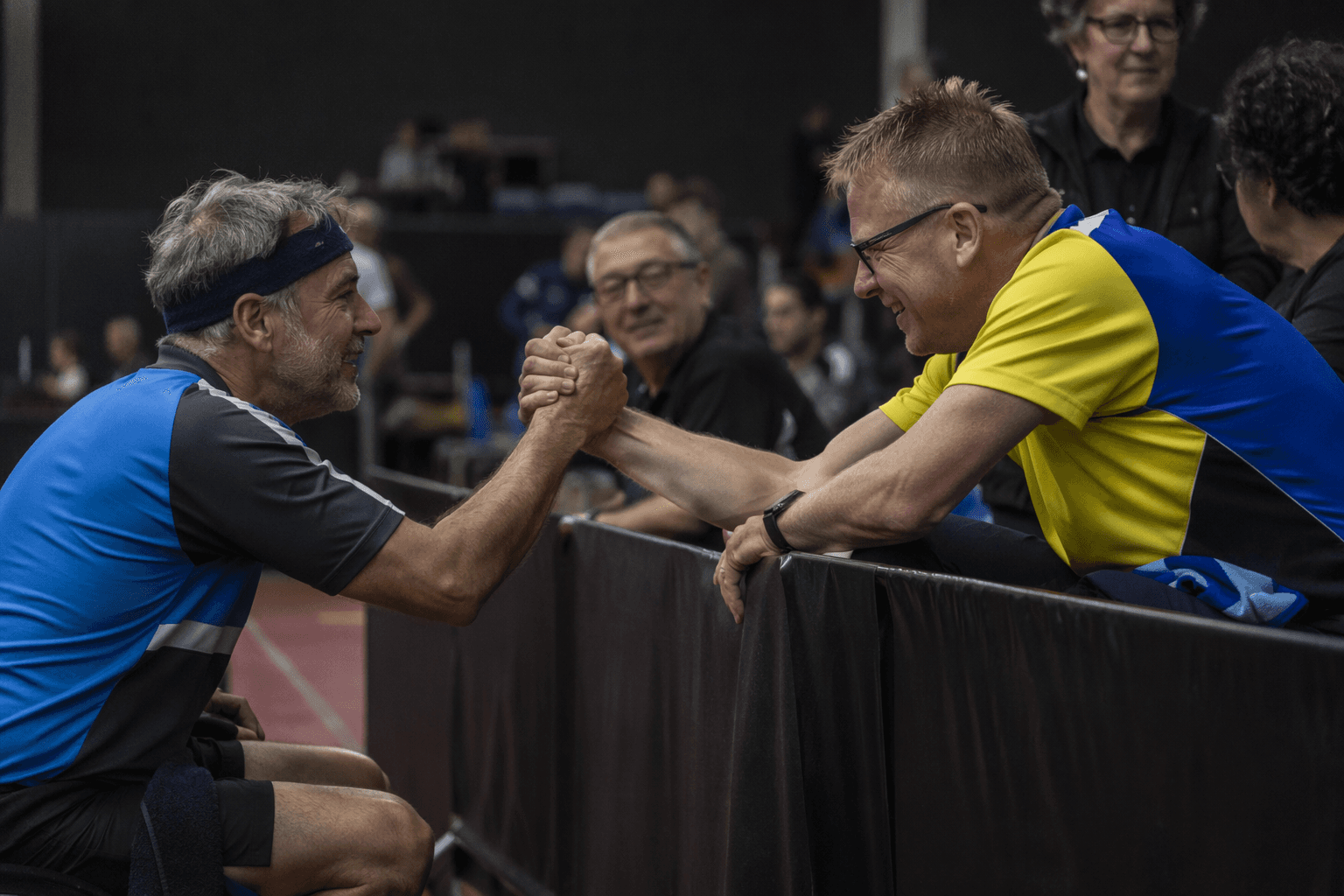
The two were selected from participants in the 2025 World Table Tennis for Health Festival and competed in singles, doubles and mixed doubles at the ITTF World Masters Championships Gangneung 2026, which ran from June 5 to 12 at Gangneung Arena in Korea Republic. The Foundation said Knapp and Sigfridsson completed 22 matches across five days and both recorded victories, a detail that matters because this was not a ceremonial appearance. They were in the draw, on the table and winning points in a tournament that closed with close to 3,000 players from over 85 countries and territories.
That scale is exactly why the story resonated. Gangneung 2026 sat inside the ITTF’s centenary year, 100 years after the federation was founded in 1926, and it was staged in a venue with Olympic pedigree at Gangneung Arena, used during the PyeongChang 2018 Winter Games. The event’s first registered participant was Hyun Jung-hwa, the Korean legend and the only Korean player to complete a World Championships Grand Slam, which underlined the mix of elite history and broad participation that defines the Masters. In that setting, the Foundation’s Parkinson’s players did not dilute the competition. They expanded its meaning.
Knapp’s profile gives the effort even more weight. The 59-year-old from Klagenfurt, Austria, was diagnosed with Parkinson’s in 2021, rediscovered table tennis in 2024, trains twice a week and had already won two medals at the Parkinson’s World Championships in Helsingborg. The Foundation’s model is becoming clearer with each event: identify players through its health pathway, put them on a major stage, and let the matches do the talking.
This was not the first time the Foundation had taken that route. It fielded two players with Parkinson’s at the World Masters in Rome in 2024, when Steve Morley and Agnes Jan competed among more than 6,000 athletes, and the ITTF later described that event as having nearly 10,000 participants, the largest table tennis event ever staged. Gangneung built on that template, with the Foundation also hosting an on-site booth to push its wider message about health, confidence and connection through the game.
That is the broader bet now facing table tennis’s governing bodies. Elite championships still matter, but the sport’s relevance increasingly depends on who gets through the door and what they find when they arrive. In Gangneung, the answer was clear: a court, a draw sheet and a place in the event for players whose presence made the tournament bigger than the scoreboard.
This article was produced by Prism’s automated news system from verified source data, official records, and press releases, then run through automated quality and moderation checks before publishing. The system is built and supervised by the people who set the standards it runs under. Read our full AI policy.
Know something we missed? Have a correction or additional information?
Submit a Tip