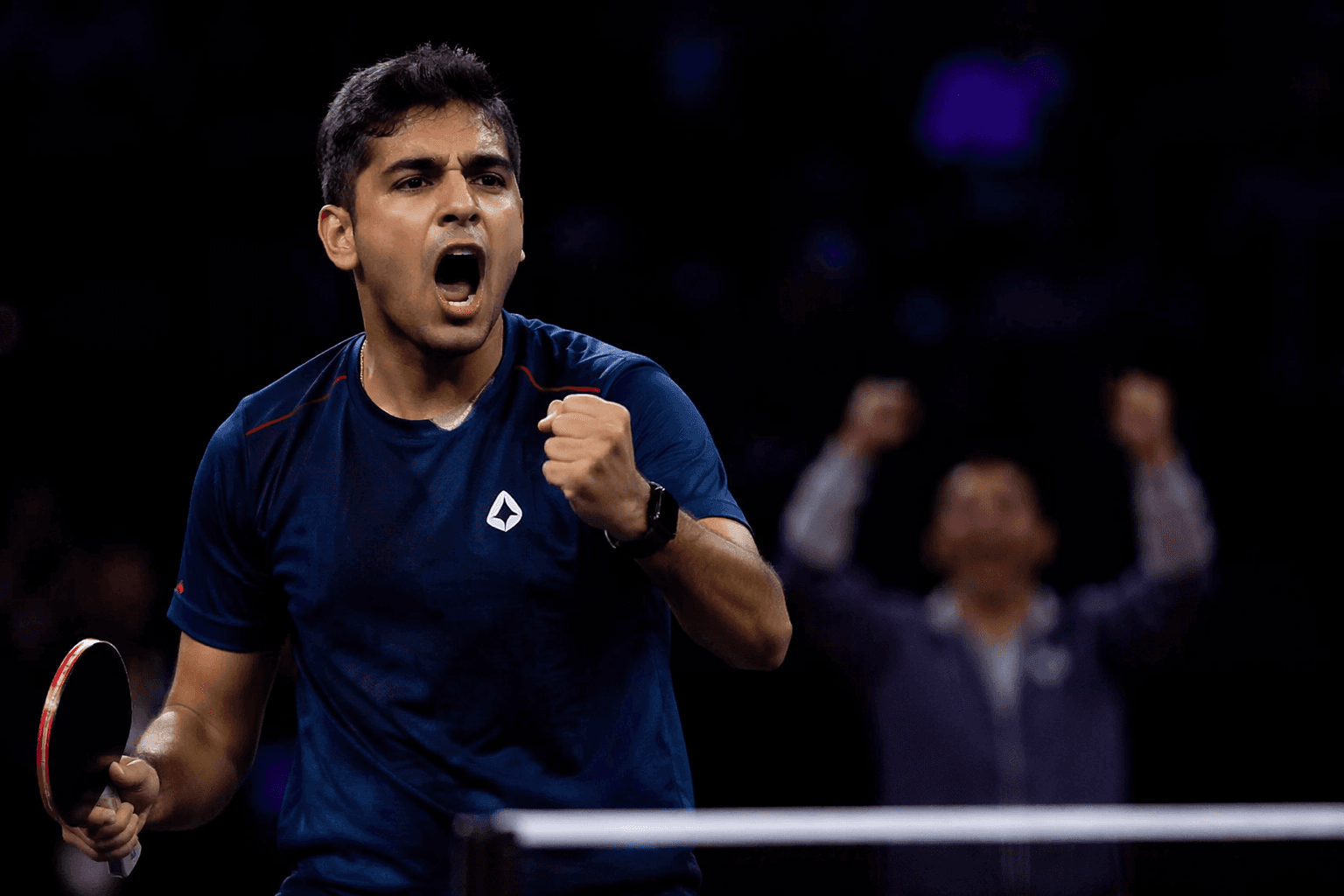
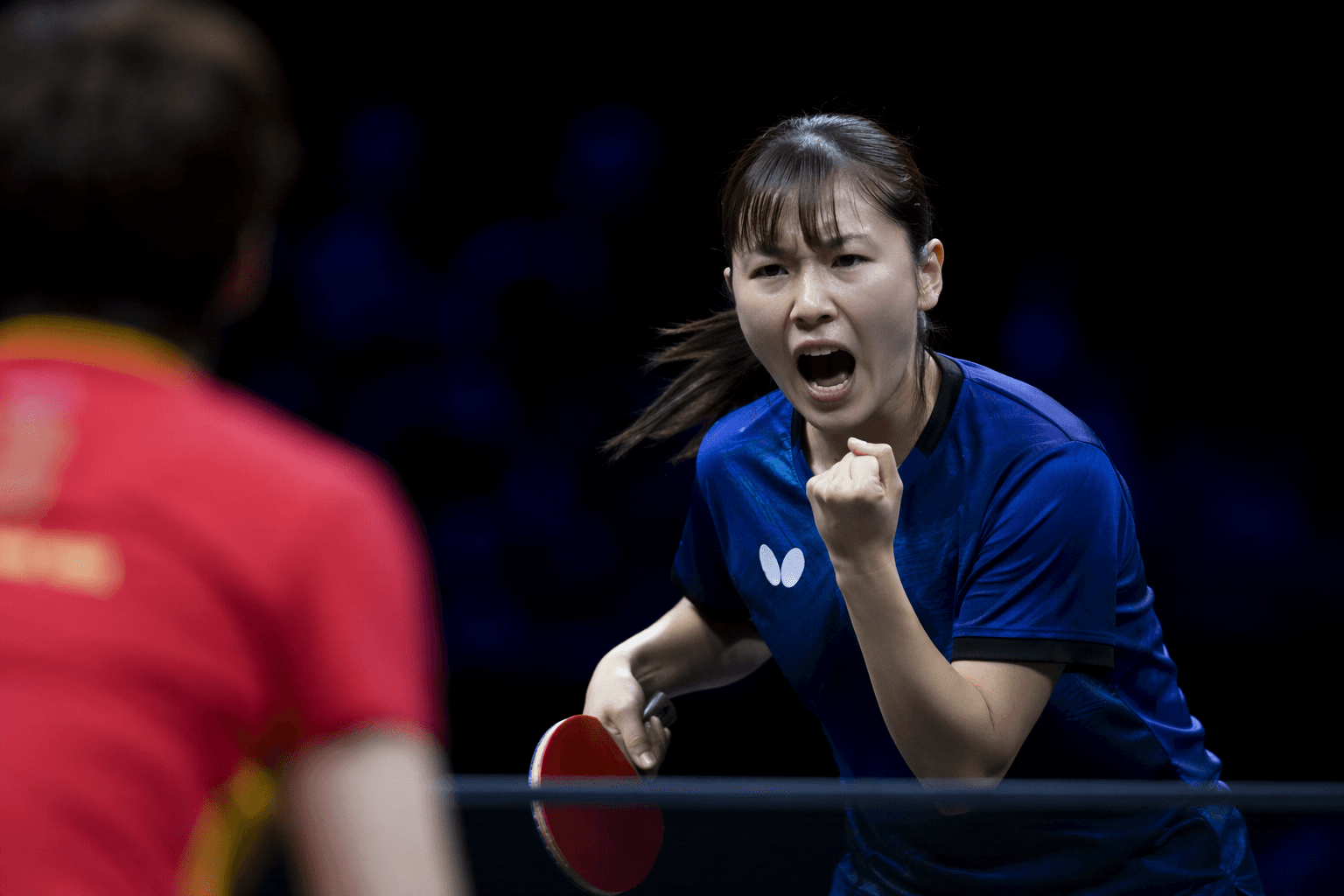
London 2026 World Team Championships deliver shocks, history and pressure
China's 3-0 sweep of Japan sealed a record 24th men's title, but the real story was the shocks: Sweden fell, France pushed, and Japan's men reached a final after 10 years.
A centenary stage that delivered pressure, not just pageantry
China's men did not glide through London 2026, they survived it. Their 3-0 final win over Japan sealed a record 24th Swaythling Cup, but the result mattered because the week had already produced rare group-stage defeats for the defending champions, a top-seed upset, and a semifinal scare that made the title race feel genuinely open.
The ITTF World Team Table Tennis Championships Finals ran from 28 April to 10 May 2026 across the Copper Box Arena and OVO Arena Wembley, bringing together 64 men’s teams and 64 women’s teams over 13 days. Table Tennis England said the tournament produced 240 team matches in total, and the finals drew more than 7,000 spectators to a sold-out Wembley, giving the centenary edition the scale and noise of a true showcase.
Why the setting changed the meaning of the results
London was not just another host city. It was a homecoming, returning the World Championships to the place where the first edition was played in 1926, and that history sat behind every big result. The men’s trophy, the Swaythling Cup, has been tied to the championships since that inaugural event, and every men’s team champion has lifted it since.
That backdrop made the pressure sharper, not softer. The sold-out final night at OVO Arena Wembley felt like the tournament’s full-circle moment, a week in which history, crowd size and competitive stakes all lined up. When the final came, it was not simply about finishing the draw, but about deciding which team could absorb the most expectation without breaking.
The shocks that changed the tone of the tournament
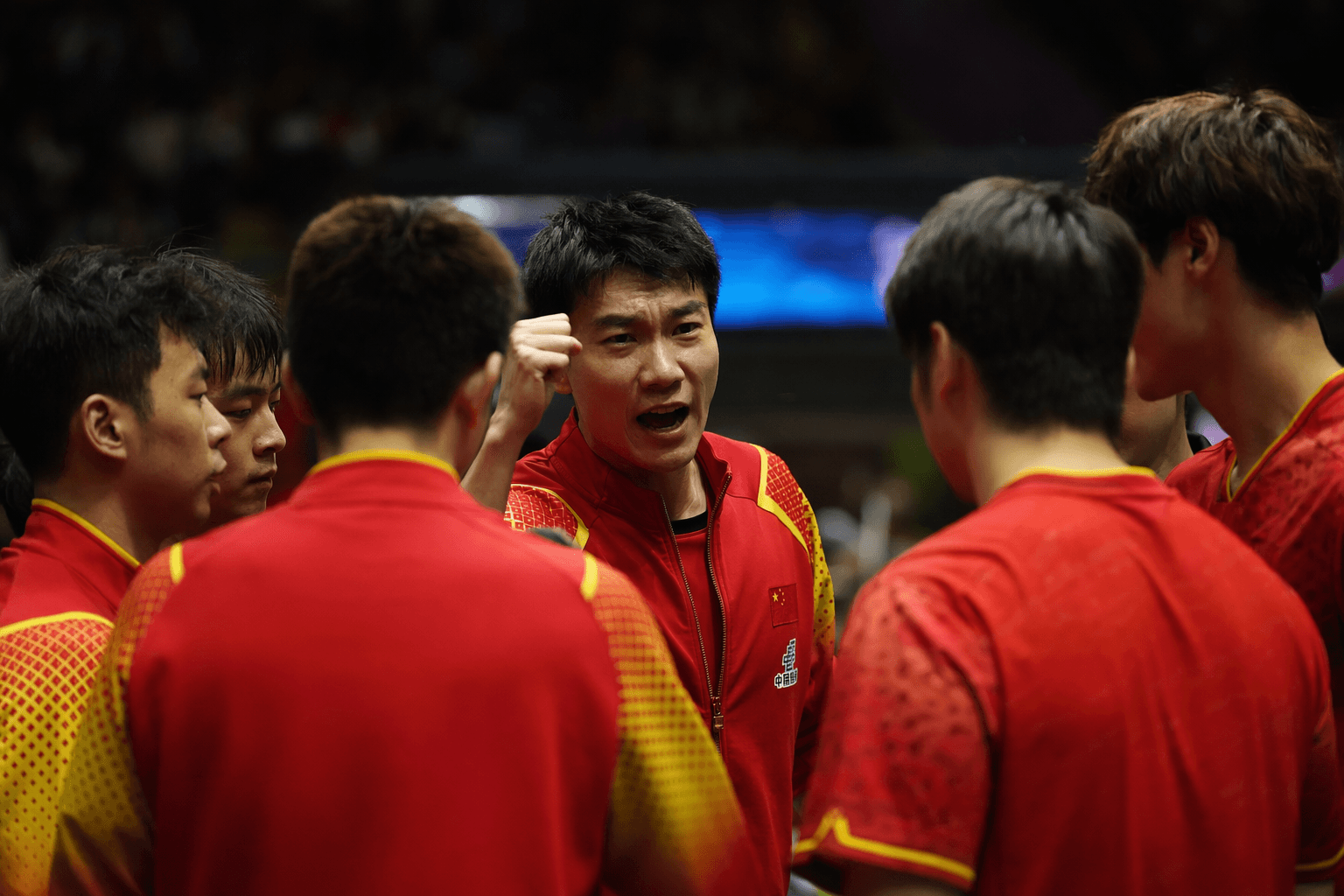
China’s path to the title was shaped by results that shifted the bracket and the mood around the hall. In the group stage, the men suffered rare defeats to Korea Republic and Sweden, losses that briefly knocked the aura off the reigning powers and made the knockout rounds feel less scripted. Those results mattered because they turned China from a presumed procession into a team that had to answer questions under pressure.
The biggest bracket shock arrived when top-seeded Sweden were knocked out by Chinese Taipei in the quarterfinals. That upset changed the competitive map immediately, removing one of the obvious title threats and underlining how much volatility the event carried once the matches became best-of-team contests rather than single rubbers.
Japan added to that tension by pushing through to the men’s final for the first time in 10 years. They beat Chinese Taipei 3-0 to get there, and the final itself was set for 4pm as a China-Japan showdown between the fourth and fifth seeds. The path mattered as much as the destination: Japan were no longer just a dangerous outsider, they were back in the sport’s biggest team match.
France also made China work for every step. In the semifinals, China survived a major scare against the French before booking their place in the final, a reminder that the eventual champion had been tested far more severely than a clean scoreboard would suggest. By the time China reached Japan, their title run had become a story of recovery, not routine.
China’s answer when the margin narrowed
The men’s final ended in the most emphatic way possible, with China beating Japan 3-0 to claim the record 24th world team title. That scoreline gave the championship its clearest message: the shocks had been real, but so was China’s ability to reset when the pressure peaked.
The women matched that standard by beating Japan in their final to claim their own 24th world team title. The double victory gave China a clean sweep of the team championships and reinforced how deep the country’s system still runs, even in a field where the draw had already proven it could punish complacency.
The contrast between the early wobble and the finish is what made London 2026 feel consequential. China were not dominant in a straight line, but they were dominant where it mattered most, in the elimination matches that decide titles, rankings, and the way the sport remembers a tournament.
A final day that felt larger than the trophy ceremony
The closing day added another layer to the championship’s meaning. IOC President Kirsty Coventry attended, rallied with Ma Long, Xu Xin, Liu Shiwen, Elizabeta Samara and Paul Drinkhall in practice, started the final day officially, and later presented the Corbillon and Swaythling Cups. That put one of the sport’s biggest administrative figures directly into the competitive atmosphere of the final session.
For London, the optics were powerful: a packed Wembley, centenary symbolism, and the sport’s most decorated names and current stars sharing the same floor. More than a ceremonial backdrop, it gave the championships the kind of finish that made the crowd feel part of the sport’s next chapter, not just its anniversary.
What London 2026 says about the next cycle
The lasting takeaway from London is not simply that China won again. It is that the field produced enough pressure points to make those wins meaningful, with Sweden exposed, France dangerous, Japan resurgent and Chinese Taipei capable of breaking seeds. Rankings still matter, but the week showed that momentum and match management can bend them quickly.
That is why London 2026 will be remembered as more than a centenary celebration. It was a tournament where the biggest title favorite had to earn every inch, where Japan announced itself again, and where the sport’s historical trophies still carried the same weight they did a century ago.
This article was produced by Prism’s automated news system from verified source data, official records, and press releases, then run through automated quality and moderation checks before publishing. The system is built and supervised by the people who set the standards it runs under. Read our full AI policy.
Did this article answer your question?