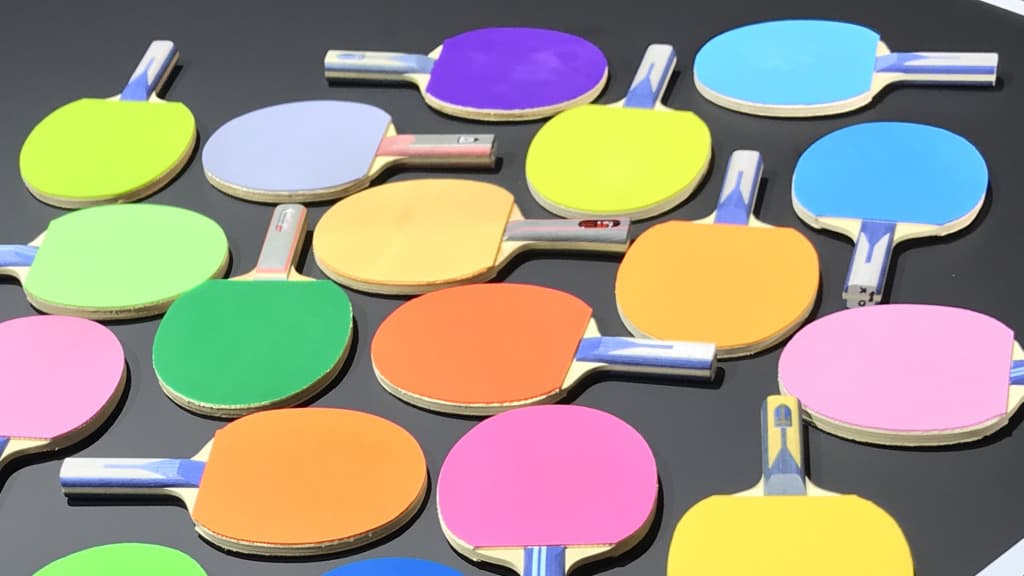
Ping pong's rise, from Victorian pastime to global sport
Table tennis started as a Victorian parlour game, then rules, a world federation and the 1988 Olympics turned it into a global sport.
Table tennis did not begin as a polished Olympic discipline. It started in England as a cramped indoor answer to lawn tennis, played with whatever was at hand, and then kept reinventing itself until the sport we know today took shape around speed, spin and standardization.
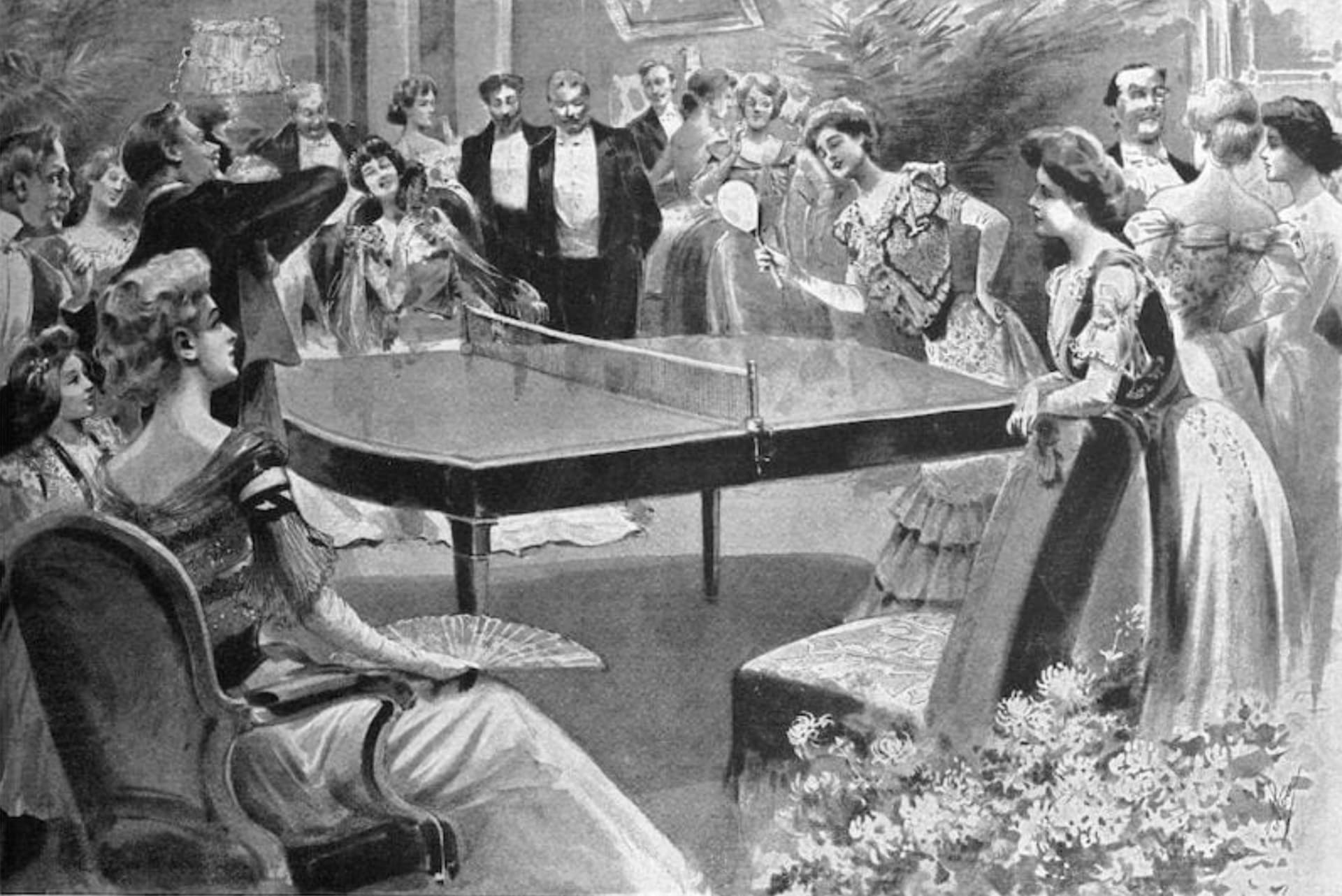
From Victorian parlour game to recognisable sport
The roots sit in upper-class Victorian England in the 1880s, where the game was used as a genteel after-dinner alternative to lawn tennis. Early versions could be improvised with a dining table, a line of books as the net and even a champagne cork as the ball, which tells you almost everything about the sport’s origin story: it grew from convenience, not from a grand design. The International Table Tennis Federation’s history material goes even further back, saying the game was probably played with improvised equipment in England during the last quarter of the 19th century.
That improvised beginning matters because it explains why table tennis never behaved like a heavy field sport. It was built for indoor space, quick reactions and makeshift equipment, which gave it a different rhythm from the start. The modern game still carries that DNA, even though the equipment, rules and competitive structure have long since replaced the parlor clutter that launched it.
Why “Ping Pong” mattered, and why “table tennis” survived
The name itself is part of the sport’s evolution. “Ping Pong” was trademarked in 1900 by Hamley Brothers in England, later tied to Jaques & Son Ltd, which helped push the formal sporting name “table tennis” into wider use. That split between a commercial brand and a broader game name became important as the sport moved from novelty to organized competition.
Names sound cosmetic until they start shaping how a sport is understood. “Ping Pong” evokes a toy-like pastime, while “table tennis” sounds like a sport with rules, structure and official competition. That distinction helped the game grow beyond the drawing room and into clubs, associations and eventually international governance.
The 1922 rules change that gave the sport a backbone
The decisive break from parlour chaos came in 1922, when Ivor Montagu helped codify the rules of table tennis. That was the turning point that made the game teachable, judgeable and repeatable from one place to another. Once the rules were fixed, skill could be measured against skill instead of against whatever local customs a room happened to use.
That change also changed who could dominate. In an improvised game, familiarity and social access can matter as much as technique. In a codified sport, the edge shifts toward training, tactics and consistency, which is how table tennis began to reward specialists instead of just the people who happened to know the informal version best.
1926: the sport goes international
The next leap came in 1926, when the International Table Tennis Federation was founded. NBC Olympics says that ratification followed meetings in London and Berlin, and the same year also brought the first World Championships. That combination gave table tennis the governance and the competitive calendar it needed to expand beyond Britain.
This was the moment the sport stopped being merely organized and became international. A federation creates standards across borders, and world championships give those standards meaning. From that point on, table tennis could be played, judged and compared in the same language everywhere from Europe to Asia, which is exactly what a global sport needs if it wants to survive beyond its birthplace.
Seoul 1988 gives table tennis its Olympic stage
Table tennis made its Olympic debut at the 1988 Summer Olympics in Seoul, a breakthrough that changed how the sport was seen outside its core fan base. Olympedia lists the competition from 23 September to 1 October 1988, with four medal events staged at Che-yuk-gwan and Seoul National University. That debut was not just symbolic. It put the sport on the biggest stage in athletics, where compact scoring, rapid exchanges and tactical serving could be broadcast to a worldwide audience.
The results in Seoul also showed that table tennis had already become deeply international. Yoo Nam-Kyu won the first men’s singles Olympic gold medal in the sport, and that mattered because it marked the start of an Olympic era in which Asia would be central, not peripheral. Olympedia’s broader Olympic record shows that table tennis has remained in the Summer Games since 1988, with men’s and women’s singles and doubles events.
Why the modern game looks nothing like its origins
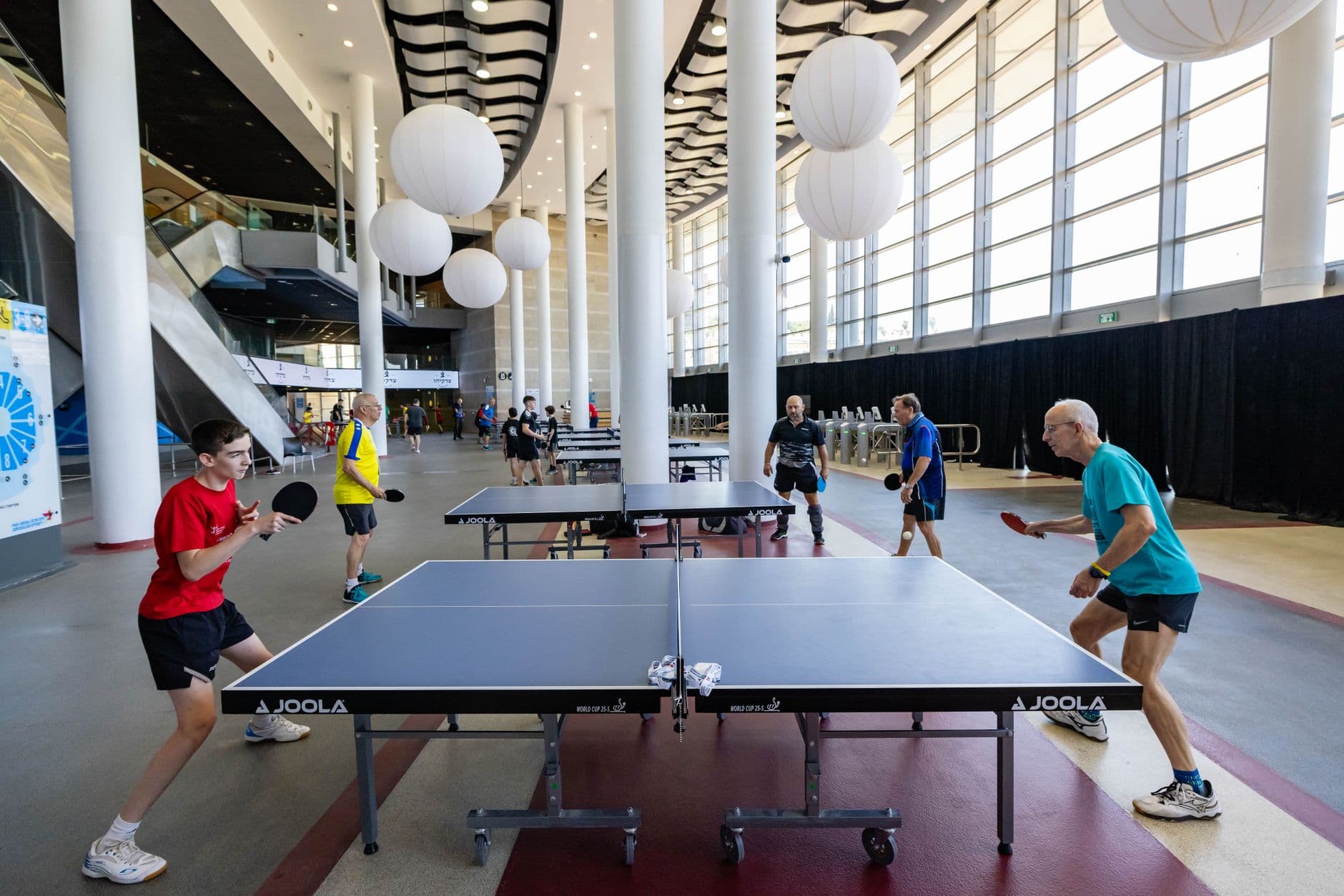
The through-line from Victorian pastime to Olympic medal sport runs through three hard checkpoints: late-19th-century English improvisation, Montagu’s 1922 rules codification and the 1926 creation of the ITTF, then the 1988 Olympic debut in Seoul. Each step stripped away a little more of the game’s improvisational haze and replaced it with structure, international comparison and elite specialization.
That is why modern table tennis feels so different from the toy-store image many people still carry around. The sport was once books for a net and a champagne cork for a ball; now it is governed by a federation, staged at world championships and contested for Olympic gold. The transformation is not a footnote in sports history. It is the reason table tennis became fast, global and television-friendly without ever losing the small-space intensity that made it unique in the first place.
This article was produced by Prism’s automated news system from verified source data, official records, and press releases, then run through automated quality and moderation checks before publishing. The system is built and supervised by the people who set the standards it runs under. Read our full AI policy.
Did this article answer your question?