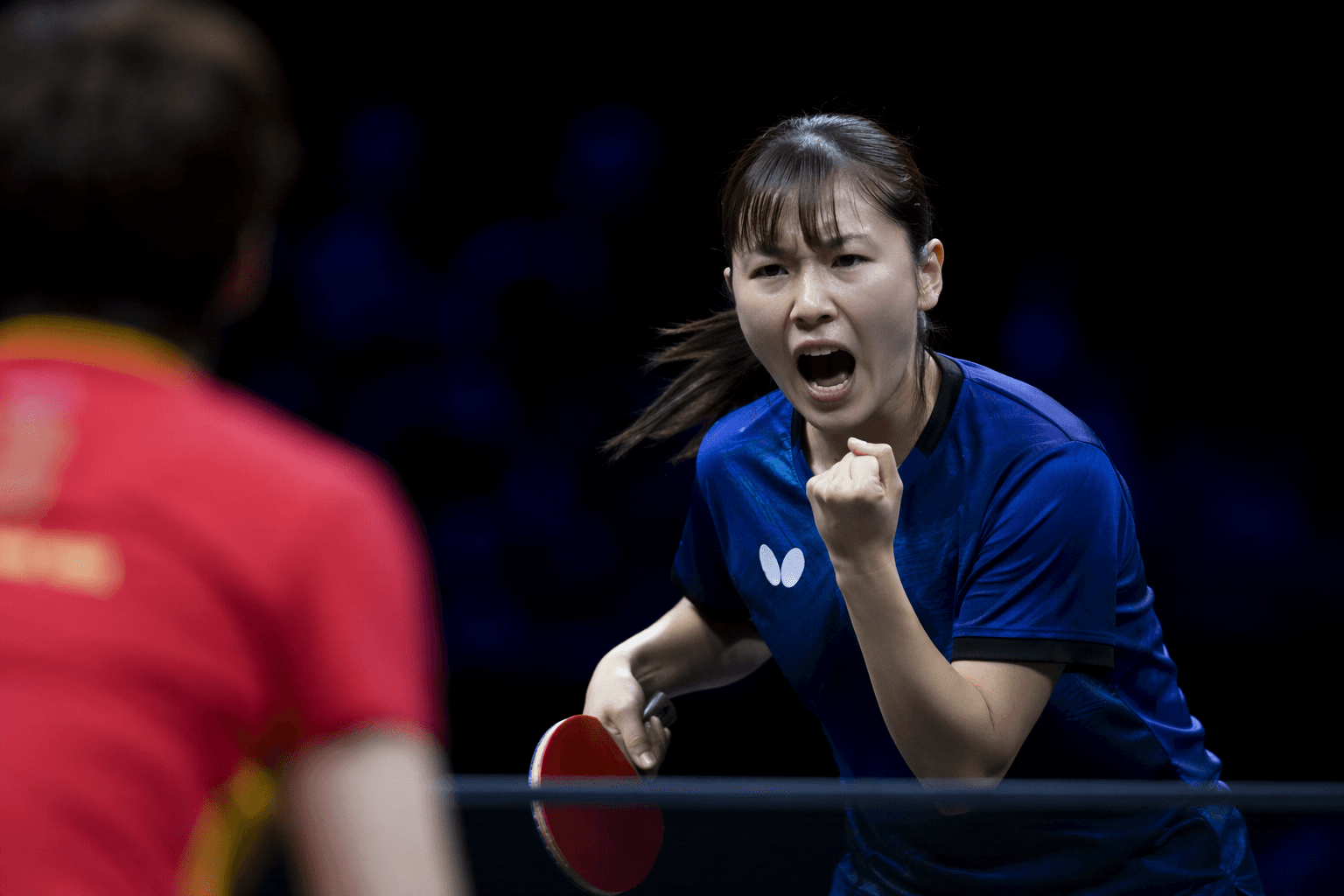
Tsinghua student launches browser demo of robot table tennis planning
A Tsinghua student’s browser demo exposes robot table tennis planning, showing ball paths, paddle contacts and target points in a sport where returns can demand sub-second reactions.
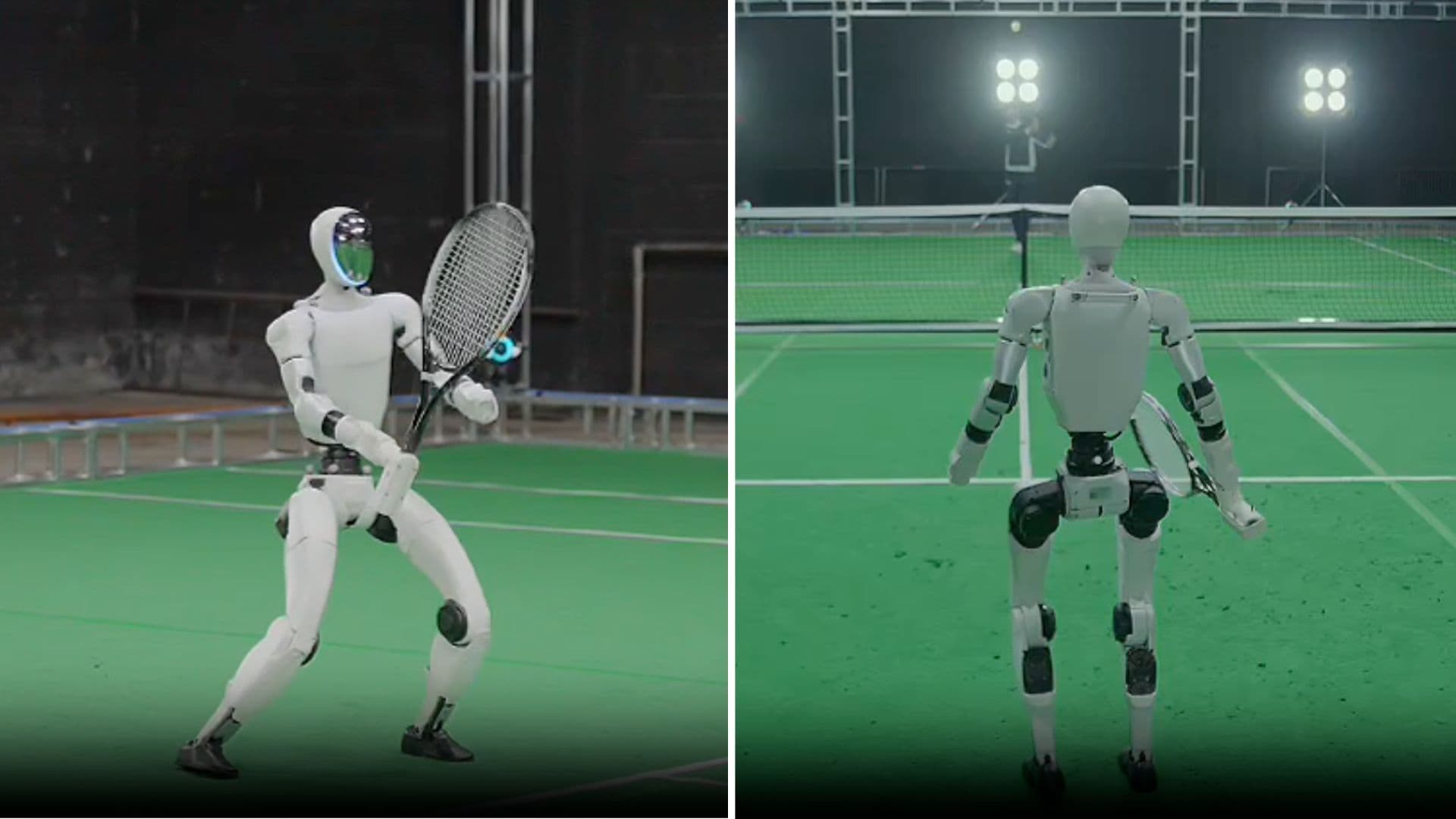
A Tsinghua University student has built an open-source browser demo that shows robot table tennis as a planning problem, not just a highlight reel. The visualization lays out ball trajectories, paddle contacts and planner targets, giving researchers and fans a clearer look at how a machine decides where to swing and where to place the next shot.
That matters because table tennis is one of robotics’ nastiest benchmarks. A recent humanoid table-tennis paper noted that ball speeds can top 5 m/s, which leaves little room for hesitation and forces perception, prediction and action to happen in sub-second windows. In a sport where the ball changes direction in an instant, the difference between a useful system and a toy demo is whether you can see the timing logic behind the strike.

The new browser tool makes that logic easier to inspect. Instead of hiding the decision chain inside video playback, it surfaces the moving parts of the rally: where the ball is headed, where the paddle meets it and what target the planner is chasing. For embodied AI work, that kind of visibility is practical. It lets researchers debug behavior, students study control choices and outside observers see whether a robot is actually learning to play or simply reacting to a narrow set of scripted situations.
The project also fits Tsinghua’s broader embodied-AI push. Huazhe Xu, a tenure-track assistant professor at the Institute for Interdisciplinary Information Sciences, leads the Tsinghua Embodied AI Lab, whose stated research directions include deep reinforcement learning, robotics, computer vision and tactile sensing. That places the demo inside an active research stack rather than a one-off stunt, with open repositories and robot-learning projects already part of the lab’s footprint.
The field itself is moving quickly. DeepMind’s competitive robot table tennis work has already shown visualization and replay tools for ball trajectories, alongside a MuJoCo model that incorporates fluid dynamics and realistic table-tennis interactions. HOPE, an open platform for humanoid robot table tennis developed by Hitch Interactive with the ROAR Platform at UC Berkeley, adds another sign that the sport is becoming a serious test bed for open robotics development.
Taken together, the browser demo does something the table-tennis robotics space badly needs: it lowers the barrier to seeing how these systems think. In a niche where speed is brutal and control is everything, transparency is not a nice-to-have. It is part of how the next round of progress gets built.
This article was produced by Prism’s automated news system from verified source data, official records, and press releases, then run through automated quality and moderation checks before publishing. The system is built and supervised by the people who set the standards it runs under. Read our full AI policy.
Did this article answer your question?