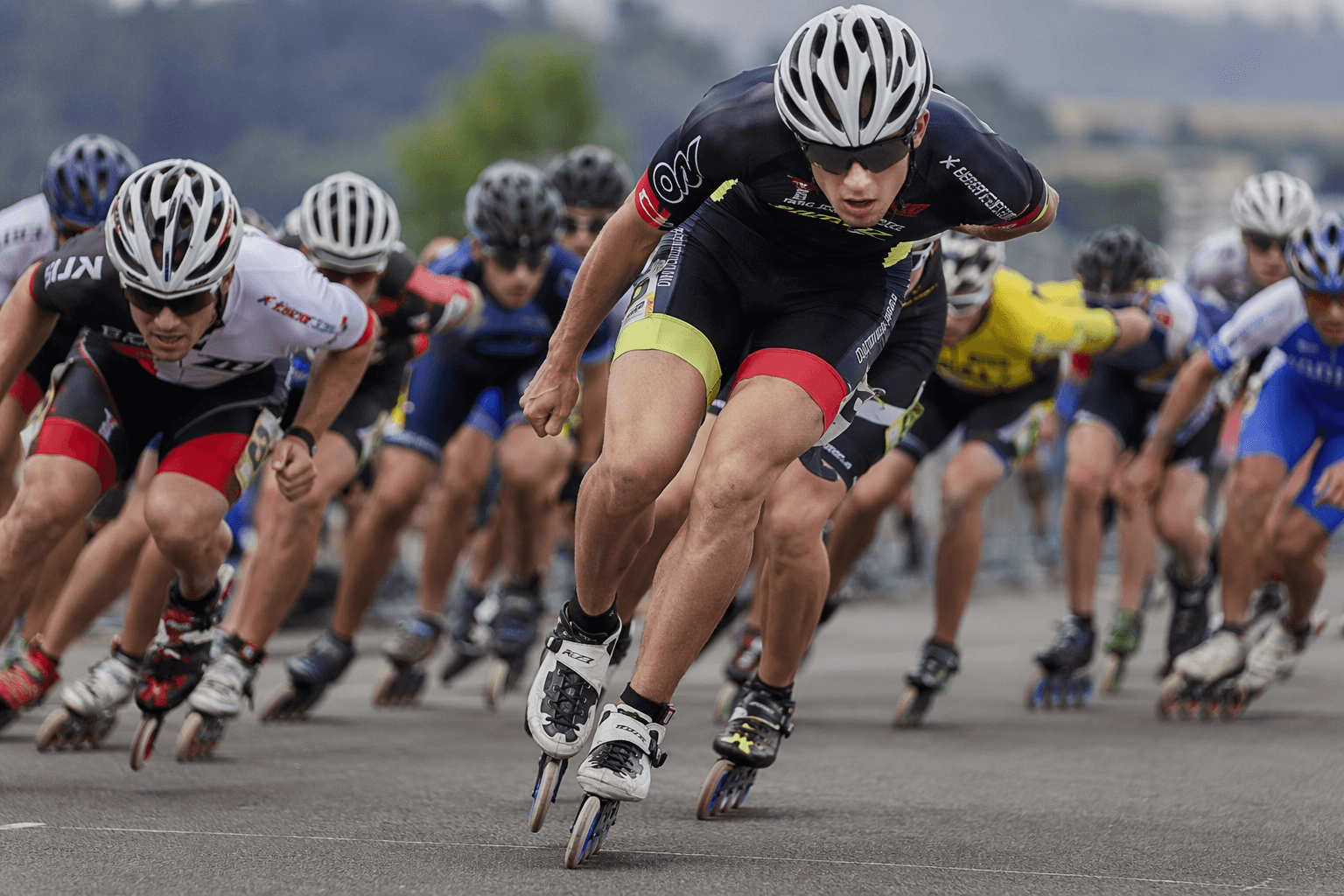
Inline speed skating rewards tactics, timing and clean positioning
Inline speed skating looks like a pure sprint, but the cleaner pass, better draft and smarter relay handoff often decide the podium.
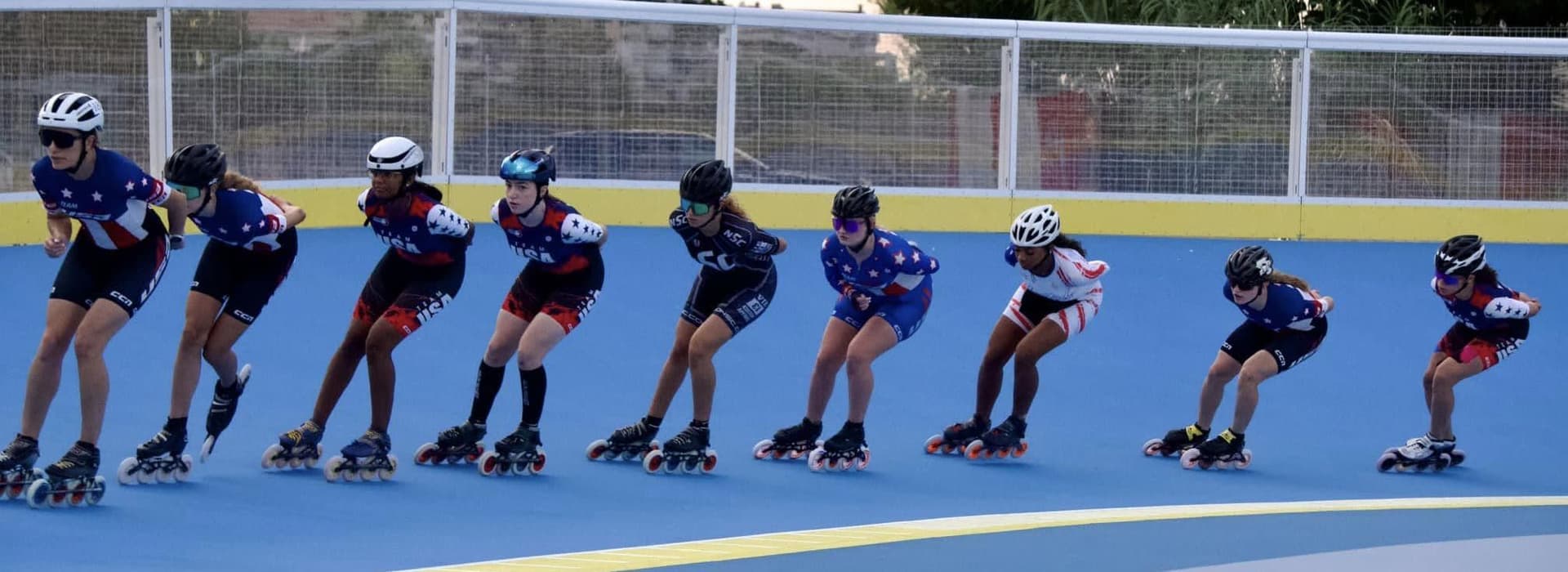
In a 500-meter sprint, the difference between gold and a penalty can be a fraction of a wheel. In inline speed skating, clean positioning, timing and discipline can matter as much as leg speed, because a push, block or forced lane change can erase a race in an instant.
Why the rules decide the race
USA Roller-Sports treats speed skating as a non-contact event, and that changes how every lap is run. Skaters can be disqualified for pushing, blocking, forcing another racer out of position, or using arms, legs or hands to impede a competitor, so the smartest move is often the one that stays legal while still stealing space. Approved helmets are required in competition.
That rule set creates one of the sport’s biggest outsider surprises: the leader is not automatically the favorite. Sitting on a rival’s wheel, waiting for the pack to stretch, and then slipping through a clean opening can be worth more than burning energy at the front too early. A racer who reads the pack well can win with patience, not just power.
World Skate, the governing body for skateboarding and roller sports recognized by the International Olympic Committee, governs speed skating through a detailed rulebook and technical standards.
How the track changes the tactic
The surface beneath the skates shapes the strategy. In the United States, indoor speed skating uses a 100-meter oval track for individual and relay events, which means the racing is tight, fast and full of repeated contact with the same corners. Every line matters, because a small mistake on a short oval can expose a skater to a pass or a penalty almost immediately.
Outdoor racing changes the math. Road courses are irregular closed loops or closed-road stretches with little or no opportunity to coast, while outdoor track racing is usually held on a 200-meter closed oval with banked sides. On a road course, endurance and drafting become central because skaters have to conserve energy through a less forgiving geometry. On a banked oval, the race can open up more sharply, with speed carried through turns and attacks launched from the right lane at the right moment.
A skater who is aggressive on a road loop may be exposed on a tight oval. A skater who can corner smoothly on a banked track may still struggle when the field turns tactical and the pace drops.
What clean passing actually looks like
A clean pass in inline speed skating is not just moving past someone. It is about entering space without creating illegal contact, keeping balance through the turn, and leaving yourself enough momentum to survive the next move. Because pushing and blocking can lead to disqualification, a skater often has to wait for the exact moment when the pack shifts and a lane opens naturally.
Picture a 500-meter sprint, a race that turns on racing lines, quick reflexes and decisive overtakes. In that setting, the winner is often the skater who gets the best corner exit and the cleanest inside line, not the one who throws the most aggressive shoulder movement.
Now picture a 5,000-meter points race in Beidaihe. That kind of race rewards controlled surges, because points are not just about crossing the line first once. They are about surviving the pace shifts, saving enough energy for scoring laps, and choosing when to commit. A skater who chases every move may empty the tank before the decisive stretch.
Why drafting and pack position matter
Drafting is one of the hidden engines of inline speed skating. Sitting behind another skater reduces wind resistance and lets a racer conserve energy for the late move, which is why the front of the race is not always the best place to be. In a packed field, the skater in third or fourth position may have a better tactical life than the skater pulling the group.
That is also why pack awareness is such a premium skill. A racer has to track not only the skater directly ahead, but the shape of the entire field: who is fading, who is looking for an inside lane, and where the pace may crack. In relay events, that awareness extends to teammates, since the exchange itself has to be clean and timed correctly to avoid losing all the speed the team worked to build.
Relays reward timing more than chaos
Relay races add another layer of discipline. Relay events can be run for two or four skaters and can be single-gender or mixed, which makes the event a test of coordination as much as speed. The exchange has to happen cleanly, because a bad handoff or a mistimed push can turn a winning position into a scramble.
Relay strategy is often built around rhythm. One skater builds pace, another reads the gap, and the final exchange is timed to preserve momentum through the corner.
Sprint, elimination, points, marathon and relay events all demand different instincts, even when the same athletes are on the same surface.
A global sport with deep roots
The first roller speed skating world championship was held in 1937 in Monza, Italy, for road racing. The broader roller-sports movement has been growing since 1924, and the scale of the sport became even clearer at the 2017 World Roller Games in Nanjing, China, where 61 national federations, 193 national teams and more than 3,000 athletes took part.
Beidaihe showed the modern version of the sport
The 2025 Speed Skating World Championships in Beidaihe, China, ran from September 13 to 21 and centered on the Beidaihe International Roller Skating Center, with its parabolic indoor track. World Skate counted six different countries winning gold across the opening finals.
In races like the 500m sprint and the 5,000m points event, one sharp decision can decide everything. Colombia was crowned world champion, extending a dynasty World Skate dates to more than three decades.
Track and road courses must be approved or certified by the federation’s facilities department.
This article was produced by Prism’s automated news system from verified source data, official records, and press releases, then run through automated quality and moderation checks before publishing. The system is built and supervised by the people who set the standards it runs under. Read our full AI policy.
Did this article answer your question?