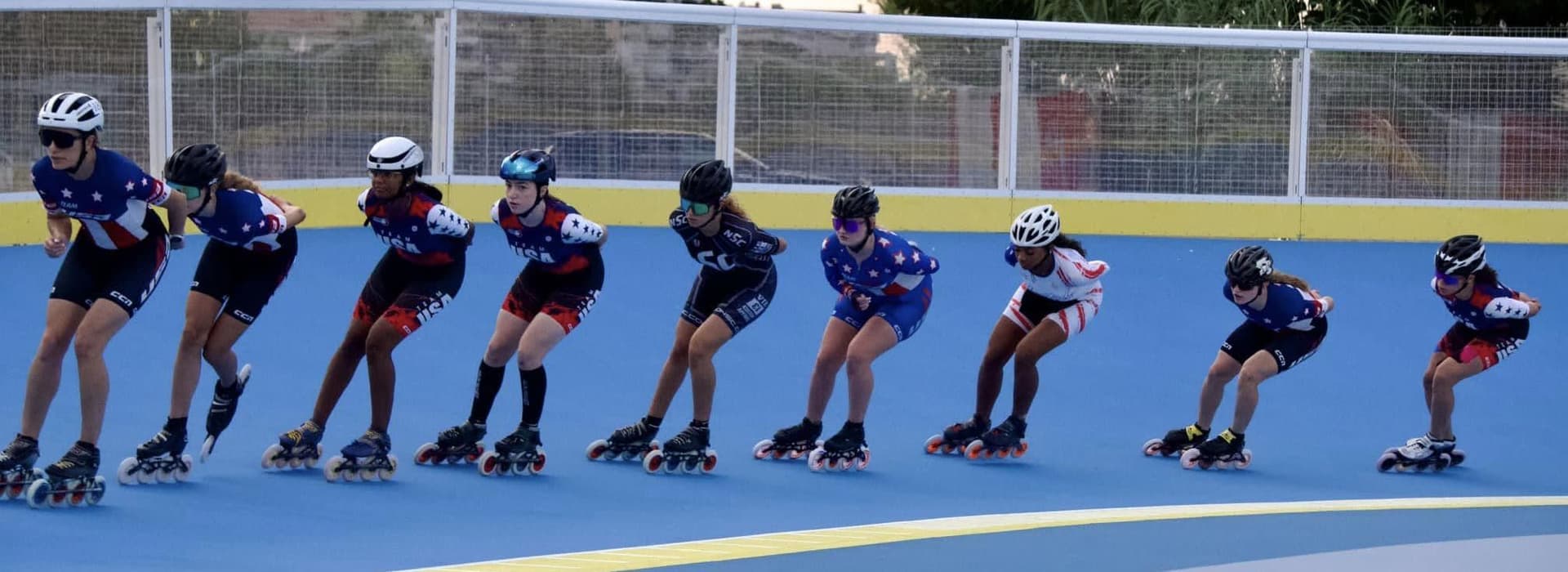
USA Roller Sports Hall of Fame honors skating excellence and leadership
USA Roller Sports' honors system reveals how skating earns legitimacy: medals matter, but so do coaches, officials, and service leaders who set the sport's standards.
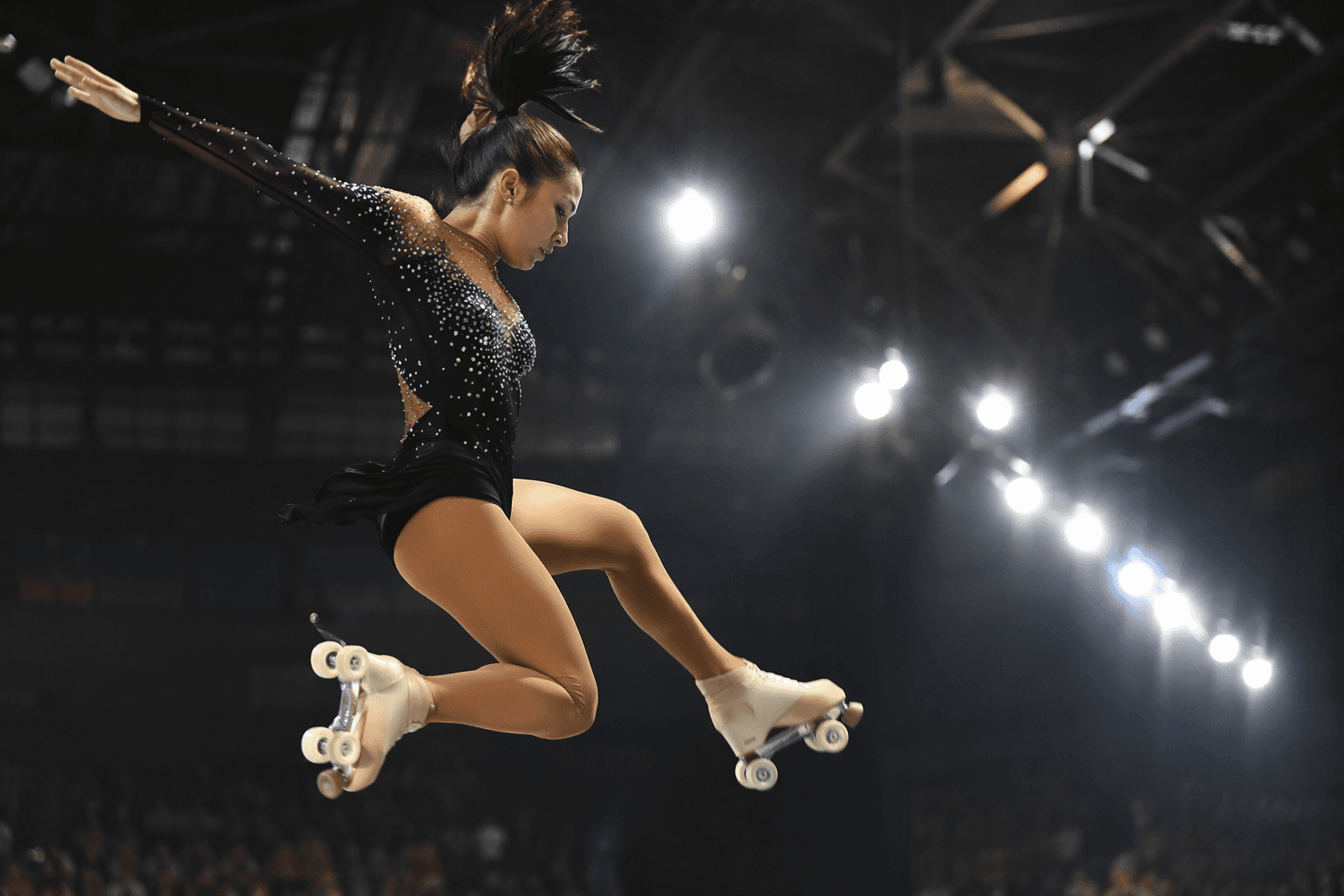
USA Roller Sports does not treat its Hall of Fame as a trophy case. It treats it as a working definition of what counts in the sport: skating that changed the way roller sports are performed, coached, judged, and remembered. That is why the organization’s honors structure reaches beyond athletes and into coaches, officials, and service leaders who keep the standard intact across generations.
The Hall of Fame is built around influence, not just hardware
USARS says its Athletes Hall of Fame was instituted in 1983, its Coaches Hall of Fame in 1991, and its Distinguished Service Hall of Fame in 1994. Those dates matter because they show a progression: the sport first formalized athlete recognition, then expanded to the people who shape technique and culture around the rink. The criteria are equally revealing. USARS emphasizes exceptional contribution through skating performances that materially influenced and enriched roller skating, plus innovations in movement or style, high performance standards, training or competitive techniques, and persistent leadership.
That framework gives the Hall of Fame a sharper edge than a simple medal count. Winning matters, but so does changing the sport’s language, pace, and standards. In a niche discipline that still fights for public attention, that is how legitimacy is built: not by celebrating a few isolated champions, but by preserving the methods and values that make championship skating recognizable in the first place.
A broader honors system tells you what the sport values
The Hall of Fame is only one layer. USARS also recognizes service traditions that trace the sport’s institutional memory back decades. The Charles Wahlig Memorial USARS Life Membership was renamed after Charles Wahlig’s death in 2007, and he was the first recipient of USARS Life Membership in 1960. The Shattuck Distinguished Service Award began in 1961 as the Amateur of the Year Award, and the Elmer Ringeisen Sportsmanship Award was established in 1983.
Those names are more than ceremonial. They mark the transition from raw achievement to the habits that sustain a sport: loyalty, service, sportsmanship, and the willingness to build something bigger than a single season. A program like this tells you that roller skating’s leadership class is not defined only by the fastest or flashiest skater. It also includes the people who keep the lineage intact, give the sport a moral code, and make sure excellence has a memory.
How USARS turns recognition into a standard
USARS says nominations are reviewed by the Hall of Fame and Honors Committee, then forwarded to the Board of Directors for final approval. That extra layer matters because it keeps honors from becoming automatic or sentimental. For 2026, nominations closed on May 11, 2026, a reminder that this is an active annual process, not a museum exhibit.
The organization’s wider history explains why the system carries weight. USA Roller Sports was established in 1937 as part of the Roller Skating Rink Operators Association, and it says it has sponsored amateur competitions since 1937. It also oversees U.S. participation in international competition, including World Championships, World Games, Pan American Games, and Olympic Games. USARS says it is recognized by World Skate and the United States Olympic & Paralympic Committee, which is the institutional backing that turns an honor roll into part of the sport’s official infrastructure.
Officials are not an afterthought in roller skating
The officials’ awards are where USARS gets especially precise about what it values. The organization lists the Dennis Snead Roller Speed Skating Award, the Marie Walker Award for Figure Skating, the Billy Sisson Award for Rink Hockey, and the George Pickard Award for Inline Roller Hockey. The criteria focus on long-term officiating contribution, support for seminars and educational programs, written rulebooks and technical articles, and fairness and competent officiating.
Just as important, USARS says these awards are not necessarily given every year if the criteria are not met. That is a quiet but significant line in the architecture of the sport. It means the awards are meant to protect standards, not simply distribute recognition on a calendar. In a judged or officiated sport, fairness is not a background condition. It is the product itself, and USARS puts its prestige behind the people who write, teach, and enforce the rules that keep competition credible.
Coaching gets the same seriousness as competition
USARS also draws a hard line around coaching. Its Coach of the Year candidates must be actively coaching, have at least five years as a USARS-registered coach, and hold Advanced Certified Coach status. That requirement says a lot about the organization’s priorities. Coaching is not treated as a vague leadership role or a sideline volunteer job; it is a professional standard tied to experience, certification, and ongoing participation.
That emphasis helps explain why the Coaches Hall of Fame arrived in 1991, eight years after the Athletes Hall of Fame. The sport is making a clear statement: performance alone does not sustain a competitive culture. Technique, preparation, and development do that. If an athlete is the visible finish, the coach is the long arc underneath it.
Charles Wahlig shows how the categories connect
Charles Wahlig is the clearest example of USARS’s layered memory. The Delaware Sports Museum and Hall of Fame notes that he is the only person inducted into the USA Roller Sports Hall of Fame as an athlete in 1983, as a coach in 1993, and for distinguished service in 1996. That is not just a personal accolade. It is a blueprint for how the sport itself sees excellence: as something that can begin in performance, mature in mentorship, and finish in service.
The 2015 USARS awards and historical data booklet adds another piece to that picture by listing additional honors, including the Gordon B. Van Roekel Life Time Service Award. Taken together with the main Hall of Fame and honors pages, it shows a wider ecosystem of recognition than the headline categories alone suggest. USARS is not merely preserving names. It is preserving the full chain of contribution that keeps roller skating organized, respected, and competitive from one generation to the next.
This article was produced by Prism’s automated news system from verified source data, official records, and press releases, then run through automated quality and moderation checks before publishing. The system is built and supervised by the people who set the standards it runs under. Read our full AI policy.
Did this article answer your question?