How Rollerblade reinvented roller skating with the inline skate boom
Rollerblade turned inline skates into a speed-first rewrite of roller skating, pushing the sport from rinks into hockey training, public demos, and mainstream culture.

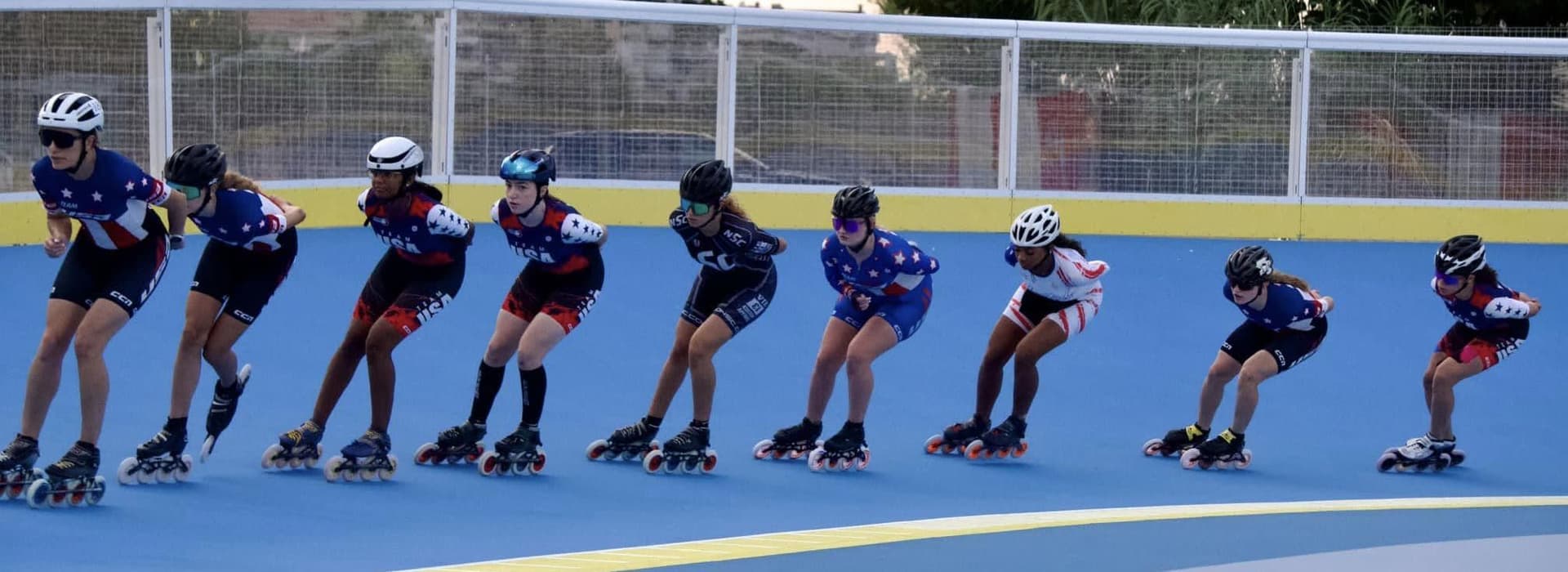
The modern roller-skating boom did not start with a rink anthem or a disco floor. It started in a Minneapolis basement, where two hockey-playing brothers turned an off-season training idea into a skate that changed how the sport looked, felt, and moved. Once the wheels lined up in a single file, roller skating was no longer only about glide and dance; it became about speed, turning, fitness, and a more aggressive public identity.
The Olson brothers turned a training tool into a new skating shape
Scott Olson and Brennan Olson began with hockey in mind. Rollerblade says they found an inline skate while rummaging through a sporting goods store in 1980 and saw it as an ideal off-season hockey-training tool, then refined the design and started assembling the first Rollerblade skates in their parents’ Minneapolis home. The Strong National Museum of Play places the key design shift slightly earlier, in 1979, when Scott Olson lined up skate wheels under a hard boot and named the result a Rollerblade.
That timeline matters because it shows the sport’s new identity was built in stages, not invented overnight. The brothers were not creating skating from scratch; they were adapting an existing wheeled tradition into a form better suited to acceleration, edge control, and stop-start movement. That hockey connection also gave inline skating a competitive edge from the beginning, because the design rewarded the same instincts skaters needed on ice: balance, quick turns, and forward drive.
Why inline skates felt faster than the skates that came before
Britannica describes the Olson brothers’ inline skates as a major improvement over earlier inline attempts because the four wheels sat in a single line and extended the full length of the boot. That layout gave skaters far more maneuverability and much more speed. In practical terms, the boot-and-wheel arrangement made skating feel less like rolling along and more like carving across space.
That was the big technical break. Traditional roller skates had already defined balance and stability for generations, but the inline format changed the mechanics of motion itself. The narrower track and longer wheel path made the skate feel athletic in a way that matched the era’s appetite for performance equipment, and it gave recreational skating a sharper link to training, racing, and hockey crossover.

Roller skating had a much older sport culture behind the boom
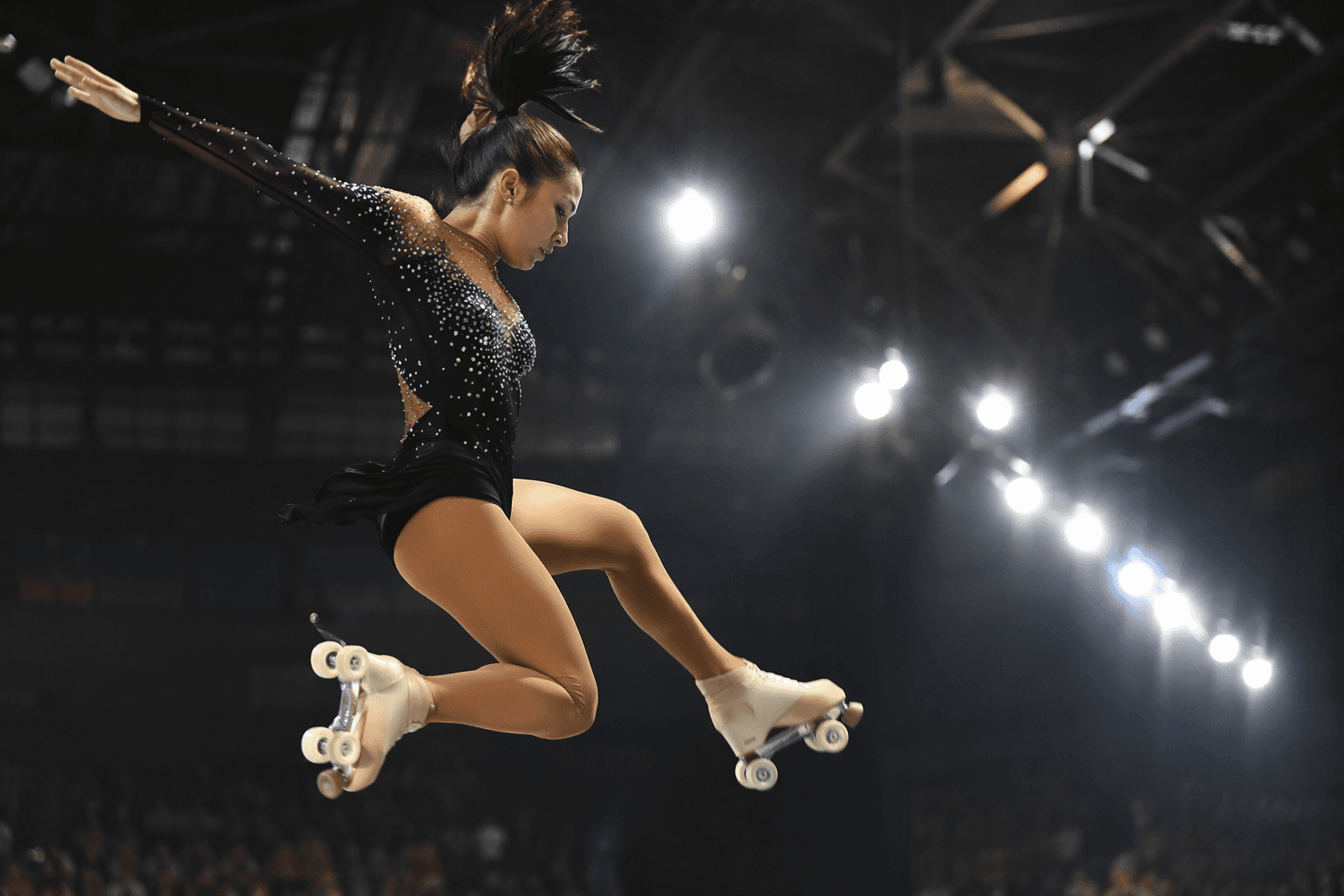
The inline revolution landed inside a much older tradition. Britannica traces the first practical four-wheel roller skate to James Plimpton of Medford, Massachusetts, in 1863, a design that became the foundation for modern roller-skating culture. Britannica also notes that roller-skating is a multi-discipline sport, with speed skating, hockey, figure skating, and dancing all part of the competitive picture.
That broader history helps explain why inline skating resonated so quickly. Roller skating already had a long path through mass rinks, dance floors, and the disco-era revival, so the Olson brothers were pushing on an open door rather than building a new sport from scratch. What changed was the emphasis: instead of centering the social rink experience, inline skating pushed the sport toward speed, athletic training, and a more streamlined, performance-driven look.
Public demos turned a niche innovation into a street-level phenomenon
Rollerblade did not rely on one product launch to make inline skating visible. The company says it grew interest through face-to-face demonstrations at malls, town fairs, and shops, using a truck stocked with rental skates to get people on the floor immediately. Those demos were not just product samples. They were miniature skating lessons staged in public, designed to remove the fear factor and show how the skates worked in motion.
The setup got more ambitious from there. Rollerblade says the demos used a portable skatepark with a half-pipe, a street course, and cones for basics, which turned a sales pitch into a live performance of what inline skating could become. The effect was cultural as much as commercial: skating moved out of the closed rink and into places where passersby could watch, try it, and imagine themselves part of it.

Distribution changed with the sport’s public image
As the sport expanded, Rollerblade also changed how it sold the product. The company says it shifted from direct sales to sporting-goods retail distribution through the middle and late 1980s, a sign that inline skates were moving from novelty item to mainstream athletic gear. By the mid-1990s, Rollerblade says inline skating was everywhere, helped by personal-contact demos and a culture amplified by TV and music channels.
That wider visibility mattered because it recast skating in the public imagination. Roller skating was no longer only a rink pastime or a dance-floor accessory; inline skating gave it a fitness identity, a street identity, and a speed identity. The sport looked more like training equipment and less like an after-hours hobby, which is one reason it crossed so easily into hockey circles and outdoor recreation.
The competitive world eventually formalized the shift
The broader roller-sports ecosystem caught up with that change. World Skate, the IOC-recognized governing body for skating-wheel sports, reflects how fully wheeled skating became a structured international field. World Skate’s history says inline roller hockey held its first world championship in Chicago in 1995, a milestone that shows how quickly the inline format moved from basement tinkering to global competition.
That progression is the real origin story of roller skating’s modern speed identity. James Plimpton’s 1863 four-wheel skate helped define the older sport, the Olson brothers’ inline design reworked it for speed and maneuverability, and the public demos turned that design into a mass-market movement. The result was not just a new skate. It was a new way to understand roller skating itself, as faster, more athletic, and fully at home in competitive sport.
This article was produced by Prism’s automated news system from verified source data, official records, and press releases, then run through automated quality and moderation checks before publishing. The system is built and supervised by the people who set the standards it runs under. Read our full AI policy.
Did this article answer your question?