Europe’s roundnet calendar grows with formal sanctioned events process
EURA’s 2026 sanctioned-events framework turns the calendar into a legitimacy test, tying rankings, pro status and tour access to a tighter hosting standard.
European roundnet is no longer just filling a calendar; it is defining what counts as a serious event. The European Roundnet Association has published the 2026 sanctioned events confirmed so far and still has a few open dates, which puts approval standards at the center of the season rather than on the sidelines.
A calendar built around sanctioning, not just scheduling
EURA’s Sanctioned Events 2026 page is framed as more than a list of tournaments. It includes hosting approval details, which means the association is telling clubs and national bodies how an event earns official status, not simply where the next stop will land. That shift matters in a maturing sport because the label attached to an event can determine whether players treat it as ranking-relevant, travel-worthy, or just another local weekend.
The association has also said registration for the 2026 tour series will open on Monday, February 23 at 08:00am. That date tells you how the season is being rolled out: first the sanctioned calendar, then the entry window for the broader tour structure. EURA’s separate European Tour Series 2026 page reinforces that the sanctioned-event framework is tied to a continent-wide circuit, not a loose collection of one-off stops.
Why sanctioned status changes the value of an event
For players, sanctioning does three jobs at once. It standardizes the competition environment, helps results compare across borders, and gives the calendar a clear hierarchy. In a sport that stretches across many countries with different club sizes and event cultures, that consistency is what makes a tournament feel worth the trip.
The stakes go beyond one weekend. EURA’s rankings-related pages show that sanctioned events feed into its competitive ranking structure, and its European Pro Status page says the status is granted to Europe’s top roundnet players. That means the same event can influence standings, recognition, and eventual selection pathways, which gives the hosting label real competitive weight.
What organizers are being asked to deliver
EURA’s own language acknowledges that hosting a sanctioned event can be logistically and financially challenging. That is not a footnote, it is the core of the test. Venue logistics, travel considerations, staffing, costs, and federation standards all converge when a club wants to stage an official event, and the association is putting those requirements in one place.
That creates a roadmap for organizers trying to move from informal play to the official circuit. It also raises the bar for consistency, because sanctioned events should feel more alike from country to country in the way they are run, the way they are staffed, and the way they are presented to athletes. For the sport, that is the sort of structure that helps build trust.
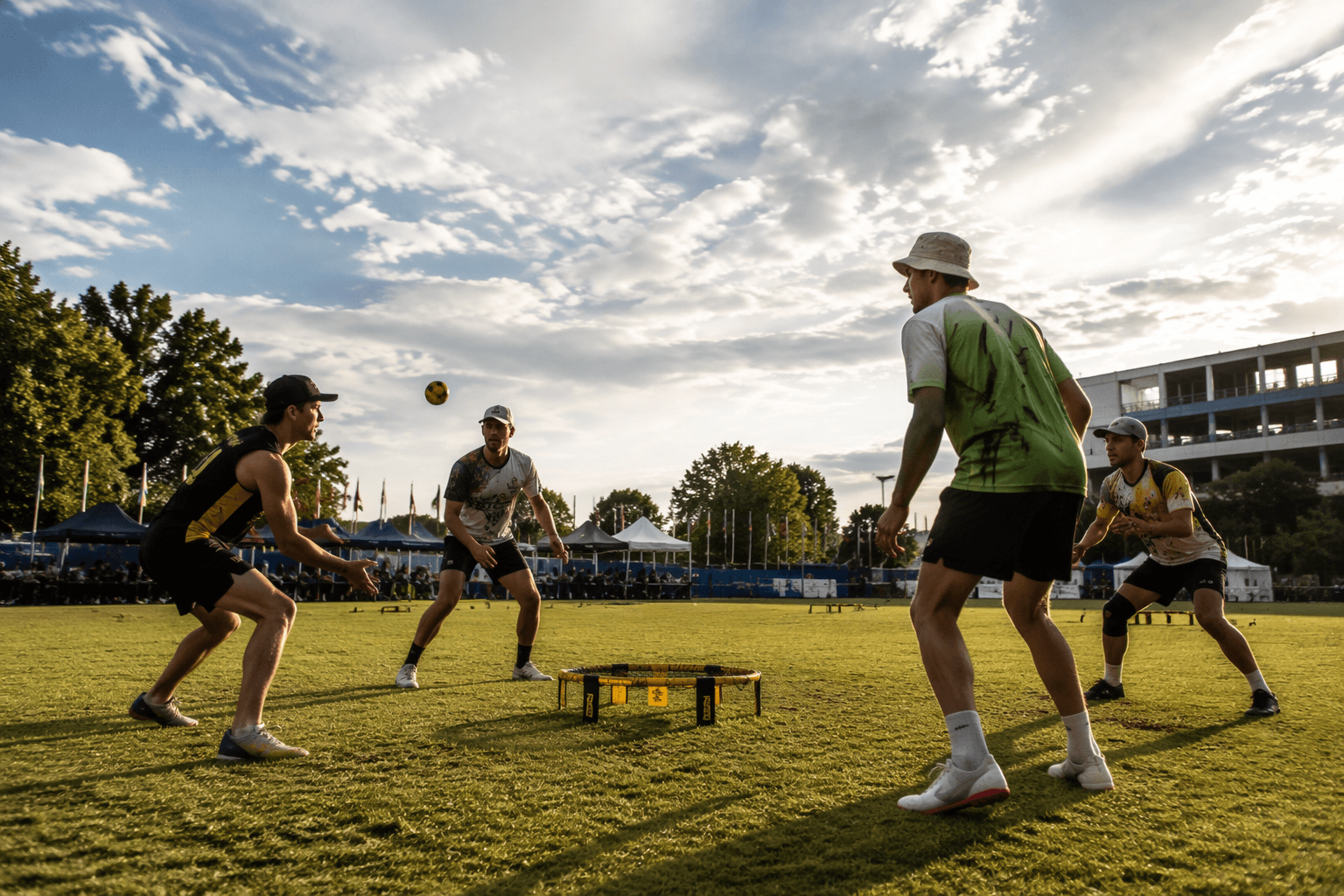
At the same time, the framework may expose a divide inside the European scene. Clubs with strong volunteer bases, reliable venues, and enough budget to handle travel and staffing are better positioned to meet the standard. Smaller events, especially those built on thin margins or short notice, may struggle to match the level of organization that sanctioning now implies.
How this fits Europe’s wider roundnet structure
EURA’s public-facing reach suggests that the audience for this system is already substantial. Its Instagram profile lists about 2,980 followers and describes the account around tournaments and events, highlights and videos, news and rankings, and sport development. That mix is telling: the association is not only promoting results, it is building an information pipeline for the sport itself.
The broader governance backdrop matters too. The International Roundnet Federation describes itself as the global body for roundnet, which gives regional sanctioning systems a larger context. Europe’s model is not operating in isolation; it fits into an international sport where regional bodies are expected to help set competitive standards, ranking logic, and event legitimacy.
The international calendar adds another layer. The official Roundnet Worlds 2026 account says the event will be held at Parc du Tremblay near Paris, France, from September 2-6, 2026. That gives Europe a high-profile elite anchor in the same year that EURA is formalizing its sanctioned-event structure, and it shows how the continent’s tournament ecosystem is being built to connect local hosts, regional tours, and global championships.
What the new bar means for the season ahead
The practical payoff of a sanctioned-events process is clearer competition quality and a cleaner pathway through the sport. Players know which stops matter most, organizers know what standards they must meet, and national federations gain a more accountable way to connect events to rankings and recognition. That is the kind of structure that makes a sport feel ready for serious travel, serious points, and serious growth.
The harder truth is that a stronger standard will also leave some events behind. European roundnet is learning that legitimacy now comes with a checklist, and the 2026 season is showing how much organization it takes to make a tournament count.
This article was produced by Prism’s automated news system from verified source data, official records, and press releases, then run through automated quality and moderation checks before publishing. The system is built and supervised by the people who set the standards it runs under. Read our full AI policy.
Did this article answer your question?