Roundnet builds governance path as Olympics dream gains momentum
GAISF's 2023 dissolution shifted roundnet's Olympic bid to SportsAccord and AIMS, while the IRF and USA Roundnet build the rulebook, rankings, and events.

GAISF's dissolution on September 14, 2023 pushed roundnet's Olympic pathway into a more demanding phase, with certification responsibilities moving under SportsAccord and AIMS membership becoming part of the new framework. The sport's leaders are treating that shift as a building test, not a branding exercise, because international recognition now depends on federations, rules, and repeatable competition structures.
The International Roundnet Federation says its mission is to build infrastructure for international competition in line with the Olympic model. It was created as a non-profit international governing body, and it says its job includes establishing uniform rules, sanctioning World Championships and other international events, and promoting the development of national governing bodies. The federation also says the 2019 announcement of the first world championships energized the roundnet community and helped move players and organizers toward a global mindset.
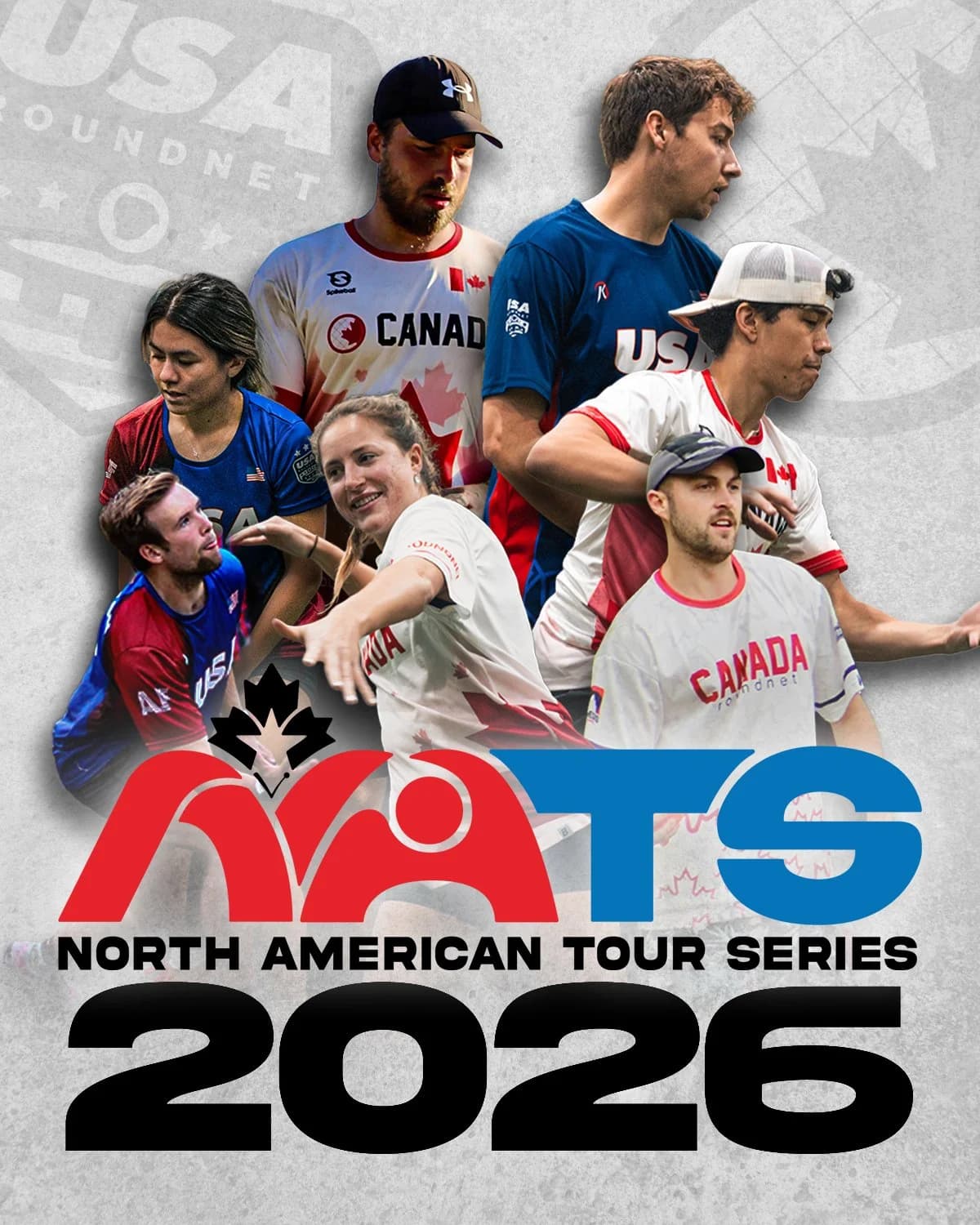
USA Roundnet, which describes itself as the National Governing Body for roundnet in the United States, is building the domestic machinery that Olympic sports usually need long before they get near the Games. The group says the sport has existed since 1989, when Jeff Knurek invented it in the late 1980s, and that Chris Ruder later helped revive and grow it after being introduced to the game as a kid. Its committees now cover affiliate partnerships, communication, diversity, equity and inclusivity, finance, grievances, memberships, the national team, officiating, tournaments, rankings, rules and youth. USAR also points to a North American rankings system, a North American Tour Series known as NATS, and an officiating structure built around USAR Officiating Guidelines and a Certified Observer program.
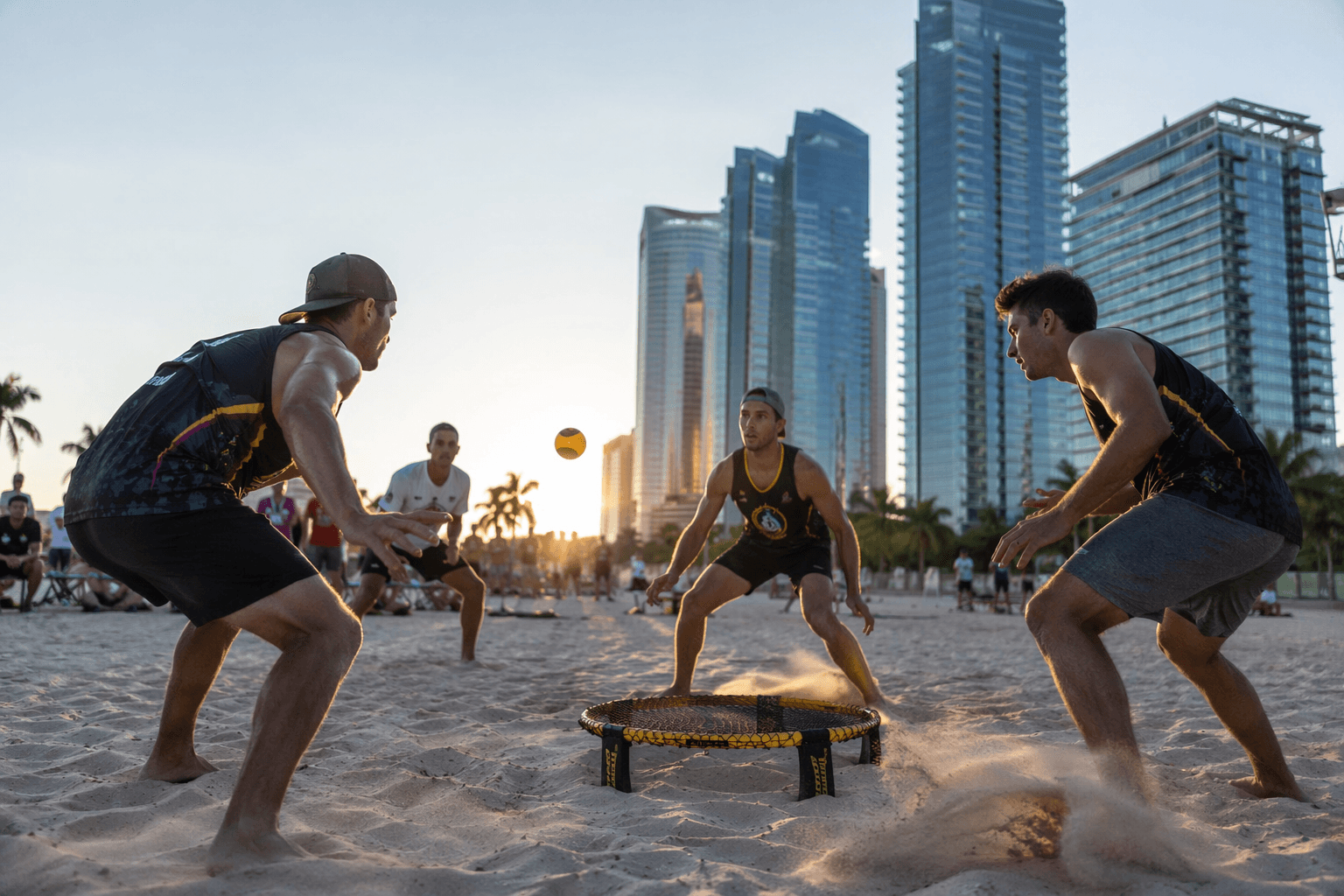
That kind of institutional layering matters because the IRF says National Olympic Committee or top-sport authority recognition can bring increased awareness, legitimacy and government funding opportunities. The federation also says national governing bodies are expected to support school and youth programs, inclusive events, regional clubs, a connected event series and a national championship. Full members, meanwhile, can take part in global forums, lead advisory boards, nominate committee candidates, host major IRF events and have select events count toward international rankings.
The competitive calendar is already taking on the shape of a real international circuit. The IRF says the first official Roundnet World Championship was staged in Belgium in 2022, with the event scheduled for September 8-11 that year, and that the 2024 World Championships were held in Britain at Surrey Sports Park in Guildford. The federation now says the Worlds run every two years, and the next steps are less about viral visibility than proving the sport can keep producing federations, officials, championships and standards on schedule.
This article was produced by Prism’s automated news system from verified source data, official records, and press releases, then run through automated quality and moderation checks before publishing. The system is built and supervised by the people who set the standards it runs under. Read our full AI policy.
Did this article answer your question?