Roundnet's 2025 rulebook reveals a fast, self-officiated 2-on-2 sport
Roundnet's 2025 rulebook puts self-officiating at the center, with disputes, hinders and observers shaping how 2-on-2 matches are won.
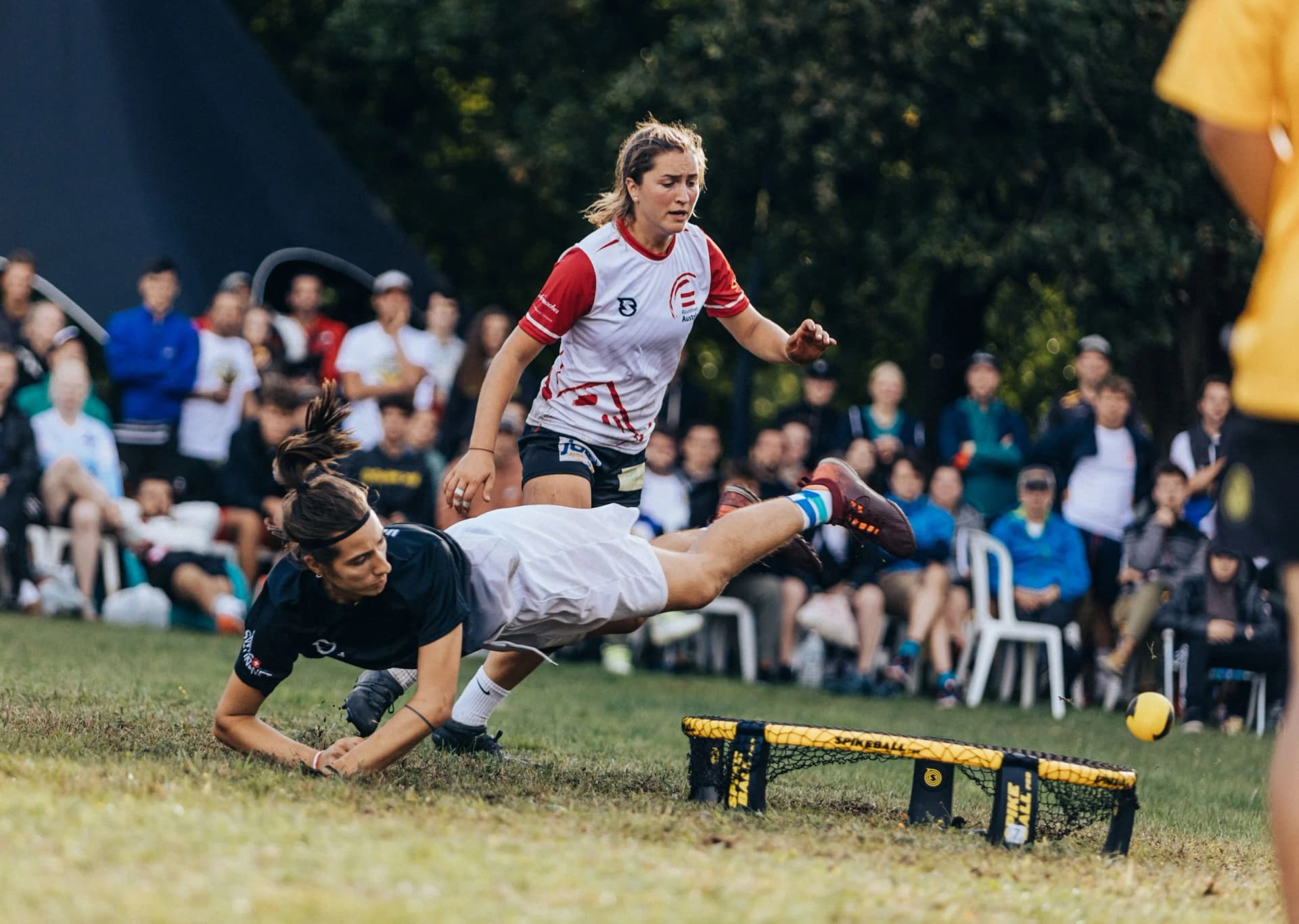
Roundnet’s 2025 North American Rule Set makes one thing unmistakable: this is not just a game of rebounds, it is a sport built around judgment. Updated January 1, 2025, the rulebook is split into nine chapters, including separate sections on making calls and settling disagreements, and on observers and officiation. That structure tells the real story of roundnet’s competitive identity, where the biggest edge often comes from handling disputes cleanly, serving legally, and moving well in the tight space around the net.
A rulebook that puts governance inside the rally
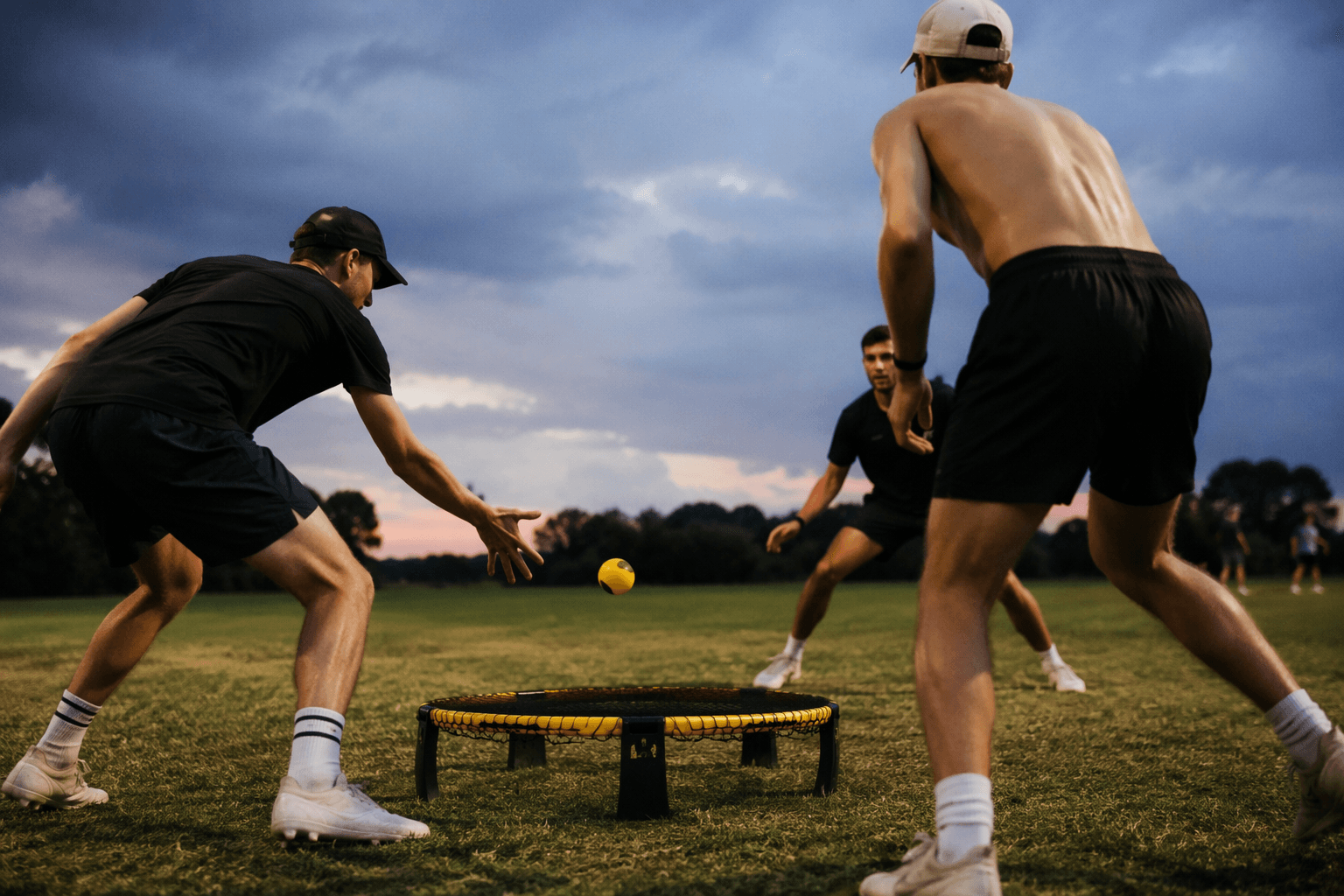
The 2025 rule set opens by defining roundnet as a team sport played by two teams of two players each. A point begins when the server hits the ball off the net toward the receiving side, and from there the possession battle is about control, placement and timing as much as raw power. That framework matters because roundnet’s best sequences are fast swings between offense and defense: a soft set can turn into a spike, and a hard angle can force a desperate dig that changes possession in a single touch.
The chapter order is revealing. Equipment and court, participants, playing format and serving set the foundation, but the late chapters are where the sport’s personality shows up. Playing the ball, hinders and participant conduct are not afterthoughts in a sport this compressed; they are the standards that keep the rally fair when players are closing on the net from only a few feet away.
Self-officiating is not a side note, it is the sport’s operating system
USA Roundnet’s officiating guidelines, updated March 10, 2022, describe roundnet as “predominantly self-officiated,” and that is the key to understanding how the sport works in real matches. Players are expected to make their own calls, settle disputes quickly and keep the rally moving without a referee stopping every point. That approach shapes the competitive tone of the sport: honesty, communication and shared rule knowledge become part of performance.
Observers exist because the sport has outgrown pure pickup judgment without abandoning its self-officiated culture. USA Roundnet says observers can settle disagreements on player calls and can also make some calls themselves, which means higher-level matches now have a structured backstop when tempers rise or sight lines break down. The International Roundnet Federation has built observer guidelines and a certification program around the same idea, making call accuracy and match quality part of the sport’s governance rather than an informal courtesy.
For first-time viewers, that explains why roundnet feels different from volleyball or tennis. There is no official standing over every rally, but there is still an organized system for resolving the moments when two teams see the same point differently. That balance preserves the sport’s informal roots while giving tournaments a way to scale without letting chaos decide results.
Hinders, conduct and safety decide more points than casual fans expect
The rules on hinders and participant conduct are especially important because roundnet is played in extremely tight quarters. Players move aggressively around the net, so body position, contact and space all matter when a defender is trying to cut off an angle or a spiker is lunging for a finishing touch. In this format, a collision, a blocked path or a messy follow-through can alter not just one rally but the confidence and tempo of the next several points.
That makes the 2025 rulebook a competition manual as much as a behavior guide. Clean contact and orderly possession are not abstract principles here; they are the difference between a valid continuation and a dead point. In practical terms, coaches and players are managing two things at once: execution at speed and the discipline to avoid turning physical pressure into a call that swings the match.
From backyard game to international sport
Spikeball Inc. says it was founded in 2008 and launched a competitive season in 2014, a timeline that shows how quickly roundnet moved from casual equipment to organized sport. By August 26, 2022, a Spikeball press release said 33 countries were set to compete in the first-ever Spikeball Roundnet World Championship in Belgium. By 2024, a world championship video said 34 countries gathered in Guildford, UK, a sign that the international field had already widened beyond the first breakthrough.
That expansion explains why governance now matters so much. The International Roundnet Federation’s observer guidelines and certification programs, plus the rise of organized bodies such as USA Roundnet, the Spikeball Tour Series, the European Roundnet Association and British Roundnet observer programs, show a sport building rules infrastructure alongside competition. The IRF has even said in its Instagram bio that it is working toward the Olympics, which fits the direction of travel: a once-backyard game is now being shaped by standards for officiation, international events and competitive legitimacy.
The cultural significance is in that tension. Roundnet keeps the self-officiated ethic that made it approachable, but the 2025 rule set also shows how seriously the sport now treats disputes, hinders, serving and observer authority. For players, that means edge cases can decide titles. For coaches, it means rule clarity is part of preparation. For first-time viewers, it reveals a fast 2-on-2 sport where the cleanest teams usually win the points and the most disciplined teams help define the match itself.
This article was produced by Prism’s automated news system from verified source data, official records, and press releases, then run through automated quality and moderation checks before publishing. The system is built and supervised by the people who set the standards it runs under. Read our full AI policy.
Did this article answer your question?