Study of 166 players finds shoulder and ankle injuries lead roundnet risk
A 166-player study gives roundnet its first hard injury map, with shoulder and ankle problems leading the risk list and forcing smarter prep.
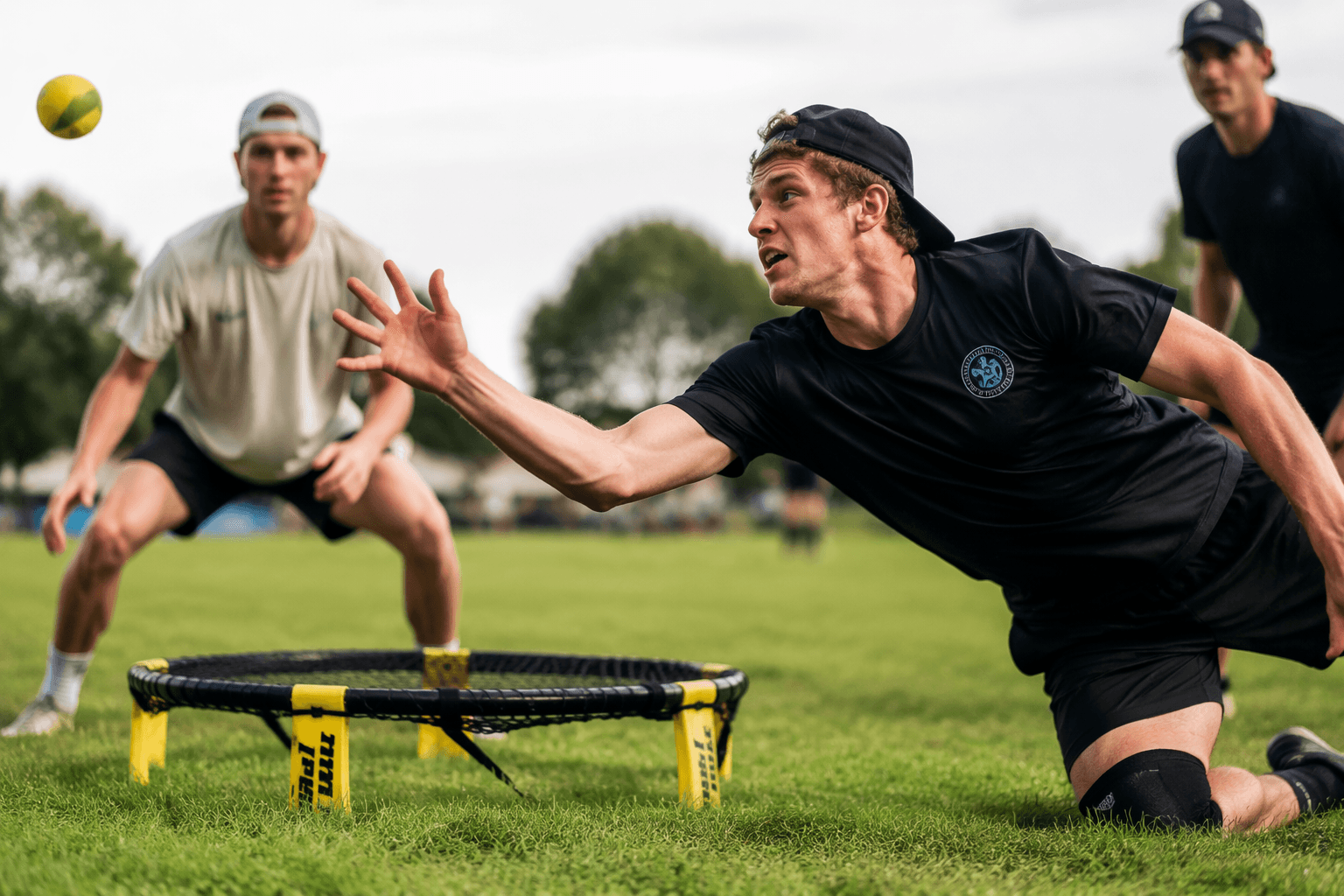
Roundnet has enough competitive depth now that its injury pattern is no longer a guess. A 166-player cross-sectional study indexed on PubMed as PMID 38374944 logged 82 injuries, and shoulder and ankle problems led the list. That is the kind of baseline that should change how players warm up, how coaches train, and how tournaments are staged.
The first real baseline for roundnet injuries
The study tracked 166 players and found a mean of 1.7 ± 1.2 injuries per player, which is a meaningful load in a sport that still gets treated like a casual backyard diversion. Of the 82 injuries, 43 were upper-extremity injuries, 24 were lower-extremity injuries, and 15 were axial injuries. A full-text version is available in PMC, and that matters because roundnet finally has a record that can be checked and built on instead of being left to speculation.
The cross-sectional design gives a snapshot, not a cause-and-effect verdict, but that snapshot is enough to move the sport forward. The numbers show where the stress is going, and it is not going there randomly. The shoulder and ankle are the pressure points, which means the right response is specific, not generic.
Why shoulder and ankle keep showing up
The shoulder is baked into roundnet’s demands because players are constantly hitting, reaching, and playing overhead. The ankle takes the punishment because the sport asks for quick cuts, awkward recoveries, and explosive direction changes inside a very small playing area. That combination explains why the injury list is dominated by the same two joints that matter most in the game’s fastest actions.
Roundnet’s pattern also fits a broader sports-medicine pattern. A 2022 paper in another sport tracked 478 players and found 71 ankle injuries, 74 knee injuries, and 48 shoulder injuries, which lines up with the same kind of jumping-and-cutting stress. Roundnet is not copying another sport’s injury sheet, but it is proving that fast court and net games punish the body in very familiar ways.
What players should change in training
Players need to stop treating the shoulder and ankle as incidental. The study says injury-prevention programs may benefit from shoulder strengthening and maintaining shoulder range of motion, and that should be part of regular training, not something added only after something starts to ache.
The practical shift is simple and specific:
- Build shoulder-strength work into the normal routine, not just the days you feel loose.
- Keep shoulder range-of-motion work in the warmup and recovery mix.
- Treat lower-body stability and landing mechanics as roundnet skills, not separate gym chores.
- Respect cumulative load, because 1.7 injuries per player is not the profile of a sport that can ignore recovery.
Roundnet rewards explosiveness, but that does not make every rally harmless. If the body is getting asked to stabilize, jump, cut, and reach all at once, the preparation has to match that demand.
What coaches and club leaders should build into practice
This study is a coaching blueprint if you read it correctly. Practices should not jump straight from strategy talk to full-speed points, because the injury profile says the risk lives in repeated overhead action and repeated direction changes. Shoulder work, deceleration drills, controlled movement, and ankle-prehab belong in the session before anyone starts chasing highlight plays.
Coaches should be treating those pieces as standard, not optional. The simplest version looks like this:
- Start with shoulder-strength and range-of-motion work.
- Add deceleration and change-of-direction drills before live points.
- Include balance and lower-body stability work so the ankle is not carrying every landing alone.
- Watch training load during heavy tournament blocks and back-to-back sessions.
The goal is not to slow the sport down. It is to make the load fit the game. A sport with real competitive volume needs more than “play through it” habits.
What tournament organizers should standardize now
The injury pattern has event-level consequences, too. Because ankle stress comes from quick cuts and awkward recoveries, tournament setups should prioritize level, predictable surfaces and enough clear space around courts to reduce bad steps. Roundnet’s tiny playing area is part of its appeal, but it also means organizers cannot afford sloppy setup decisions.
Scheduling matters just as much. Back-to-back matches without any real warmup window invite cold shoulders and unready ankles, which is exactly the kind of exposure this study highlights. Event protocols should make pre-play injury-prevention messaging part of check-in, so players hear the same message before the first serve that coaches are building into practice: prepare the shoulder, protect the ankle, and do not treat the early rounds like disposable reps.
The next step for tournaments is straightforward. Match pacing, court layout, and warmup time should all reflect the fact that competitive roundnet now has a real injury profile, not just a fun one.
How roundnet got here
The study matters because it lands on a sport that has been building structure for years. USA Roundnet describes roundnet as having been around since 1989 and serves as the non-profit national governing body for the sport in the United States. Spikeball Inc. was founded by Chris Ruder in 2008 and launched a competitive season in 2014.
The college game followed its own path. The first known college roundnet club was founded by Logan Cornelius in 2012, and a college series started in fall 2017. That timeline explains why this study lands as more than medical curiosity: the sport has moved from backyard novelty to organized competition with enough volume to generate meaningful data.
Roundnet does not need to choose between fun and structure. The better move is to keep the speed, keep the highlights, and finally build the safety habits that a mature sport requires.
This article was produced by Prism’s automated news system from verified source data, official records, and press releases, then run through automated quality and moderation checks before publishing. The system is built and supervised by the people who set the standards it runs under. Read our full AI policy.
Did this article answer your question?