Taylor Sanford builds durable gear to meet roundnet’s tournament demands
Broken rims pushed Taylor Sanford to build Premier Spike, a durability-first bet on roundnet’s next phase.
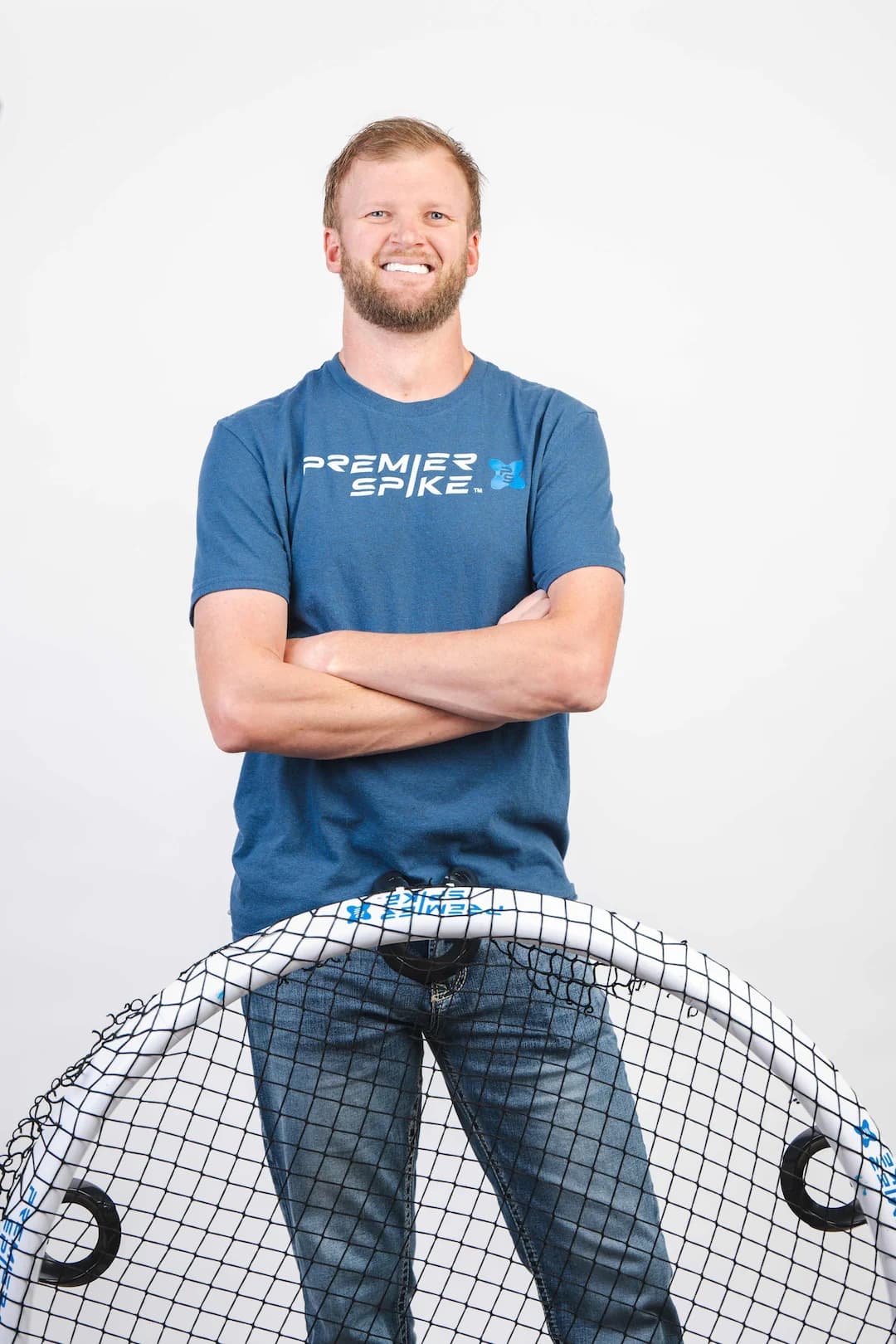
Taylor Sanford kept ending tournament days with the same ugly pile: shattered plastic rims snapped during matches. That repeated failure became the launch point for Premier Spike, a product line built for the kind of diving, twisting, high-speed play that defines elite roundnet. In a sport that USA Roundnet says has existed since 1989 and now calls rapidly growing, sturdier gear has become part of the competitive conversation.
Durability is the new edge
Sanford’s insight was simple but important: the equipment that works for a casual backyard set often falls short once roundnet becomes a tournament sport. He was constantly throwing away bin after bin of broken rims, and that kind of wear tells the whole story of an emerging game moving faster than its hardware. Premier Spike grew out of that pain point, with durability framed not as a nice extra but as the baseline requirement for serious play.
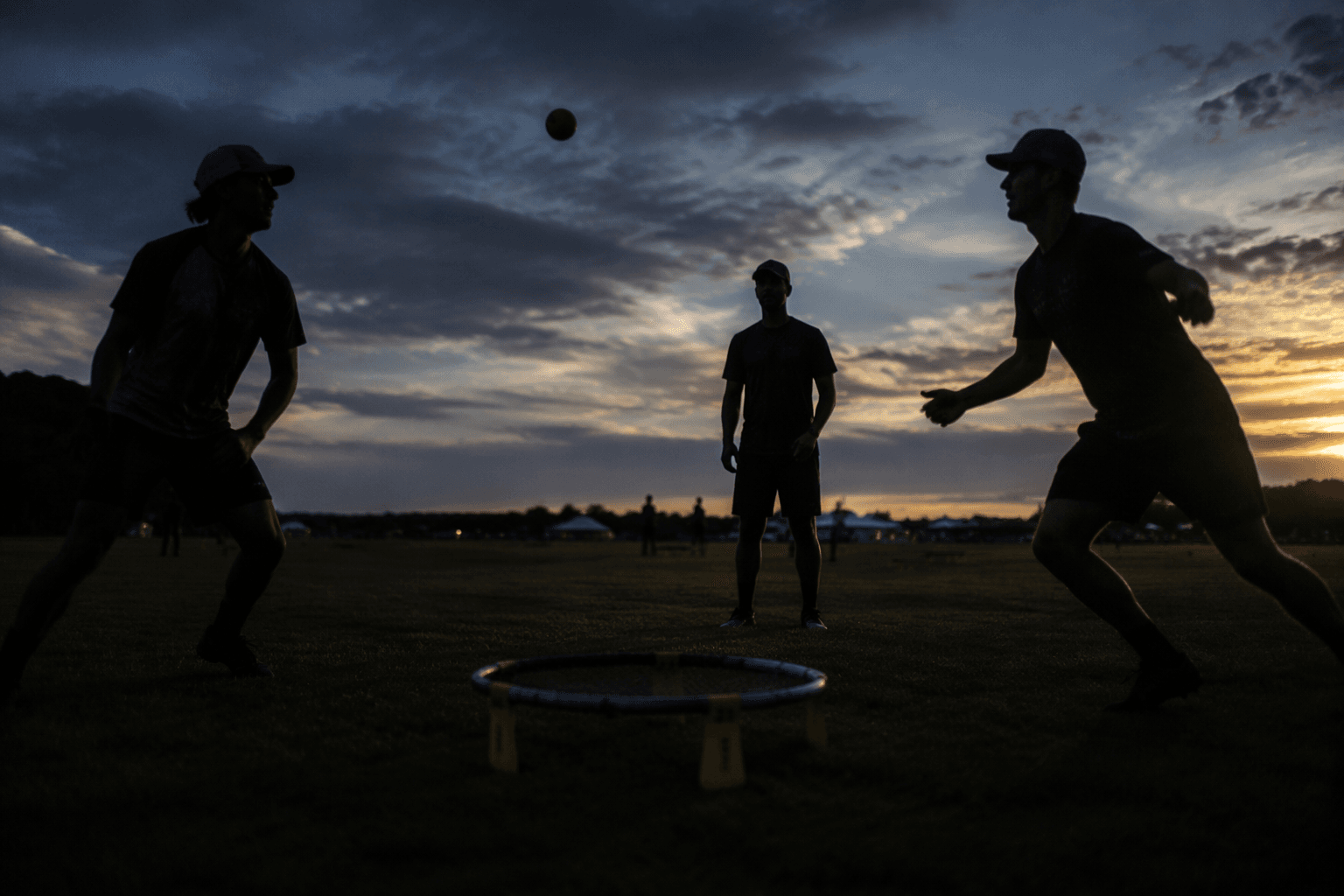
That matters because the stress in tournament roundnet is not theoretical. Players are diving, twisting, and striking the ball at speed, which puts pressure on the frame, rim, legs, and net system every point. In that environment, broken gear is not just a nuisance, it interrupts competition, changes how a match feels, and pushes organizers to think like equipment managers as much as event hosts. Sanford treated that as an engineering problem, not an accepted flaw of the sport.
Why the gear conversation is really a growth conversation
Roundnet’s next phase will not be won only by flashier brackets or more polished athletes. It will also be won by equipment that survives repeated tournament use and performs the same way from set to set. Better design lowers replacement costs, reduces downtime during events, and gives players a more consistent competitive standard, all of which shape whether a sport feels ready for wider adoption.
That consistency has social weight too. A game that still feels fragile can read as a novelty, something you pull out for a picnic and put away when parts break. A game with durable, standardized gear starts to look like a legitimate sport with infrastructure behind it, which changes how clubs, schools, and event directors make buying decisions. Sanford’s work sits right at that pressure point, where product quality influences whether people stay in the sport long enough for it to grow.
Roundnet has already moved beyond the backyard
The sport’s history makes that shift even more striking. USA Roundnet says roundnet has been around since 1989, and it now describes the game as rapidly growing. That long arc shows how a backyard staple can develop into something with organized play, formal structures, and a competitive identity that requires more than enthusiasm to sustain.
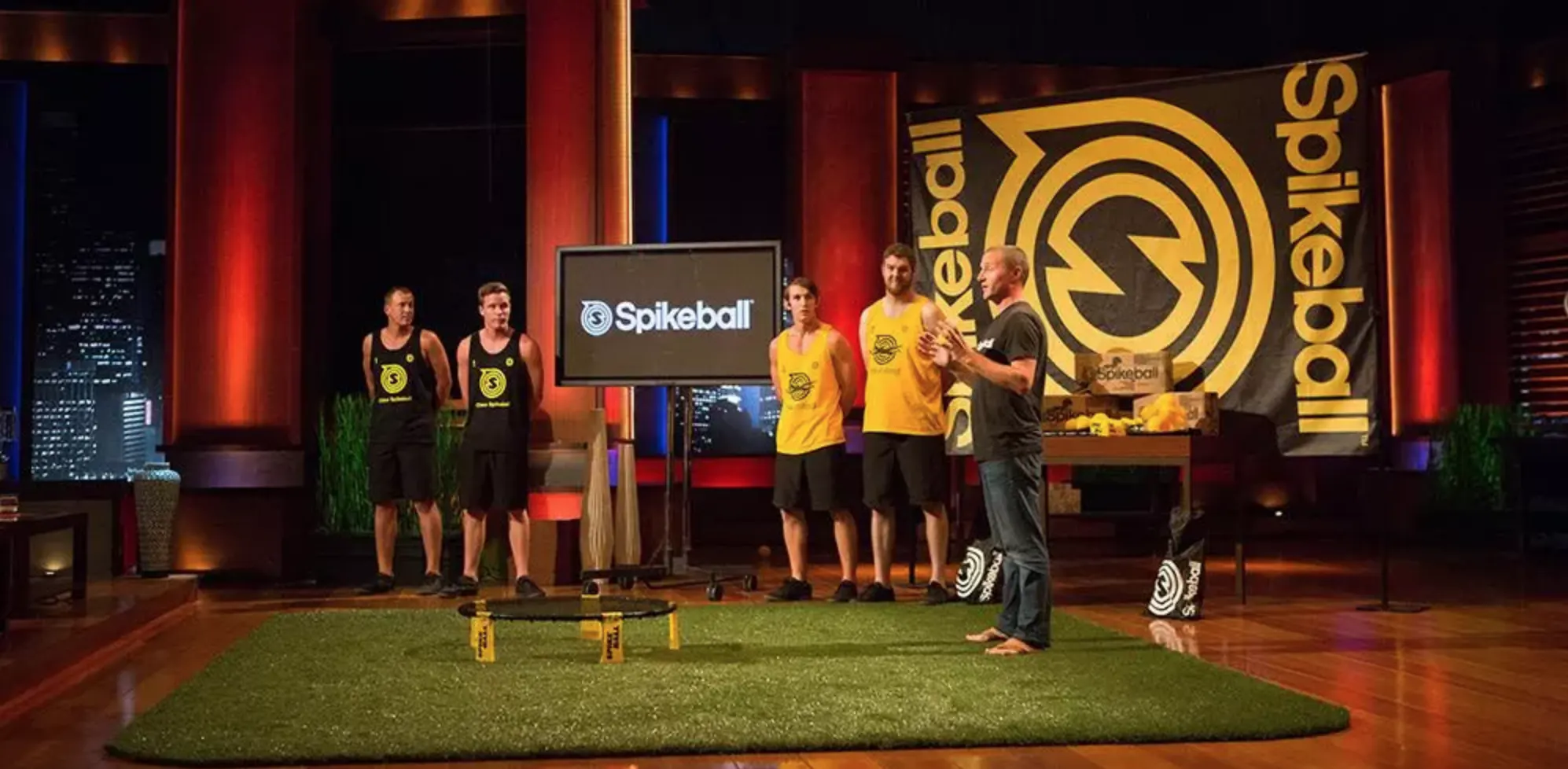
Spikeball Inc. helped accelerate that transition after Chris Ruder founded the company in 2008 and launched a competitive season in 2014. The company now says it supports more than 4 million players worldwide and employs 40 full-time workers, a scale that underscores how far the game has traveled from its informal roots. When a sport reaches that level of participation, gear quality stops being a side issue and becomes part of the sport’s operating system.
The tournament calendar shows what legitimacy looks like
The international picture makes the case for sturdier equipment even stronger. Spikeball said 33 countries were set to compete in the first-ever Spikeball Roundnet World Championship in Belgium in 2022, a sign that the sport was no longer confined to local scenes or regional pockets. By 2024, a Spikeball video about the IRF Roundnet World Championships said 34 countries gathered in Guildford, UK, to compete for one title.
That kind of global event structure demands reliability. Every broken rim or inconsistent frame creates unnecessary friction for players traveling long distances to compete and for organizers trying to keep matches moving. The International Roundnet Federation exists as a global roundnet organization, and that matters because federated sport grows on common standards: the same rules, the same expectations, and increasingly, the same equipment quality across borders.
Premier Spike fits the sport’s professional turn
Premier Spike’s brand positioning reflects that shift. It is presented as a serious alternative for organized play rather than a disposable consumer toy, which lines up with the direction the broader roundnet ecosystem has taken. USA Roundnet operates a North American Tour Series and also promotes “Building Roundnet Together,” both signs that the sport is building pathways instead of relying on scattered local momentum.
This is where Sanford’s story becomes more than a founder profile. He noticed a repeated point of failure, turned it into a business opportunity, and helped push a still-young sport toward better infrastructure. That kind of work does not always produce the loudest headlines, but it shapes the experience of the people actually playing the game, especially when tournaments become more serious and the margin for cheap gear shrinks.
What sturdier gear changes next
The next stage of roundnet growth will likely be decided by how well the sport solves three practical problems:
- player retention, because athletes stay when equipment feels reliable and worth learning on
- competitive legitimacy, because matches mean more when every set behaves the same way
- mainstream adoption, because schools, clubs, and organizers are more willing to invest in gear that can survive constant use
Sanford’s response to those broken rims points toward the future of the sport. Roundnet has already proven it can attract players, national organizations, and international championships. The next test is whether its equipment can match that ambition, and Premier Spike is built on the belief that the answer has to be yes.
This article was produced by Prism’s automated news system from verified source data, official records, and press releases, then run through automated quality and moderation checks before publishing. The system is built and supervised by the people who set the standards it runs under. Read our full AI policy.
Did this article answer your question?