What pocket means in roundnet and why it matters
Pocket is the space between the net and frame, and it can decide whether a rally stays legal, dies on impact or flips from defense to attack. Knowing it changes how roundnet is watched and called.
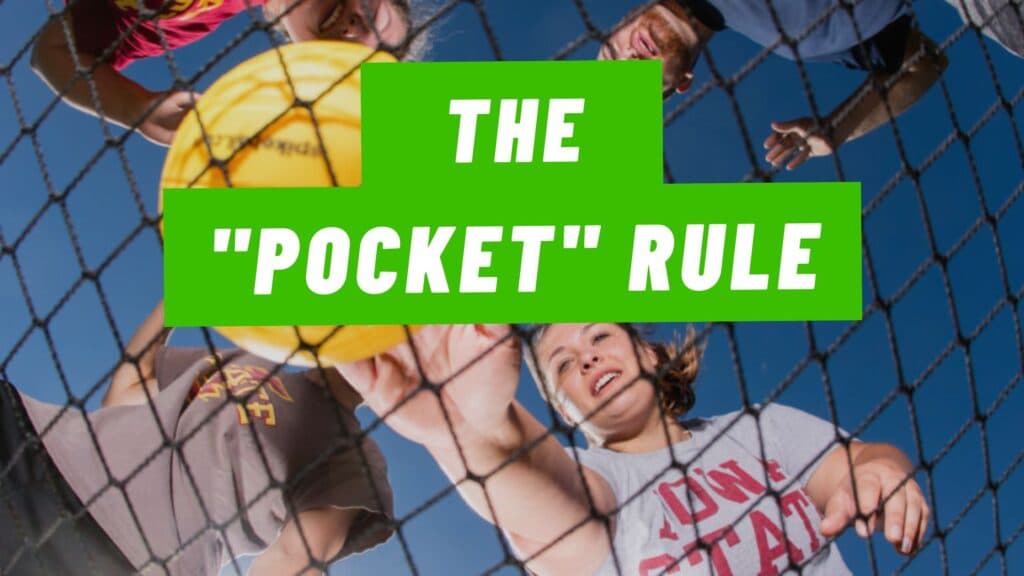
Roundnet looks messy to first-time eyes because the ball can ricochet off the net in so many directions, but one small term explains a lot of the chaos: pocket. In roundnet.world’s terminology, a pocket is the space between the net and the frame, and that gap is where rallies can turn from clean offense into instant confusion. Once you know what that space does to the ball, you start seeing why roundnet players care so much about rebound quality, legality and quick decisions.
What a pocket actually is
A pocket is not a dramatic zone on the court or a special scoring area. It is simply the space between the net and the frame, but that small architectural detail changes everything about how the game plays. In a sport where the ball is supposed to rebound off a circular net, the edge where the net meets the frame creates angles, soft traps and awkward deflections that do not exist on a flat surface.
That geometry matters from the first hit. The 2021 Spikeball Roundnet Association Rules Overview describes roundnet as a team sport played by two teams of two players each, and it says a point begins when the server hits the ball off the net. From that moment on, every touch is a reading test: did the ball spring cleanly, or did it sink into the pocket and lose the kind of bounce that creates a normal rally?
Why the pocket changes the rally
The pocket is one of the easiest ways to understand why roundnet looks frantic but is actually built on pattern recognition. A clean rebound from the center of the net usually gives both sides a readable next play. A ball that drops toward the pocket, by contrast, can shorten the bounce, kill the speed or kick off at a strange angle that forces an emergency adjustment.
That difference changes point outcomes fast. If a hitter drives the ball into a bad angle and it catches the pocket, the defender may not get a true chance to reset the rally. If the receiving team recognizes the pocket early, the next touch can be controlled instead of rushed, which often means a safer pass or a smarter set rather than a desperate swing.
It also changes how you judge the quality of a play. A strong attack in roundnet is not just about power; it is about forcing a rebound that the other team cannot read cleanly. The pocket is one of the clearest examples of how a small piece of geometry can be used strategically, because the attacker is trying to create a rebound that the defense cannot comfortably turn into offense.
How the pocket shapes legality and calls
The pocket is not just a bounce issue. It also affects how players decide what happened and whether a contact or rebound should count as playable, legal or too awkward to continue. In self-officiated matches, that judgment matters because the players have to agree in real time on whether the ball stayed within the boundaries of a normal rally or disappeared into that deadened space between net and frame.
That is why roundnet rule discussions so often circle back to vocabulary. Roundnet Canada’s official rules page says that even when rule changes feel contentious, “every criticism is someone wanting the sport to reach its full potential.” That line captures the way roundnet conversations work in practice: players argue because they care, and they care because the game depends on everyone interpreting the same contact the same way.

The Spikeball Roundnet Rules and Observer Webinar was built around that same problem set, covering common rule questions, observing principles and video examples of tricky calls. Pocket situations fit right into that world because the more difficult the rebound looks, the more important it becomes to have a shared language for what the ball just did. A team that understands the pocket is better prepared to make fast, defensible calls when a rally turns messy.
Two plays, side by side
Imagine two identical serves. In the first, the ball lands cleanly on the net and pops up with enough shape that the receiving team can pass, set and attack. In the second, the serve hits the edge, drops into the pocket and comes off dead or at an odd angle. The first rally rewards structure; the second forces instant problem-solving.
That contrast is why the pocket is such a useful teaching term. It explains why a hit that looks almost the same to a casual viewer can produce completely different outcomes for the players on court. It also helps explain why some points feel unfair to beginners: the ball did not just bounce badly, it entered the part of the net where the frame changes the rebound.
Once that clicks, roundnet becomes easier to read. You stop thinking the sport is random and start noticing how players aim for certain contact points, how defenders anticipate the next touch, and how a single bad rebound can flip a point from control to panic in one motion.
Why the term matters as the sport grows
Pocket is a local word for a local piece of geometry, but it sits inside a larger story about a sport still codifying its language. Roundnet.world’s rules page traces Spikeball back to 1989, a reminder that the sport is still relatively young compared with the traditional games it now sits beside. Even so, the rule language is already becoming more formal, with the International Roundnet Federation maintaining an official rules page and a separate page for RRR rule packages.
That matters because roundnet is no longer just a backyard explanation game. A 2024 Spikeball video about the IRF Roundnet World Championships said 34 countries gathered in Guildford, UK to compete for one title. When a sport gets that international, a word like pocket stops being casual slang and starts functioning like infrastructure: it keeps players, observers and fans aligned on what the ball did and what the rally means.
The term does more than define a bounce. It helps explain the sport’s legality, its scoring swing and the arguments players have when a point hangs on a weird rebound. In roundnet, understanding the pocket is often the difference between watching a scramble and seeing the logic underneath it.
This article was produced by Prism’s automated news system from verified source data, official records, and press releases, then run through automated quality and moderation checks before publishing. The system is built and supervised by the people who set the standards it runs under. Read our full AI policy.
Did this article answer your question?