How SlamBall found a niche in China beyond the U.S. spotlight
China kept SlamBall alive when the U.S. spotlight faded, turning university programs, TV ambitions and two Mob titles into the bridge to today’s relaunch.
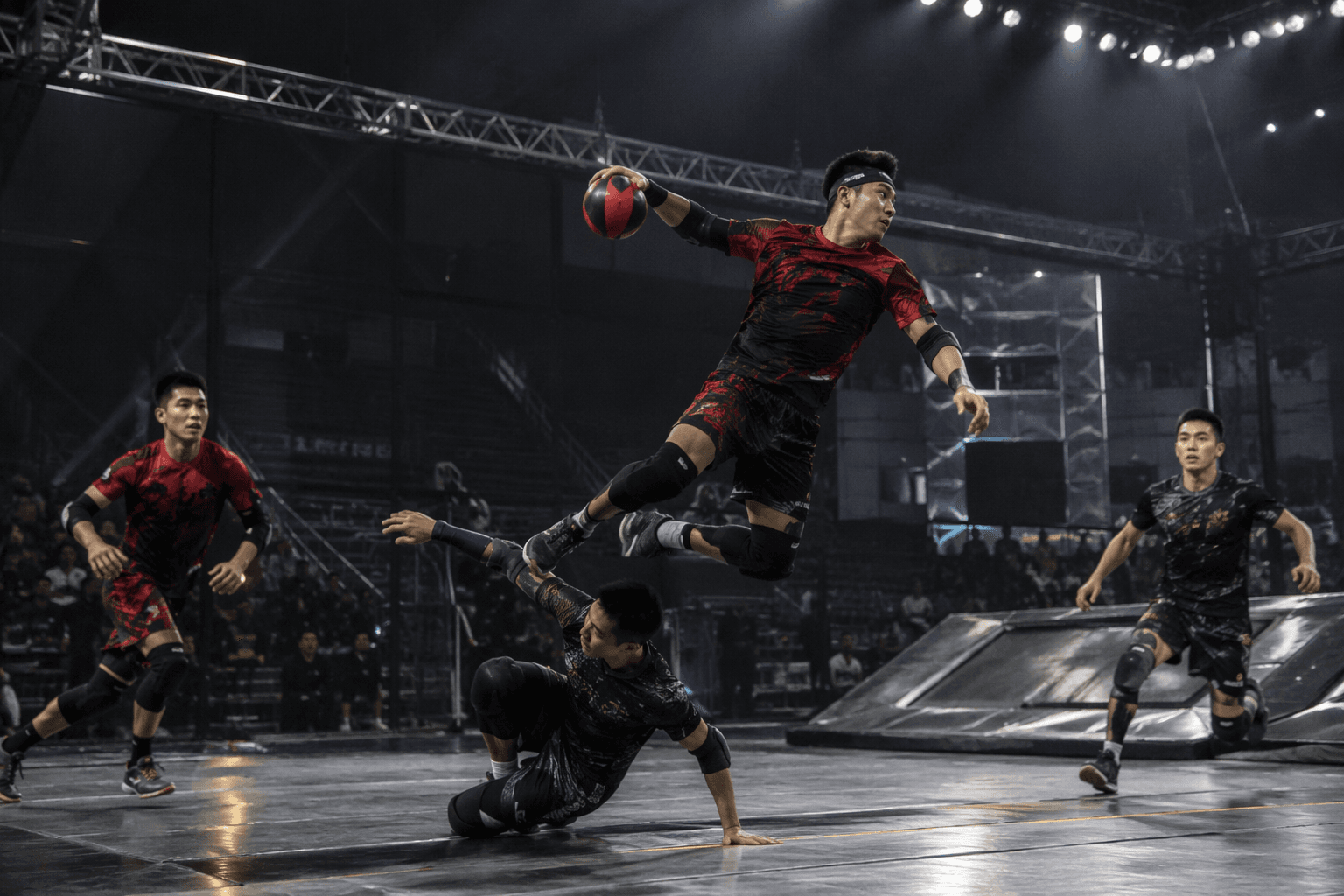
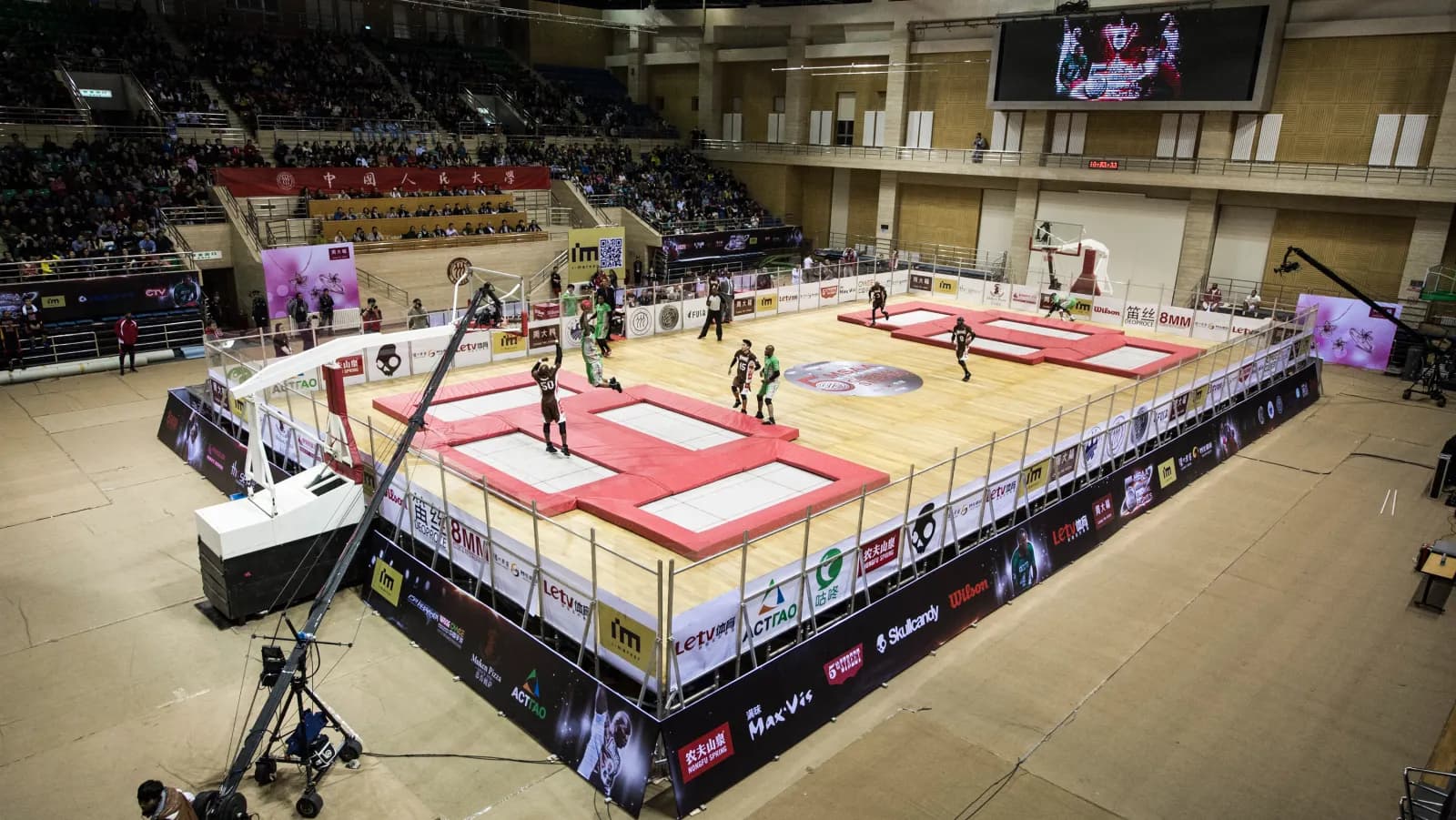
Would SlamBall still be here without China? The cleanest answer is that the sport’s overseas chapter gave it enough oxygen to outlast the American spotlight. China Daily put SlamBall on the page in 2012 and again in 2016, while VICE Sports documented a 2015 resurgence built around university programs and a later push for TV rights, a rare paper trail for a league that spent long stretches away from U.S. mainstream attention.
That matters because SlamBall’s official history says the sport began in an L.A. warehouse, a homegrown experiment that had to learn how to travel. In China, the game stopped being only a novelty from another country and became an operating sport with coaches, titles and returning players. That is the real hidden survival story behind the revival now: the league did not simply disappear and return, it kept a foothold in a market that was willing to treat it as something more than a stunt.
Why the game fit China’s sports appetite
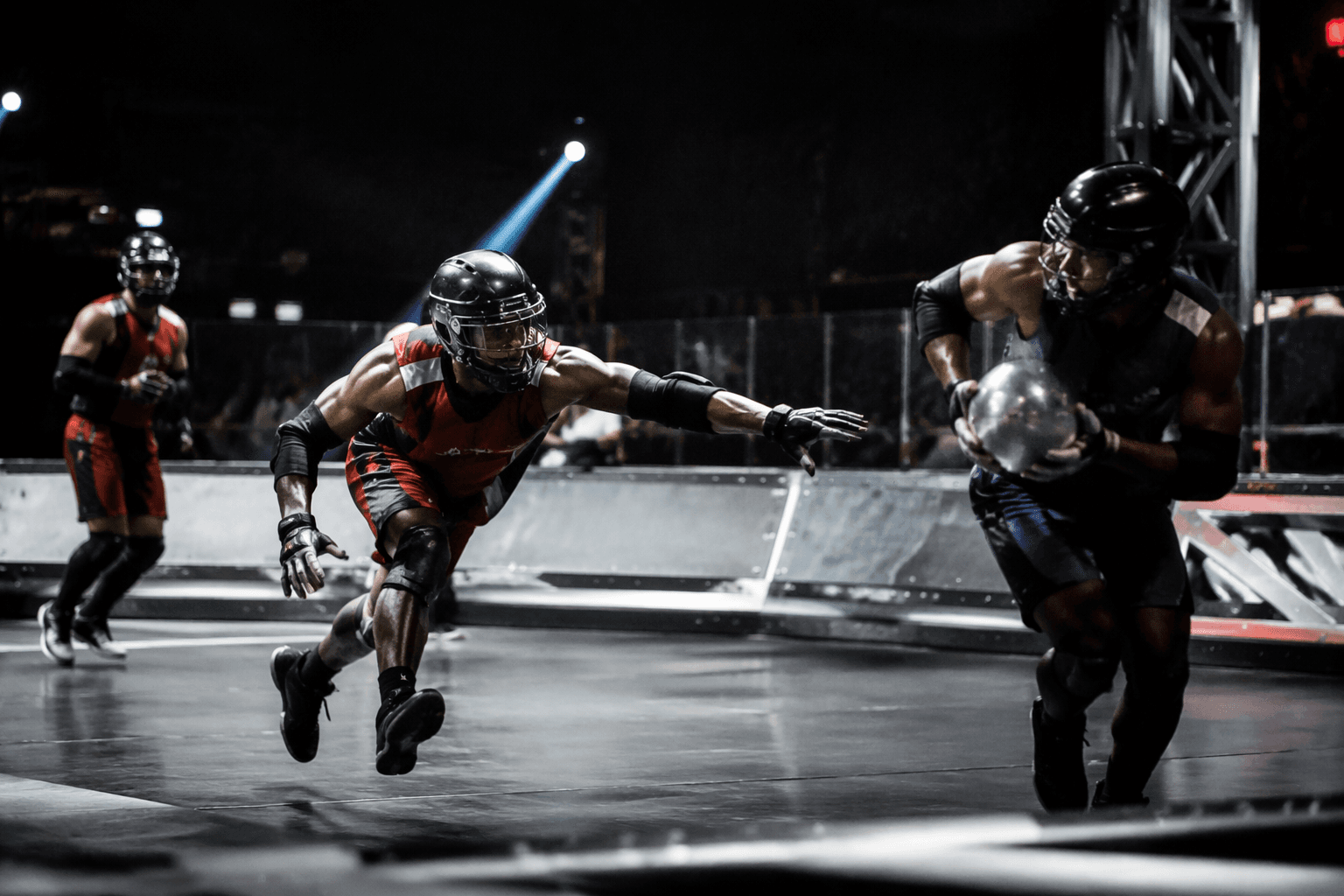
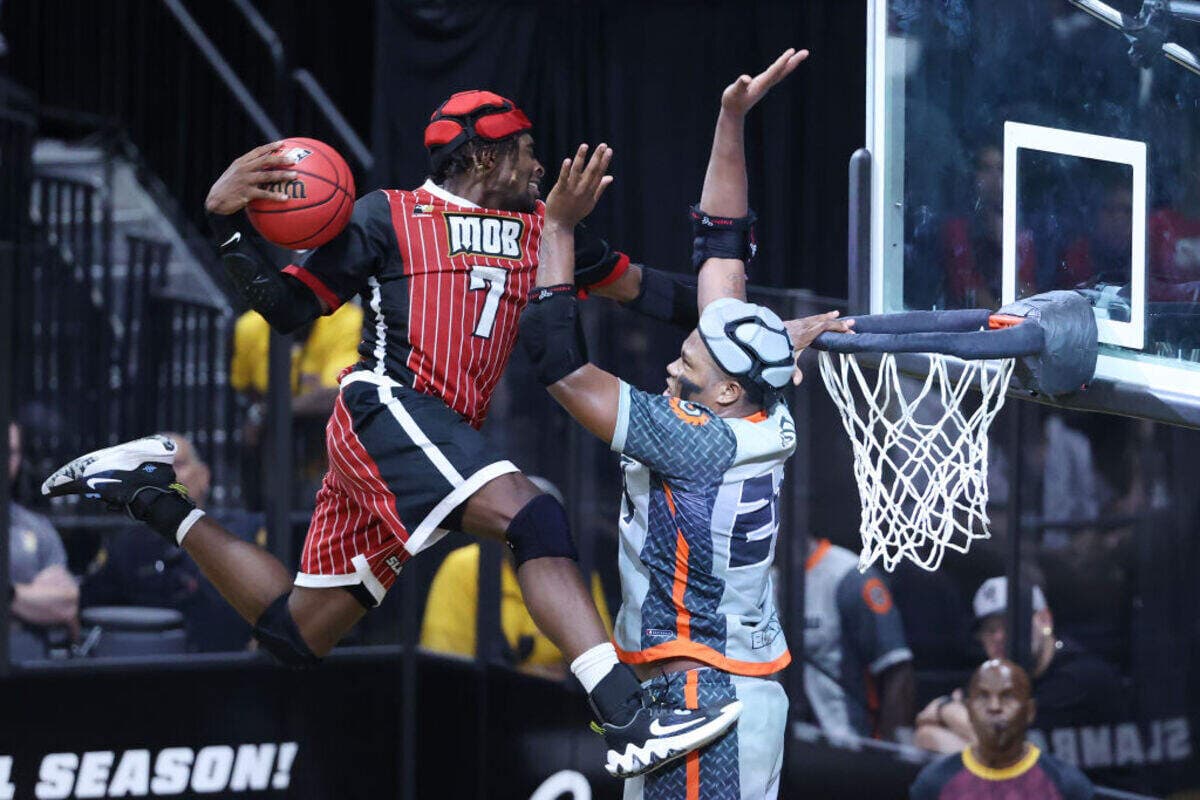
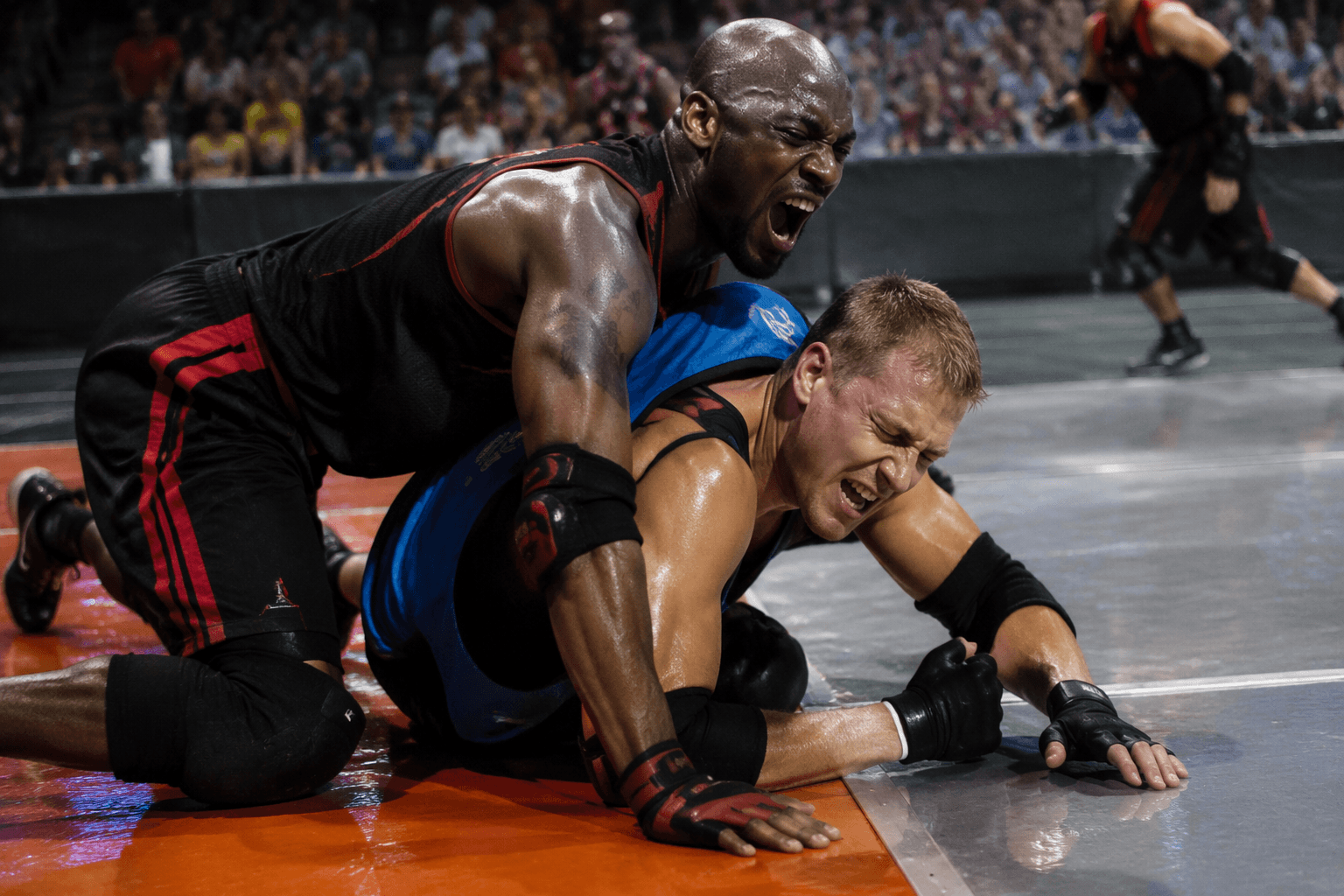
SlamBall always had one thing going for it abroad: the first few seconds tell the story. The 2023 relaunch materials describe the sport as a blend of basketball, football, hockey and trampolines, and that combination gives viewers immediate visual shorthand. In a basketball-heavy market like China, the court game was already familiar, but SlamBall added speed, collisions and verticality that made it feel new without becoming unreadable.
That is why the China chapter works as more than international color. The format had to prove it could be organized, taught and watched as a legitimate sport, not just an American entertainment idea with padded walls. The sport’s small-team structure and fast possession changes made it easy to follow once the action started, which helped it travel in a way that many niche sports never do. It was strange, but not opaque.
The paper trail shows a multi-year run, not a one-off showcase
The evidence in China is durable. China Daily ran “SlamBall bounces into town” on June 18, 2012, then followed with “Playing ball, with a twist” on January 8, 2016. Those dates matter because they show a spread of years, not a single exhibition weekend, and they match the league’s own records of Chinese championships in 2012 and 2016.
VICE Sports added another layer on April 15, 2015, with a piece titled “SlamBall is Alive in China.” That description is important because it framed the sport as active, not archived. It also reported that SlamBall was focusing on bringing programs to universities before securing TV rights in China, a practical sequence that says a lot about how the league tried to build legitimacy from the ground up. Mason Gordon put the strategy in blunt terms: “We never left, we just needed to take the best path for us.”
That quote is the key to the China story. The league was not waiting for an American comeback to define its identity. It was using universities, local interest and eventual broadcast ambitions to keep the format alive while the U.S. cycle cooled.
Titles, coaches and players gave China real competitive weight
The strongest proof that SlamBall mattered in China is competitive, not promotional. The official SlamBall site says the Mob won league championships in China in 2012 and 2016. Those titles turn the China chapter into a true part of league history, with trophies attached instead of just appearances or demonstrations.
Brendan Kirsch is central to that continuity. SlamBall’s official bio says he coached the Mob during the league’s first four seasons, including 2012, when they won the league title in China. That makes him more than a name in the background. He is a bridge between the early era and the overseas run, the kind of coach who gives a niche league continuity when its broadcast profile is unstable.
Noah Ballou provides another thread. The league’s records say he won championships as a team captain with the Mob in 2003 and again in 2016 in China. That kind of repeat success is rare in a sport that has had to fight for visibility, and it shows that the China chapter was not just about exporting the product. It also developed recognizable winners, which is how an unusual league builds memory.
Why the China chapter still matters to the current relaunch
SlamBall’s return works because the league now has proof that its identity survives outside U.S. television cycles. The sport did not have to wait for mainstream approval to remain alive, and China gave it the most important demonstration of that. A multi-year presence, university outreach, TV-rights ambition and championship outcomes created a record that the relaunch can stand on.
That record also explains why SlamBall keeps resonating with athletes and fans who like speed and impact over polish. The game’s mix of basketball, football, hockey and trampolines is unusual enough to stand out, but structured enough to build a real competitive culture around. China showed that this was not just an American warehouse idea with a short shelf life. It was a format that could travel, recruit, crown champions and wait for its next window.
This article was produced by Prism’s automated news system from verified source data, official records, and press releases, then run through automated quality and moderation checks before publishing. The system is built and supervised by the people who set the standards it runs under. Read our full AI policy.
Did this article answer your question?