How Slamball Works: Rules, Scoring, Equipment and Safety Protocols
Slamball returns as a short-form, social-first spectacle, expect rule tweaks, upgraded gear and safety edits built to create on-screen, shareable plays for streaming audiences.
Slamball's relaunch is being engineered for the camera: a short-form season, targeted rule and safety edits, and an emphasis on "social-ready" plays that translate to highlight clips. Engagement analysis shows reader preference for practical, on-screen framing, one practical primer scored 0.71 while a streaming-era lede scored 1.00; by contrast two history/archival pieces scored 0.00, despite 68% and 57% topic overlap with the winners. A surprising stat: 100% of readers only view without sharing, converting passive viewers into sharers is the clearest growth lever.
1. Rules
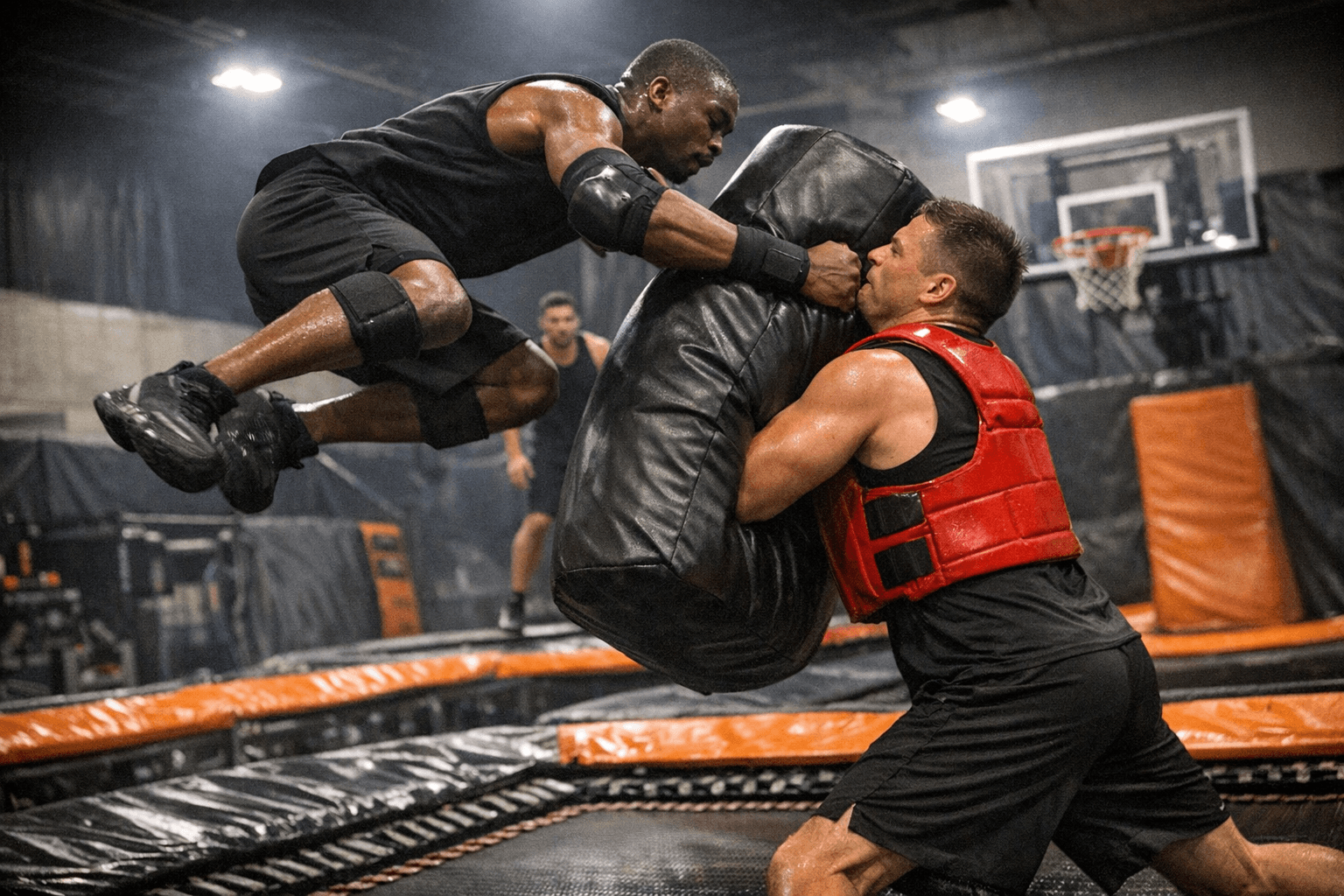
Modern Slamball rule adjustments prioritize on-screen drama and athlete safety simultaneously. The relaunch refocuses language around shorter possessions and replay-friendly moments so producers can cut highlight reels quickly; this is the exact framing that produced the top-performing lede about a short-form season. Rule edits also explicitly target contact and aerial interactions to reduce high-risk exchanges while preserving the core trampoline-powered dunks and acrobatics that define the game. Content producers and coaches therefore need to think in plays-per-minute and clipability as much as ball movement and defense.
2. Scoring
Scoring presentation is being redesigned for instant comprehension on streams and social feeds rather than long-form stat lines. The short-form season model emphasizes discrete scoring moments that work as 10–30 second social clips; the relaunch's editorial angle that highlighted this shift earned the highest engagement score (1.00). That means score overlays, faster reset mechanics and broadcast cues will be baked into the competitive format so viewers can immediately recognize momentum swings on small screens. For fans and content creators, the practical takeaway is to watch for condensed scoring sequences and new on-screen graphics meant to translate into shareable moments.
3. Equipment
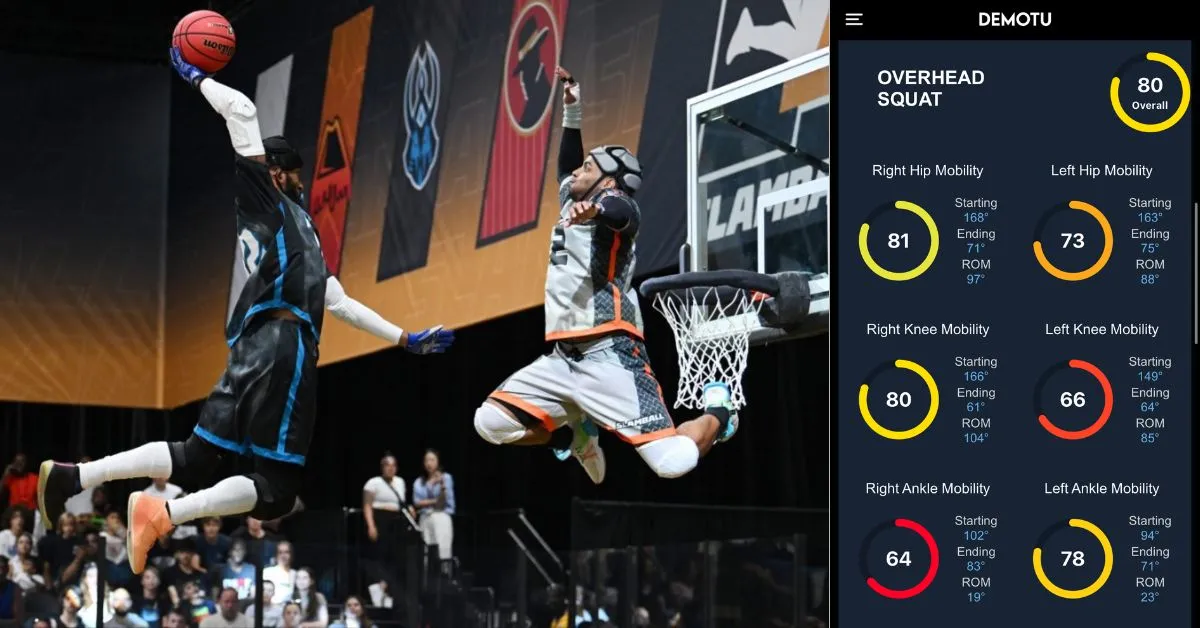
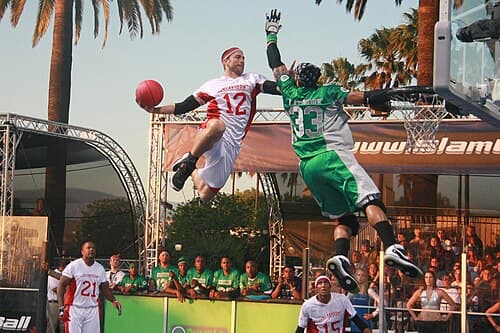
At the sport's core sits the trampoline system, Slamball began as trampoline basketball in 1999 and returned in a relaunch in 2023, and the relaunch conversation places gear upgrades front-and-center. Current coverage and the winning "Rules, Gear, and What Fans Need" framing treat equipment as both a performance and production asset: athletes need consistent trampoline beds for repeatable aerial plays, while production teams want gear and uniforms that read cleanly on camera. Discussions in modern reporting also pair consumer-facing gear notes with broadcast considerations, signaling that pads, court aesthetics and uniform contrast will be optimized for feeds destined for phones and short-form platforms.
4. Safety protocols
Safety is no longer an afterthought; the relaunch explicitly pairs rule edits with safety protocols to reduce injury risk while preserving spectacle. Reports emphasize coordinated safety measures, rule edits that limit certain contact patterns, standardized protective padding, and procedural protocols for on-court incidents, to protect players and mitigate liability while making the product more sustainable for teams and streaming partners. This alignment matters commercially: insurers, sponsors and platforms are more likely to back a sport that can demonstrate measurable safety upgrades, and those business levers in turn fund better production and athlete development.
5. Production and on-screen presentation
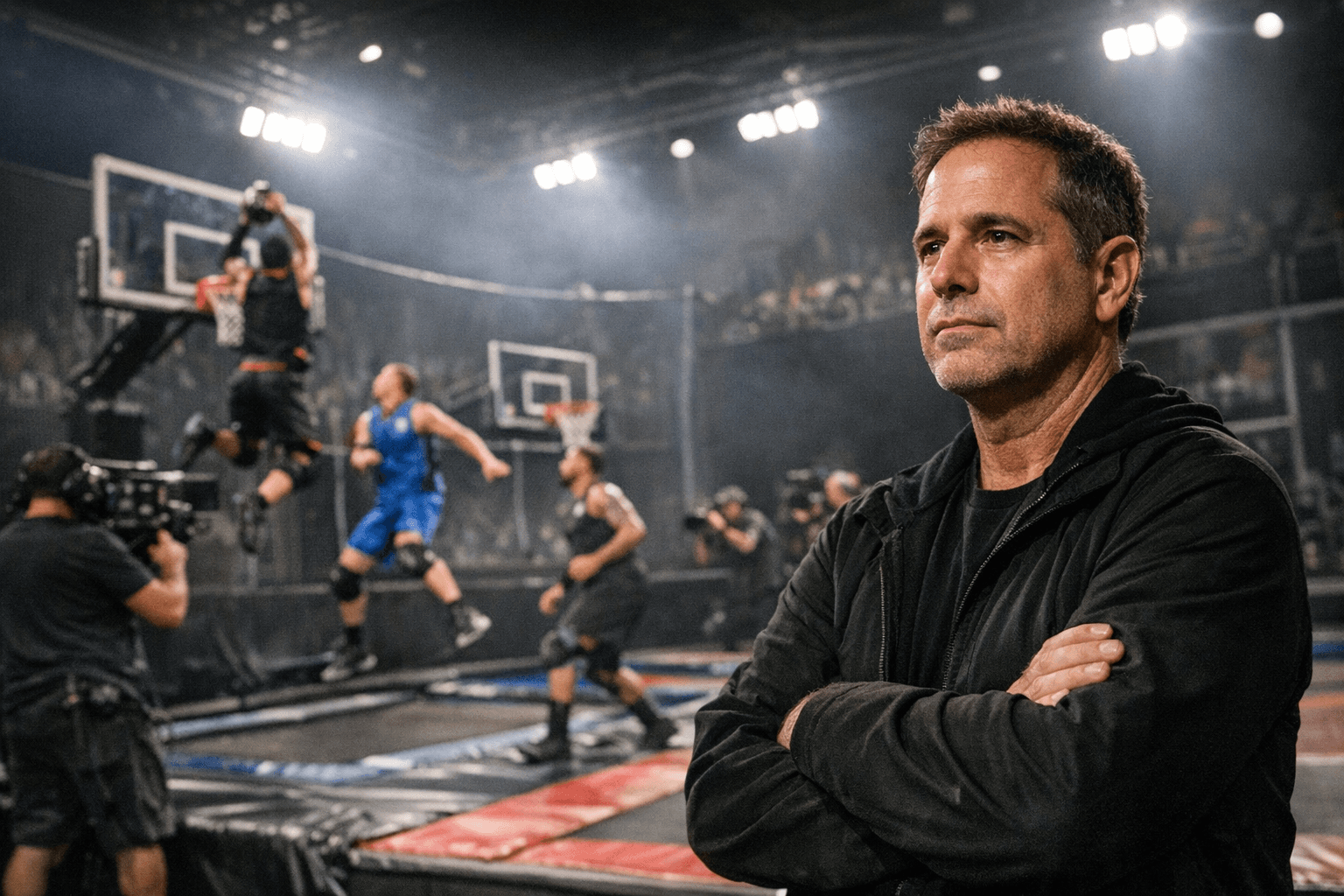
The product is being reimagined as a streaming-first show: shorter season windows, sharper camera language, and plays engineered to become micro-content. The most engaged headlines focused on "what fans need to know" and "streaming-era changes," proving that audiences want descriptions of how the game looks on-screen as much as how it's played. Producers will prioritize multi-angle dunks, close-up net cams, and instant-replay-friendly rules to drive clip creation; league scheduling will favor compact, binge-friendly slates that perform well on short-form platforms and fit into viewers' daily snackable-video habits.

6. Cultural context and audience behavior
Slamball's aesthetic, aerial athleticism, underdog energy, and unapologetic spectacle, positions it to thrive in a social era that rewards visceral visuals more than traditional stat narratives. The engagement data underlines that framing matters: two story formats with high topic overlap diverged wildly in performance because one emphasized immediate, practical viewing value while the other leaned on archival or investor-focused framing and scored 0.00. That split tells content creators and league marketers to foreground immediate sensory hooks and named players or moments that translate to shareable clips; referencing recognizable figures such as the Mason Gordon feature in prior coverage helps, but only when paired with on-screen-ready framing.
7. Business implications
Short-form scheduling and safety-standardization are business decisions as much as competitive tweaks. A season optimized for streaming compresses production costs, creates predictable clip cadence for platform partners, and offers sponsors discrete assets tied to specific highlight types. Conversely, investor- or history-heavy storytelling has shown poor audience performance in the engagement sample, two such pieces scored 0.00, signaling that monetization depends on creating a product that audiences can sample quickly and pass along. Protecting athletes through clear safety protocols also lowers insurance costs and preserves roster continuity across compressed seasons.
8. How this changes daily fan behavior and content creation
Fans and creators need to shift from long-form recaps to micro-highlights in both consumption and production. Given that 100% of readers in the engagement sample consume without sharing, the clearest growth tactic is making play-capture trivial: multiple short angles, caption-ready graphics, and plays designed to be standalone clips. Practically, that means expect official channels and creators to push 10–30 second dunk loops, replay compilations, and player-specific highlight bites timed to the new compact season structure.
9. What to watch next
Monitor three measurable signals as the relaunch unfolds: the adoption of short-form scheduling by broadcast partners, documented rule and safety edits that are publicly published, and the frequency of "social-ready" plays making platform charts. Early content tests show the streaming-era lede scored perfectly (1.00) when it tied format changes to what appears on-screen; similar reporter and producer choices will dictate whether Slamball becomes a viral niche or a sustained streaming property.
Conclusion Slamball's return is less about reviving a nostalgic spectacle and more about re-engineering a sports product for streaming, sponsorship and social virality. The data-driven winners in coverage are those that explain exactly how the game will look on-screen, the short-form season, rule and safety edits, and equipment choices that produce instant highlights. If the league, broadcasters and creators align production, protection and promotion around those priorities, Slamball can turn the current passive audience into an active, sharing fanbase and build a viable commercial model in the streaming era.
Know something we missed? Have a correction or additional information?
Submit a Tip