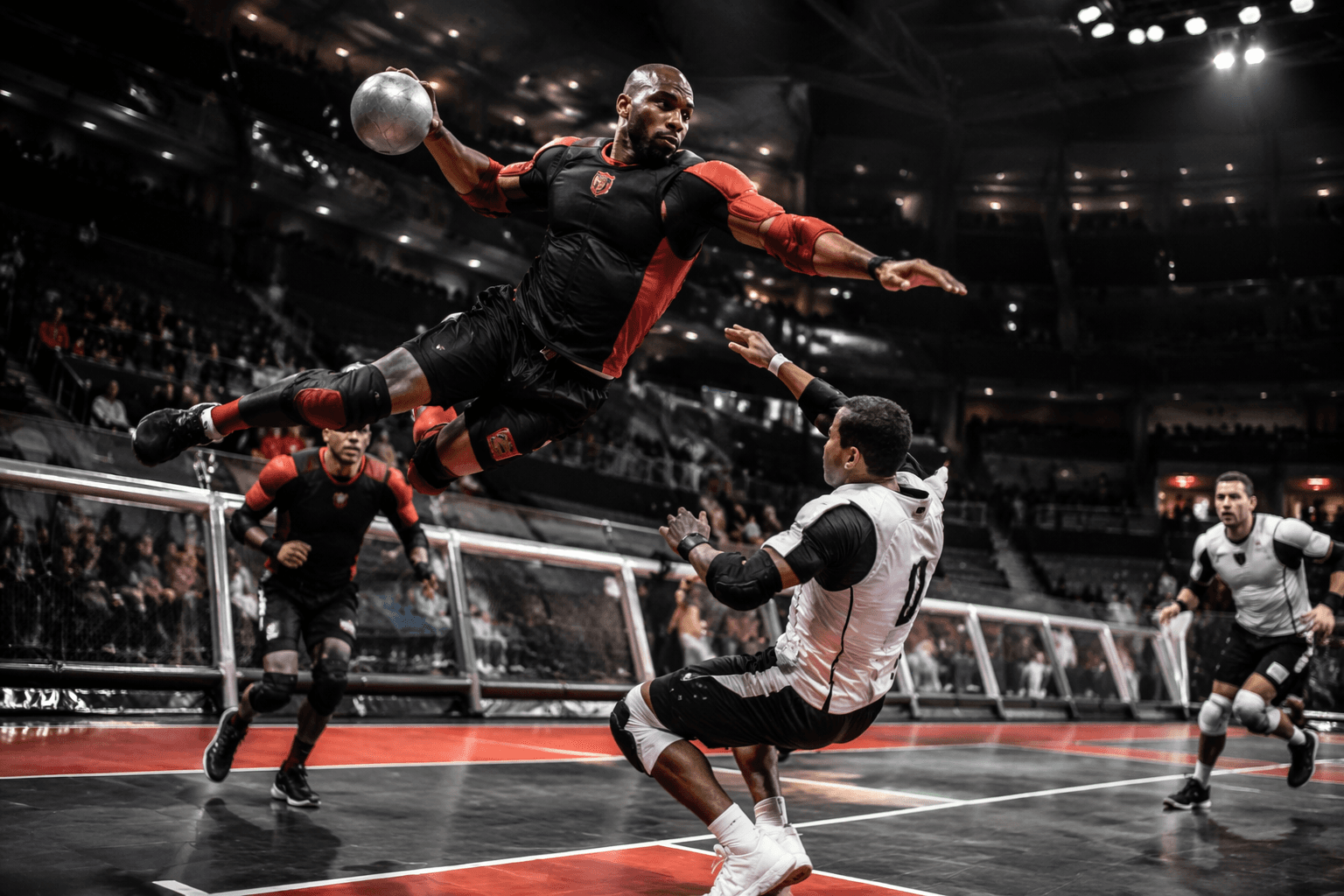
Inside Slamball Conditioning: Plyometrics, Air Awareness, Impact Management
Slamball conditioning centers on plyometrics, air-awareness, and impact management to deliver repeatable aerial highlights while protecting player joints and careers.
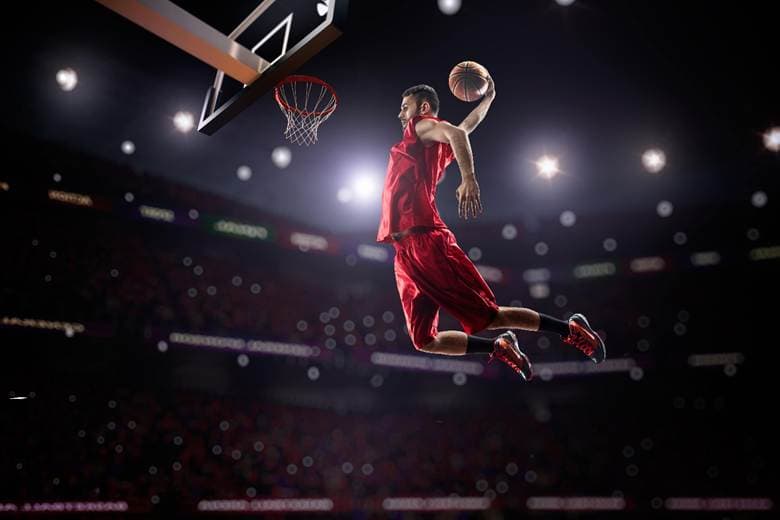
Slamball's high-flying theater depends on training that turns spectacular air time into a repeatable, lower-risk skill set. Athletes prepare around three pillars - trampoline-adapted plyometrics, in-flight body control, and joint-protection work - backed by progressive contact drills and certified equipment to keep highlight plays consistent and sustainable.
Plyometrics built for a trampoline bed are the backbone of preparation. Coaches emphasize multi-directional leaps that mirror game approaches to the rim: controlled depth jumps, single-leg bounds, progressive height work and multi-jump sequences that start low and build to game speed. Those drills not only generate explosive takeoff but teach controlled landings so players can string repetitions together without breaking down under volume.
Air-awareness and in-flight skills form the sport’s second pillar. Training focuses on catching and finishing in the air, mid-air passing, and collision management through partnered catch-and-finish reps, simulated contested dunks, and foam-pit repetition to desensitize fear responses. The aim is consistent movement patterns across three axes while airborne, enabling gunners to time alley-oops, handlers to lead trim trajectories, and stoppers to contest without losing body control.
Strength and joint-protection routines round out the core work. Programming features eccentric knee exercises, hip and glute strengthening, ankle-stabilizer drills and rotational core work to support mid-air posture and reduce soft-tissue injury risk. Specific lifts and modalities include Romanian deadlifts, eccentric step-downs, band-resisted ankle drills and glute-ham raises, paired with mobility, foam rolling and targeted prehab to cope with the sport’s high jump frequency.

Reactive decision-making and contact progressions translate physical preparedness into game performance. Small-group competitive drills, short shot-clock scrimmages and repeated face-off scenarios recreate the cognitive load of aerial 50/50s and collisions. Role-specific work trains handlers on reads and distribution, gunners on timing and alley-oop conversions, and stoppers on rim protection and controlled hits. Video feedback and carefully ramped contact lower early-season injury risk while sharpening in-air instincts.
Facility and equipment standards matter commercially and practically. Commercially rated trampoline beds, tapered safety pads, consistent bed tension and transportable frame designs allow teams to practice high-velocity landings repeatedly. Foam pits and supervised progression lanes are essential before advancing athletes into full-contact aerial drills, and equipment partners are central to scaling safe training environments.
For coaches and teams, the implication is clear: blending trampoline-specific plyometrics, structured contact progressions and joint-preservation protocols makes the spectacle sustainable. For fans, that means more reliable highlight reels and longer careers for the players who make them. As Slamball grows, expect deeper ties between conditioning science, equipment manufacturers and team programs to keep the game both thrilling and resilient.
This article was produced by Prism’s automated news system from verified source data, official records, and press releases, then run through automated quality and moderation checks before publishing. The system is built and supervised by the people who set the standards it runs under. Read our full AI policy.
Did this article answer your question?