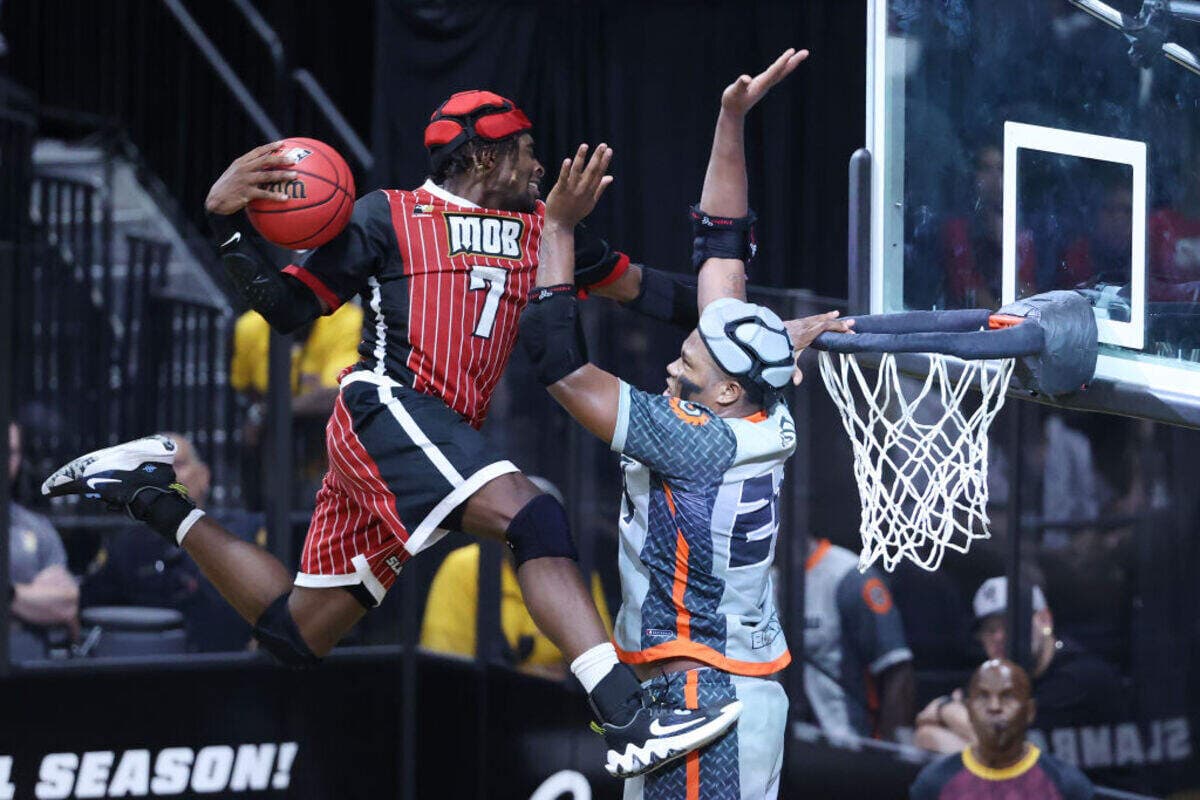
Lava’s balanced roster powers late surge into SlamBall playoffs
Lava’s seven-man mix turned a 0-5 start into the final playoff berth, with August 13 wins over Slashers and Buzzsaw sealing the surge.
Built to win ugly, fast, or physical
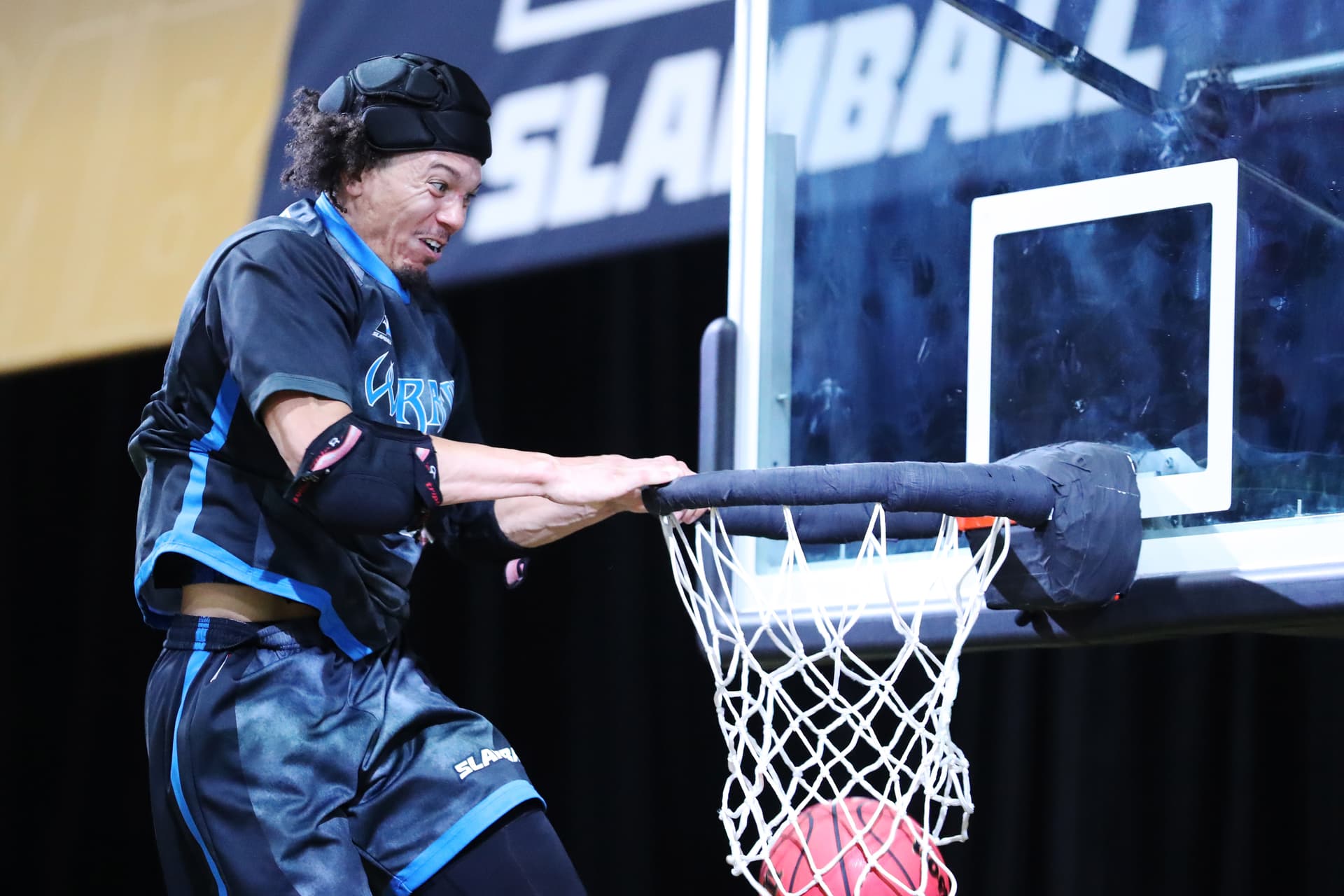
Lava’s playoff push was never about one hot hand. It was about a roster that could solve a different problem every quarter, and that is why the team turned a miserable 0-5 start into the final postseason spot. When the pace bogged down, Bryce Moragne and Nathaniel Harris gave Lava two handlers who could get the ball moving. When the game opened up, Joshua Shannon, Jihad Shockley, and Ermias Kassa supplied the shot-making. When the night turned into a wrestling match at the rim, Faysal Shafaat and Paxton Henry gave the club size that could change possession after possession.

That balance mattered because SlamBall does not reward one-dimensional teams. A quick outlet can become a transition burst, a gunner can turn space into points above the rim, and a big body can flip the court with a single defensive stand. Lava’s roster was built for those swings, which is exactly why its late surge looked less like luck and more like a team finally cashing the blueprint it had all along.
Moragne gave Lava a ceiling, Harris gave it control
The center of that blueprint was Bryce Moragne, the first overall pick in the 2023 SlamBall Draft and the most complete piece on the roster. SlamBall co-founder Mason Gordon said Moragne looked like “the most complete player” the league had ever seen, and that was not empty draft-night praise. Moragne brought real basketball production from Florida A&M, where he averaged 8.3 points and 6.2 rebounds per game from 2019-22, a profile that fits SlamBall’s demand for players who can score, rebound, and keep a possession alive.
Nathaniel Harris mattered just as much in a different way. He was the second handler on the squad list, and that matters in a sport where one clean outlet can become a tempo change in a heartbeat. If Moragne is the talent that forces defenses to react, Harris is the valve that keeps Lava from getting stuck when the half-court action slows. Together, they let Lava play with pace without becoming reckless, which is a far rarer skill than it looks from the outside.
The scoring wings changed the game state
Lava’s shot-makers gave the team a second gear. Joshua Shannon, Jihad Shockley, and Ermias Kassa were listed as gunner-type scorers, the kind of players who can punish a defense that leans too hard toward the handlers or collapses too deep on the size inside. In SlamBall, that kind of balance is not decorative. It is how a team keeps opponents from loading up on one matchup and daring someone else to beat them.
Shockley became the clearest example of that stress point. He scored 49 total points across Lava’s first two wins and earned Offensive Player of the Week honors, the kind of production that signals more than a good stretch. In the 61-43 win over the Rumble, he scored Lava’s first 15 points and finished with a season-high 26, which is exactly what a true pressure scorer does. He does not wait for the game to come to him. He forces the game to bend around him.
Shafaat and Henry made the roster harder to play against
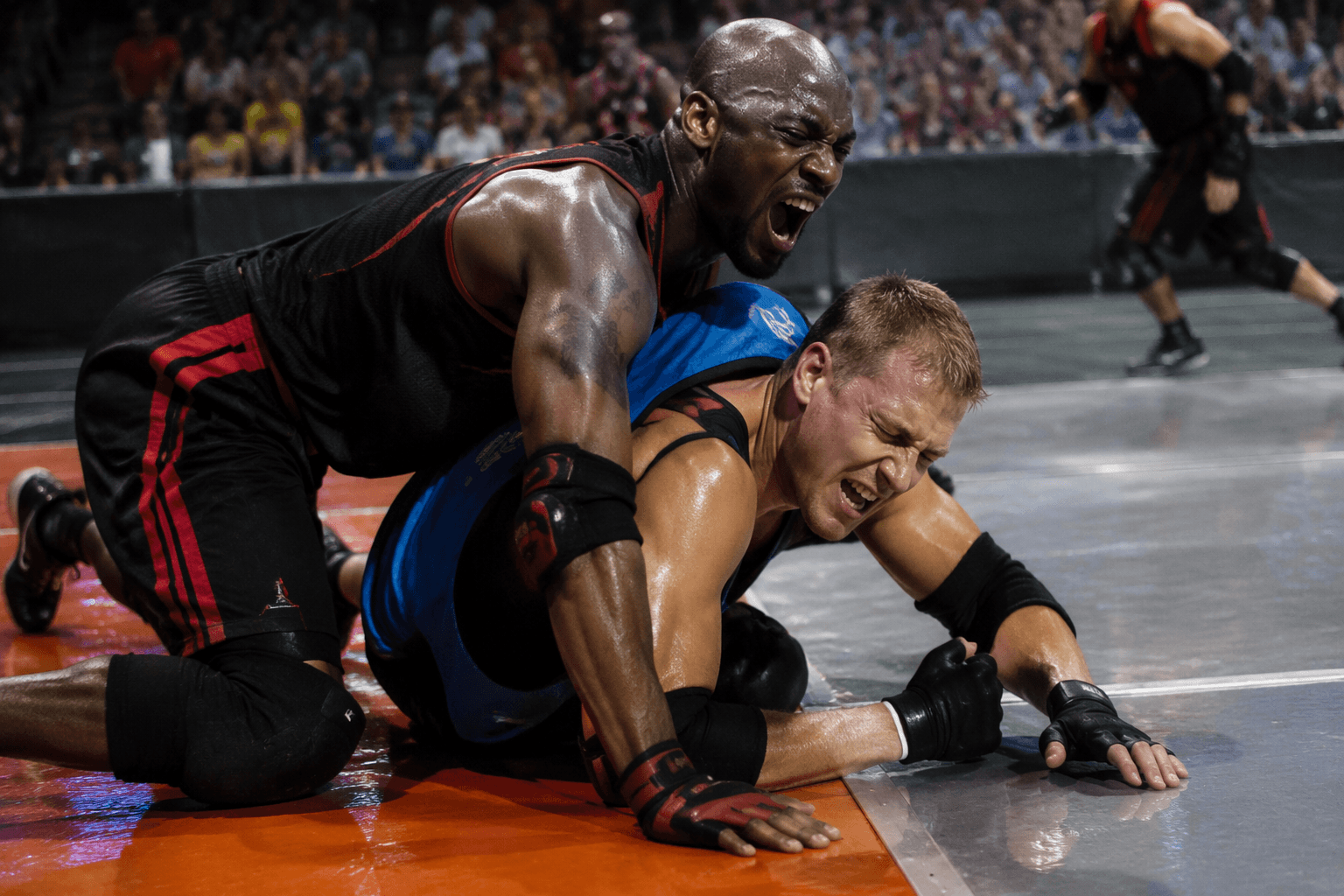
The other edge of Lava’s construction was size. Faysal Shafaat and Paxton Henry gave the team a physical backbone, and in SlamBall that backbone is not just about standing near the basket. It is about changing the geometry of the floor, winning contact, and turning misses into extra possessions. The league’s own stat language shows why that matters, because SlamBall tracks more than points and shots. It measures 4-point opportunity, rim attacks, layups, slams, assists, offensive face-offs, defensive face-offs, loose-ball recoveries, steals, turnovers, blocks, and penalty points.
That is a stat sheet built for a sport where possession is chaos. Lava’s size let it survive that chaos. Shafaat, who played football at Orlando Lutheran Academy, earned all-state honors, led the state with 20 sacks, and caught 26 passes for 538 yards and eight touchdowns, brought the kind of collision-proof athleticism that fits a high-contact, high-air game. He also became a voice inside the team, insisting the group had believed it was good all along and just needed time to get healthy and click after early injuries.
The comeback was rooted in injuries, then chemistry
Lava’s rise is more impressive when you remember where it started. The team opened 0-5 while dealing with injuries to Moragne and Shafaat during camp, a brutal setup for a roster that needed both of them to define its identity. But once the group got closer to full strength, it started to look like the same team the draft had promised, one that could win with tempo, spacing, and size all at once.
The turnaround became impossible to miss late. Lava won four of its last five regular-season games and finished 2-6 entering the final playoff race, then put the postseason in its own hands on August 13, 2023. It beat the Slashers 51-45 and the Buzzsaw 55-34 to clinch the final playoff spot, and that second win carried a direct consequence for the rest of the bracket: Buzzsaw’s loss handed Buzzsaw a playoff bye. The August 13 preview had Lava holding only a half-game lead on the Ozone for that final ticket, which tells you how thin the margin was. One bad night, and the whole story changes.
Why the roster works when the game tightens
The reason Lava matters as a playoff blueprint is that it can answer different problems without changing its identity. If the game stalls, Moragne and Harris can get the ball moving. If the defense overplays the handlers, Shockley, Shannon, and Kassa can punish the gap and create burst scoring. If the night turns into a rebound fight or a physical trench battle, Shafaat and Henry can make the game uglier in Lava’s favor.
That is the real lesson of the roster page. Lava is not just a team that got hot at the right time. It is a team with a structure that fits how SlamBall actually works, where face-offs, recoveries, blocks, and above-the-rim finishing can matter as much as the final shot count. The league’s 2023 relaunch was built around eight teams, seven-man rosters, and a month-long season in Las Vegas, but Lava turned that format into something more valuable: a proof of concept. The right mix of handlers, scorers, and size can survive the bad stretches, steal the possessions that matter, and still have enough left to finish the season in the bracket.
This article was produced by Prism’s automated news system from verified source data, official records, and press releases, then run through automated quality and moderation checks before publishing. The system is built and supervised by the people who set the standards it runs under. Read our full AI policy.
Did this article answer your question?