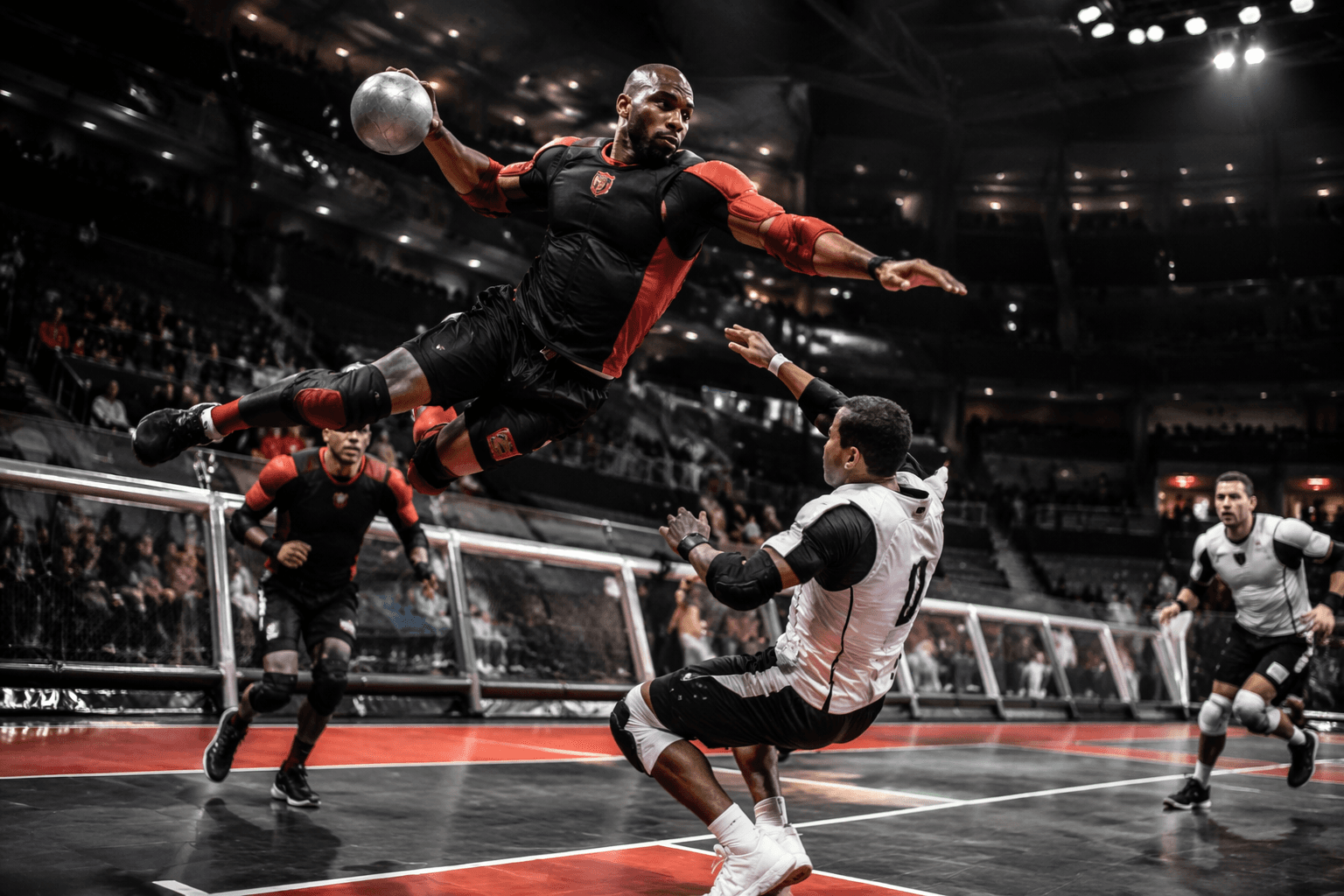
ManTheMob Tests Drunk Goggles on Slamball Players in Chaotic Wipeouts
ManTheMob put slamball players in drunk goggles at a SkyZone-style court, producing chaotic aerial attempts and wipeouts that spotlight safety, entertainment trends, and brand risk.
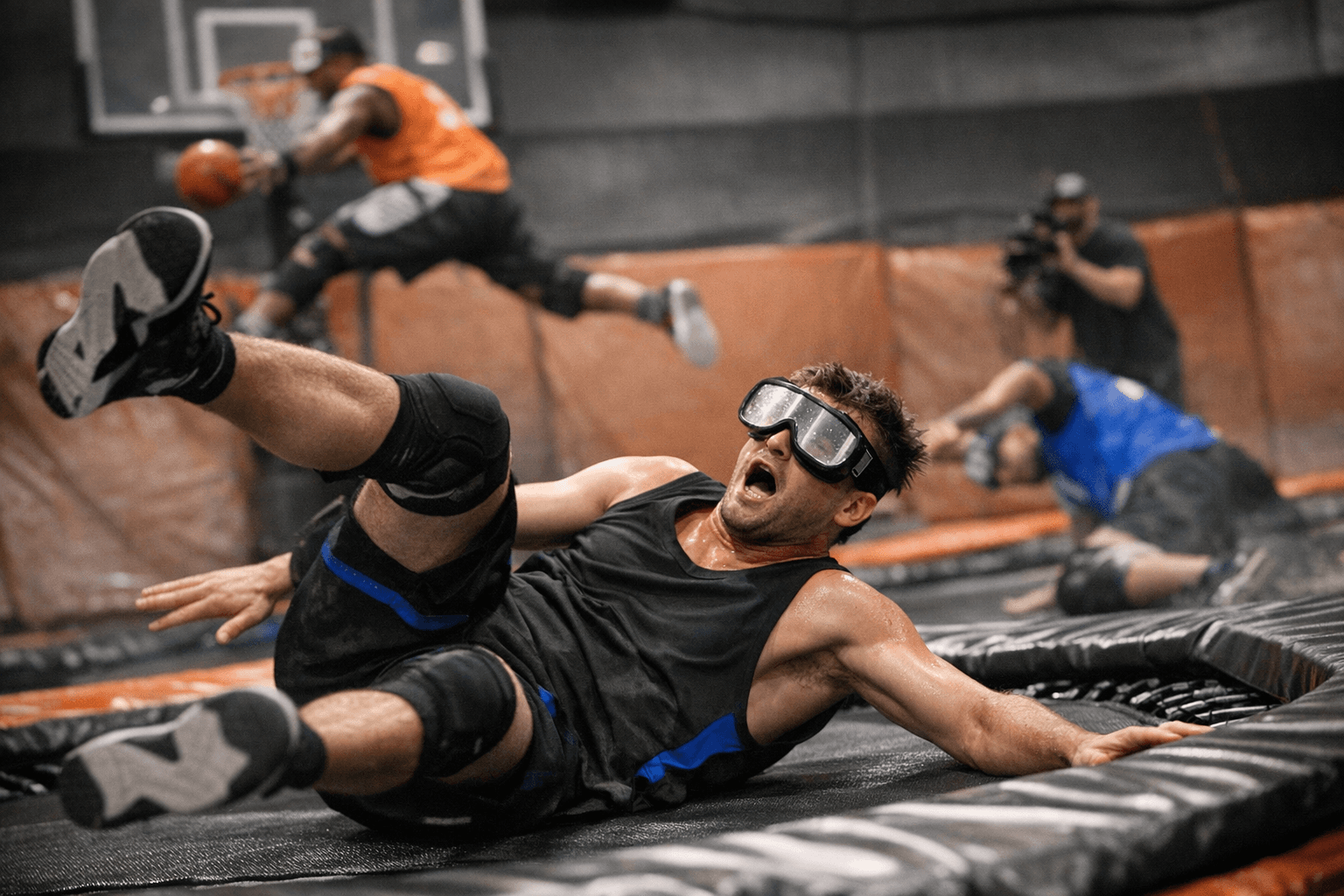
ManTheMob's follow-up episode turned a SkyZone-style slamball court into a staged experiment in impaired vision, sending players skyward in goggles designed to mimic drunkenness and capturing a string of dramatic misses and wipeouts. The clip, uploaded Feb 8, 2026, foregrounded big air attempts and chaotic landings rather than scorekeeping, and it quickly raised questions about safety, spectacle, and how stunt-driven content intersects with a contact sport built on aerial athleticism.
The setting was unmistakably entertainment-focused: a trampoline-backed slamball court, padded surfaces, and a production crew running an obstacle-style challenge. Participants tried to execute rebounds, passes, and dunks while vision was distorted. The result was a parade of high-risk attempts that often failed at the most basic timing cues. Passes sailed wide, jump timing deteriorated, and several attempts at rim finishes ended in awkward or uncontrolled landings. There was no formal final score presented in the clip; the emphasis was on the visual chaos and the cinematic value of large wipeouts rather than competitive outcomes.
From a performance perspective, the goggles demolished the fine motor timing that slamball depends on. Aerial rhythm and rebound anticipation are the sport's currency, and with depth perception altered, players were repeatedly late to the glass and unable to secure rebounds. That breakdown exposed how slamball rewards split-second spatial awareness and highlights the skill gap between stunt-ready attempts and disciplined play. Even skilled jumpers looked tentative when depth cues were compromised, turning potential highlight-reel dunks into heavy falls or missed jams.
Industry trends point to why this content landed. Action-sports venues and creators are packaging high-adrenaline formats to capture short-form attention, monetization and sponsorship. Trampoline parks and slamball arenas provide visually arresting backdrops, and creators like ManTheMob monetize spectacle. But the business upside carries brand and liability risk. Venues could face insurance scrutiny, and the slamball ecosystem must weigh the value of viral visibility against the potential for injury and reputational damage.
Culturally, the clip sits at an uncomfortable intersection. It caters to a social appetite for risky, laugh-driven stunts while normalizing simulated impairment as entertainment. That framing can dilute public understanding of real-world intoxication harms and may encourage copycat behavior among younger viewers. For the slamball community, the episode is a reminder that the sport's identity - high-flying athleticism with inherent risk - can be amplified or trivialized by influencer-driven content.
For fans and stakeholders, the takeaway is practical. Expect more crossover content that blends sport and stunt, and watch how venues, leagues, and creators set boundaries. Slamball promoters should clarify safety protocols and messaging, and operators should review insurance and waiver language. For viewers, the spectacle is immediate and viral, but the longer-term conversation will be about how the sport protects athletes while negotiating the attention economy.
This article was produced by Prism’s automated news system from verified source data, official records, and press releases, then run through automated quality and moderation checks before publishing. The system is built and supervised by the people who set the standards it runs under. Read our full AI policy.
Did this article answer your question?