Relaunched SlamBall's Social-First Model Reshapes Broadcasting, Sponsorship, Fan Experience
SlamBall’s relaunch favors short-form, social-first programming, forcing broadcasters, sponsors, fans, and players to trade full-game windows for clip-driven distribution and platform-native activations.
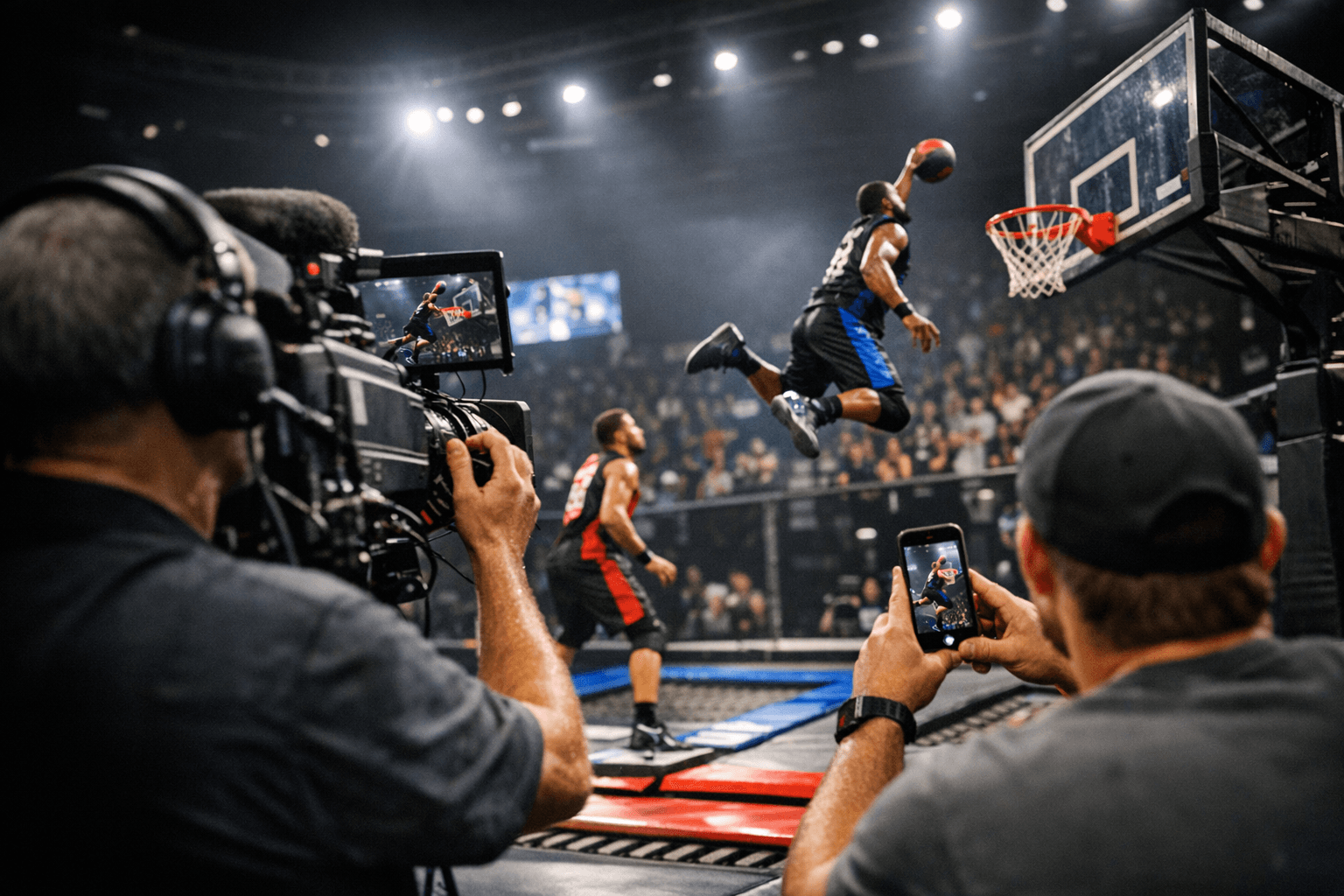
The relaunched SlamBall intentionally built its product around a short-form, social-first model, a strategic decision the league made in recent seasons to fit the streaming attention economy. That shift has immediate consequences for broadcasters, who now face packaging rights as a library of clips and vertical highlights rather than traditional full-game inventory.
Broadcasters who pursue SlamBall rights will confront a different commercial structure: distribution deals centered on platform-native content and shareable moments, not linear-run totals. League statements and sports-business reporting indicate broadcasters are negotiating for rights to highlight packages, in-arena cutaways, and social exclusives that feed short-form feeds and streaming partners.
Sponsors are rethinking activation around social reach instead of traditional impressions. Under the relaunch model, brands buy into moments that travel on short platforms, and sponsorship metrics tilt toward views, engagement, and creator-led activations. The result is sponsorship creative that prioritizes quick-turn, highly produced clips and integrated content with players who operate as on-platform storytellers.
Fans and participants see the model in the season design and product delivery. The league’s short-form emphasis compresses calendar windows and packages content for clips, which changes how fans discover and follow players. For participants, the relaunch ties performance to visibility: player value increasingly depends on platform traction and clip virality as much as on-court production.
The social-first approach also reshapes the live experience. League programming decisions aim to produce shareable plays and highlight reels for distributors and advertisers, which can alter pacing and stoppage patterns and prioritize spectacle over extended game narratives. That trade-off is part of the intentional design from the relaunch in recent seasons, and it frames conversations between venue operators, broadcast partners, and league officials.
Looking ahead, SlamBall’s model creates a bargaining dynamic where streaming platforms and short-form distributors hold transactional leverage over traditional broadcasters and linear sponsors. The league’s recent choices make social distribution the default currency of value, and that will determine how rights are priced, how sponsors measure ROI, and how players cultivate off-court earning opportunities. As the relaunched SlamBall continues to prioritize short-form social content, the sport’s commercial architecture will keep shifting toward clip-first economics and platform-native partnerships.
Know something we missed? Have a correction or additional information?
Submit a Tip