SlamBall Example: Distribution Is Key, Pop-Up Tours and Creators Recommended
An industry analysis by Andrew Petcash finds distribution is the biggest failure point for new leagues and urges SlamBall to lean on pop-up tours, creators, and short-form highlights.

Distribution remains the single biggest failure point for new and hybrid sports leagues, and that diagnosis has immediate implications for SlamBall as it seeks a second life. An industry analysis by Andrew Petcash dated January 21, 2026 lays out why media exposure and audience-building, not rule tweaks or athlete recruitment, are the make-or-break variables for niche formats, and it names SlamBall as one of the contemporary properties that can benefit from a distribution-first playbook.
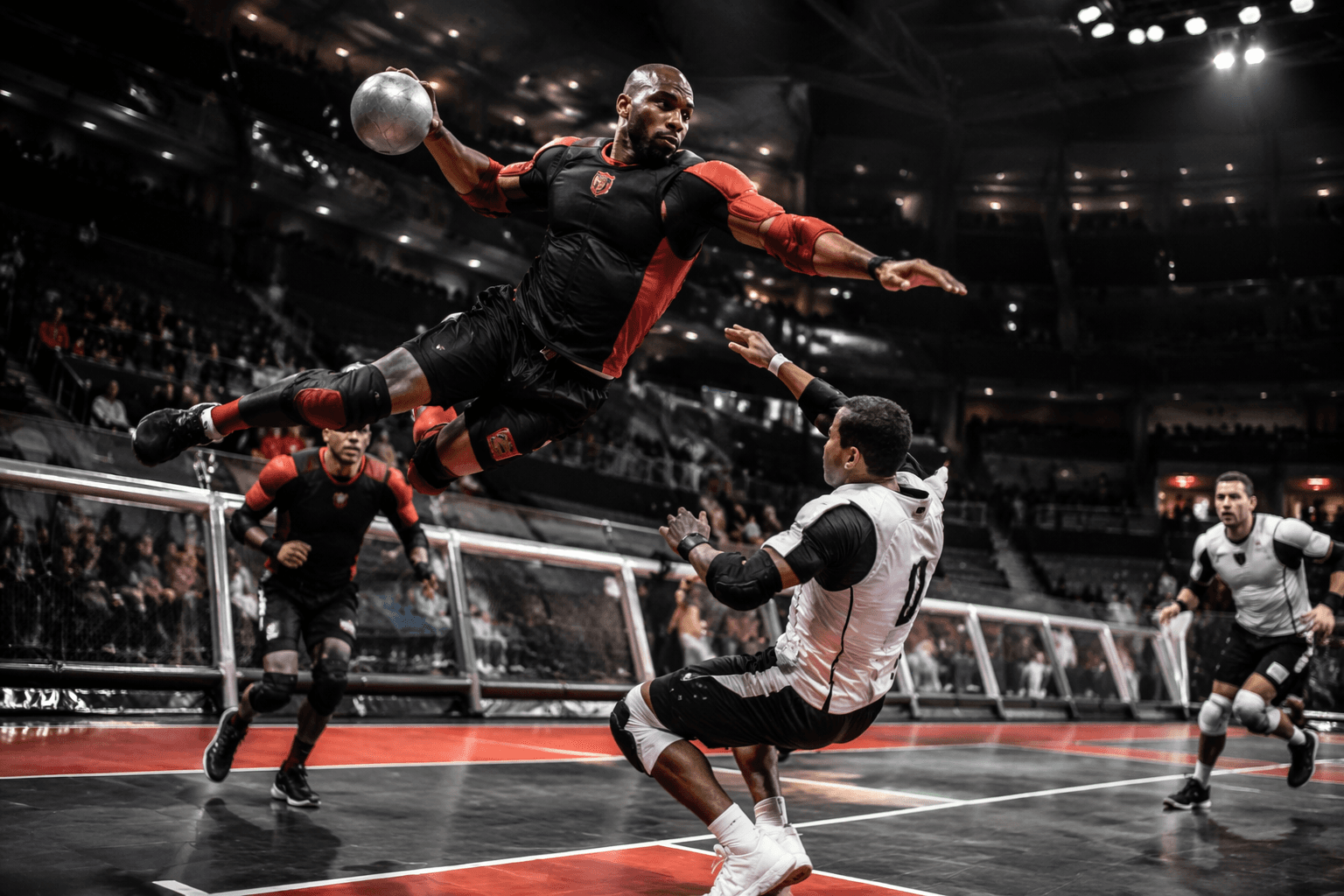
Petcash singled out formats that blend spectacle and competition, noting SlamBall as “SlamBall, basketball meets trampolines.” The piece describes SlamBall as a “sport that mixes spectacle and competition,” a shorthand that captures its core selling point: high-flying dunks, quick highlight cycles, and a visual product built for short-form feeds. That proposition is valuable, but only if it reaches viewers consistently and repeatedly.
The analysis offers a practical set of strategies operators and investors can deploy. Mobile pop-up and micro-tour events are recommended to create scarcity and local buzz, think weekend-long SlamBall stops in secondary markets rather than a stretched national season. Creator-led micro-leagues are highlighted as a parallel distribution route: partnering with creators who can produce daily short-form highlights, behind-the-scenes content, and match narratives reduces reliance on traditional broadcasters. The paper also stresses audience-first intellectual property building and hybrid live/gaming experiences as ways to monetize attention and extend fan engagement beyond arena hours.
For SlamBall, the business case is clear. Short-form highlight packages can turn skyline dunks into reusable IP that fuels sponsorships, betting markets, and merchandise drops. Pop-up tours give promoters an opportunity to test markets, sell experiential tickets at a premium, and generate creator content in front of live crowds. Integrating gaming elements, live fantasy or interactive overlays, can capture younger, digital-native audiences and create alternate revenue streams that reduce the pressure on linear TV deals.
Culturally, the recommendations recognize the creator economy’s role in shaping sports fandom. SlamBall’s visual dynamism aligns with TikTok and YouTube Shorts consumption patterns; creators who translate on-court action into narrative moments can become de facto team brand managers and community builders. Socially, micro-tours can make SlamBall more accessible to regions without major arena infrastructure, democratizing access to a sport that is inherently participatory and performance-driven.
For operators and investors evaluating nontraditional league models, the takeaway is straightforward: invest in distribution as you would in athlete development. For fans and local promoters, expect to see more pop-up SlamBall stops, creator partnerships, and short-form highlight campaigns as the league experiments with a sustainable model. If those experiments succeed, SlamBall’s next step will be less about inventing new rules and more about getting its best moments in front of the right eyeballs.
This article was produced by Prism’s automated news system from verified source data, official records, and press releases, then run through automated quality and moderation checks before publishing. The system is built and supervised by the people who set the standards it runs under. Read our full AI policy.
Did this article answer your question?