SlamBall relaunch unveils eight teams, ESPN debut, and Ken Carter return
SlamBall’s comeback came with eight team identities, a 56-player draft pool, and Ken Carter back on the Rumble. The Mob and Buzzsaw opened with wins as ESPN launched the reboot.
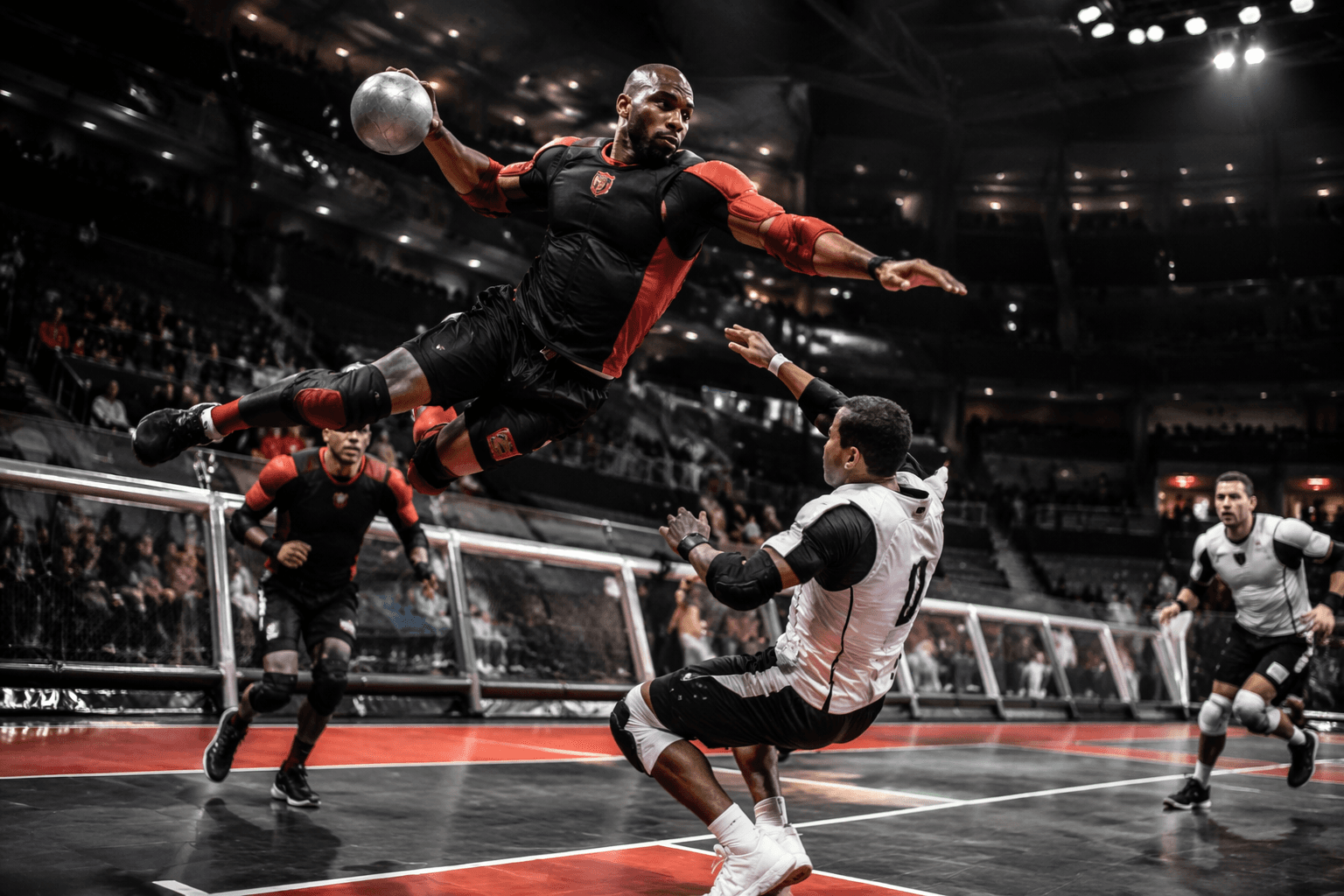
SlamBall’s return opened with more than nostalgia at Cox Pavilion in Las Vegas. The Mob and Buzzsaw won the first night of competition, and the league’s ESPN debut immediately framed the comeback as a live, marketable event built for a national audience rather than a one-night stunt.
That was the point of the relaunch package from the start. SlamBall said more than 60 hours of action would air across ESPN, ESPN2, and ESPN+, with the season running through a month of games and playoffs. The championship was set for August 17 on ESPN2, and ESPN described the sport as returning after a 20-plus-year layoff. In other words, the league was not just reviving a brand. It was trying to reintroduce itself as a full broadcast property with a defined schedule, a final, and enough programming volume to keep viewers coming back.
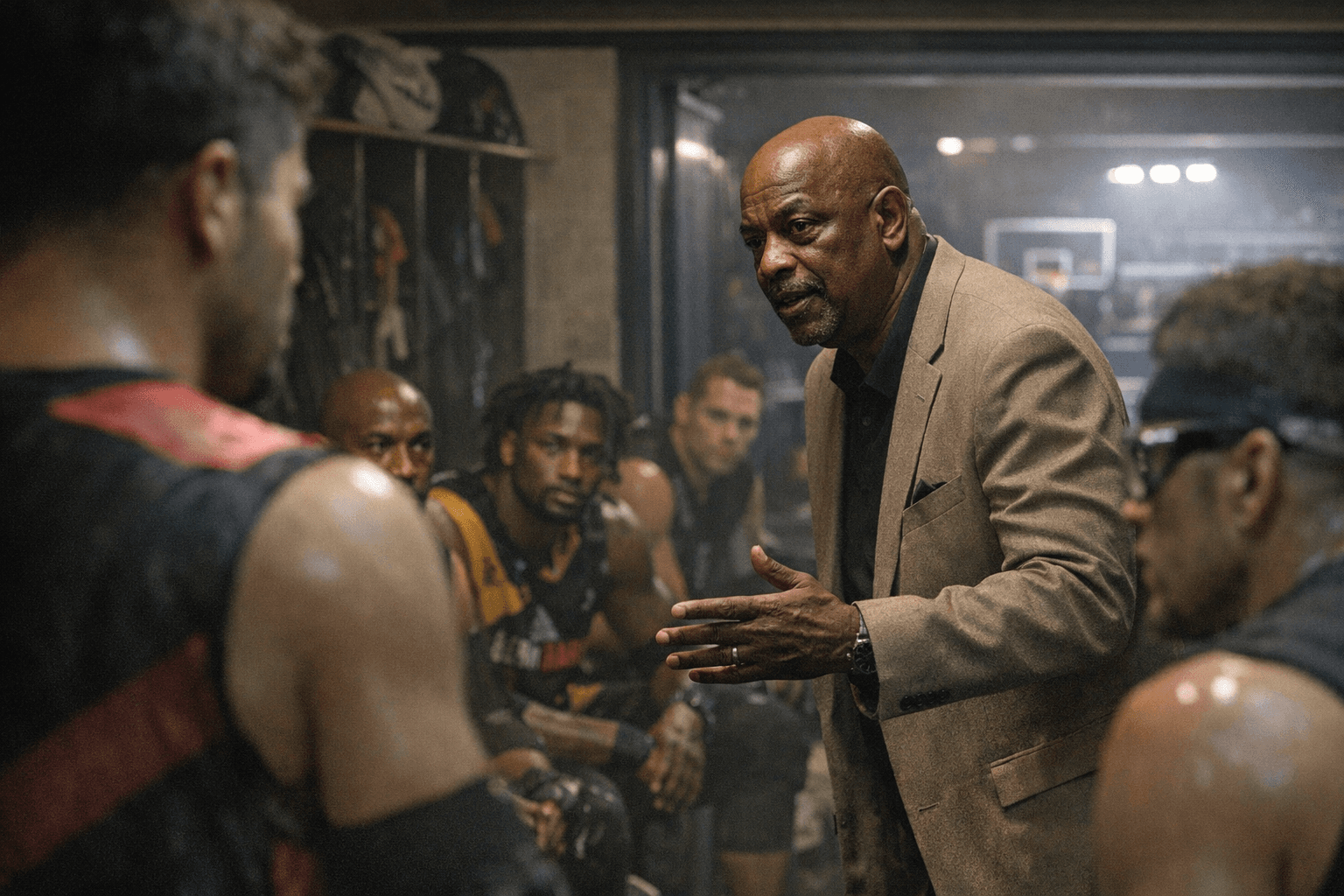
The identity work was just as deliberate. Three legacy teams, the Mob, Rumble, and Slashers, stayed in place, while five newcomers, Buzzsaw, Gryphons, Lava, Ozone, and Wrath, gave the league fresh hooks for new fans. Every one of the eight teams was led by a former SlamBall player or coach, which gave the reboot immediate credibility and built in rivalries from the start. Ken Carter’s return to coach the Rumble was the clearest example. He had guided the franchise to its first SlamBall Cup title in 2001-02, and his name still carries the crossover recognition tied to Coach Carter, the film starring Samuel L. Jackson that drew from Carter’s real-life work in Richmond, California.
The roster construction fit the same strategy. The June draft produced a 56-player pool, and the league later published the full draft results by round and team. SlamBall said 68 percent of the drafted players came from basketball, 16 percent from football, 9 percent from track and field, and 7 percent had multi-sport backgrounds. The average age was 26.9, a useful snapshot of a league leaning on experienced, physically mature athletes rather than teenage prospects. Ozone’s Vincent Boumann, at 6-foot-9, stood as the tallest player, while the Slashers’ Tony Crosby II, at 5-foot-6, was the shortest, a reminder that SlamBall still thrives on contrast, collision, and unusual body types.
The branding push underscored how carefully the relaunch was staged. SlamBall unveiled its new SlamMan logo and color scheme on June 22, with Gameplan Creative credited for the design work. That visual reset, paired with the legacy names and coach-led franchises, signaled a league trying to balance memory and modernization. SlamBall still sells the collision of basketball, football, hockey, and trampolines, but in 2023 it did so with the structure, packaging, and television-ready storylines needed to make the comeback feel like a real sports business.
This article was produced by Prism’s automated news system from verified source data, official records, and press releases, then run through automated quality and moderation checks before publishing. The system is built and supervised by the people who set the standards it runs under. Read our full AI policy.
Did this article answer your question?