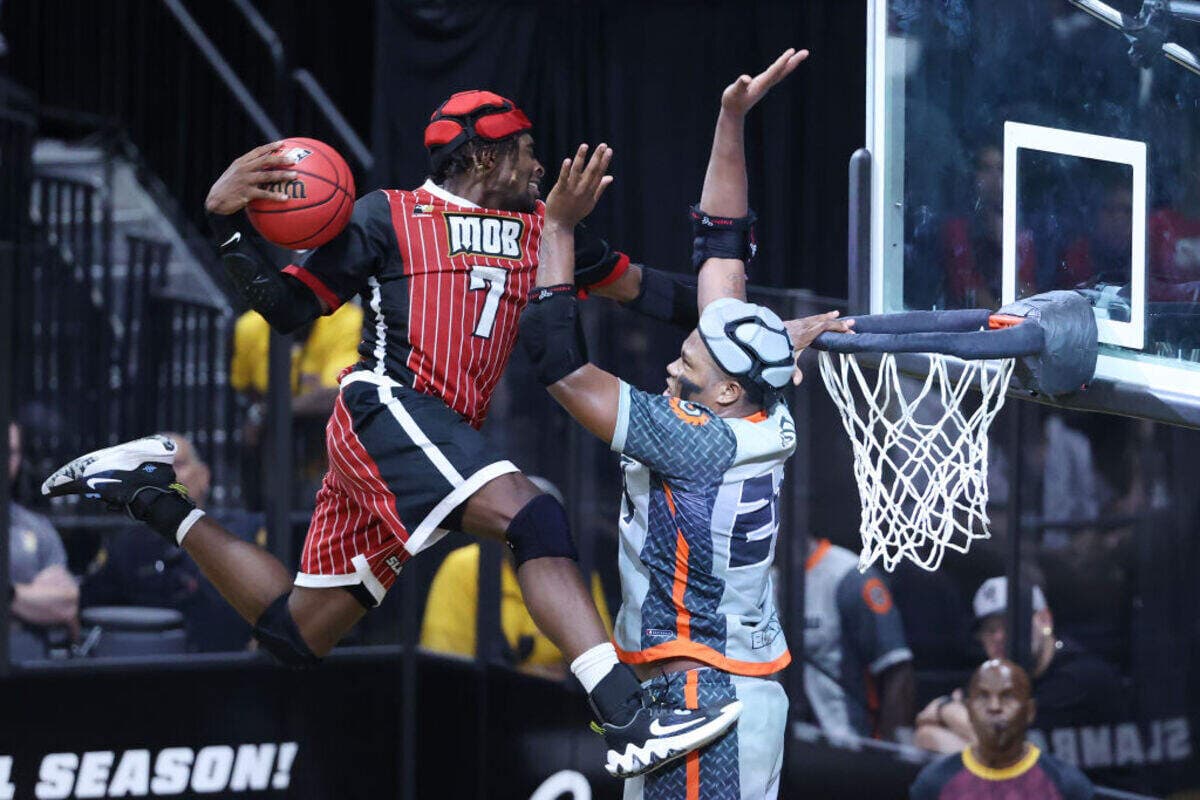
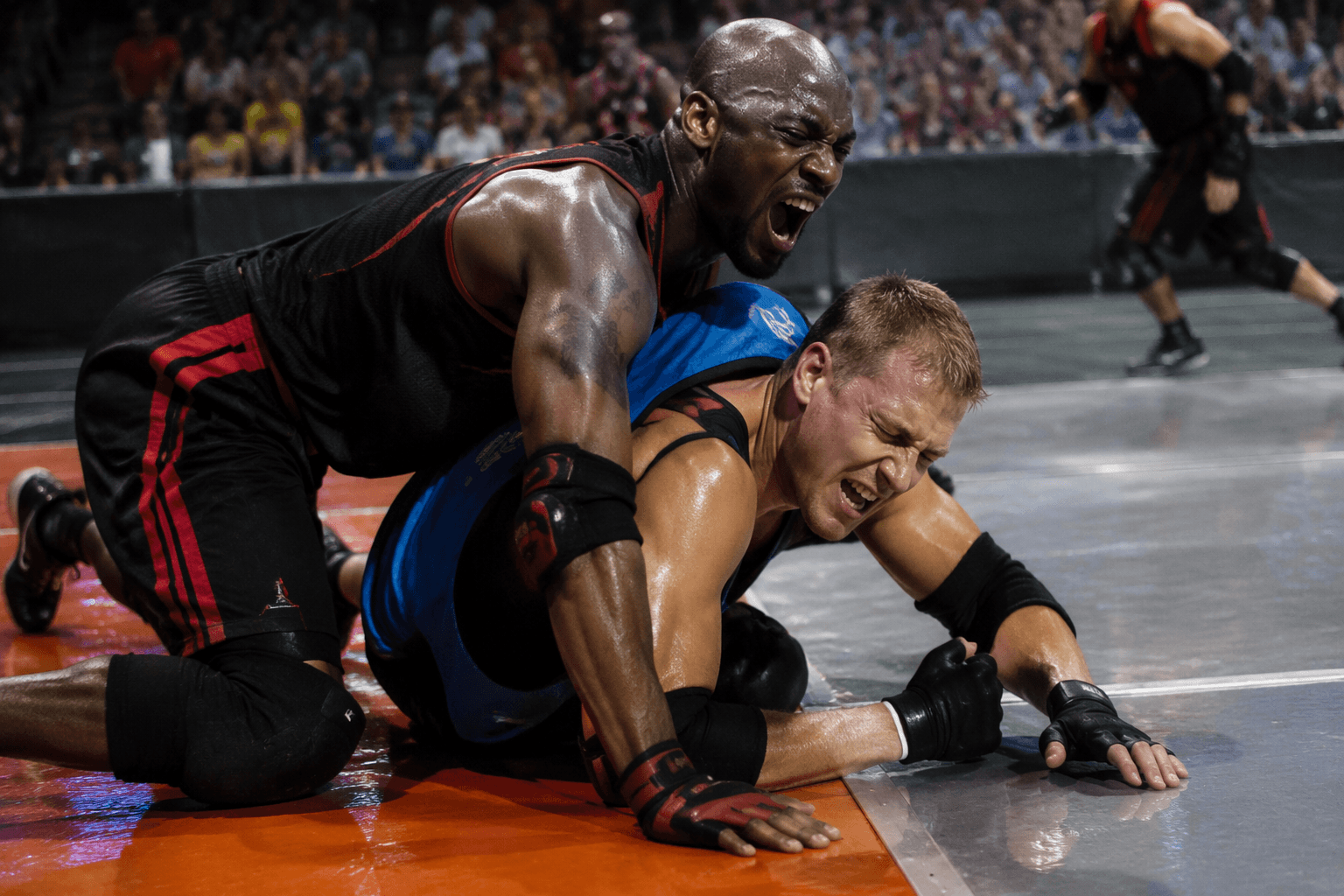
Terrell Howard’s multi-sport background fits SlamBall’s fast pace
Terrell Howard’s path from Louisville Western to Jefferson Community College maps cleanly onto SlamBall’s #00 handler role, where speed, contact balance, and quick reads decide possessions.
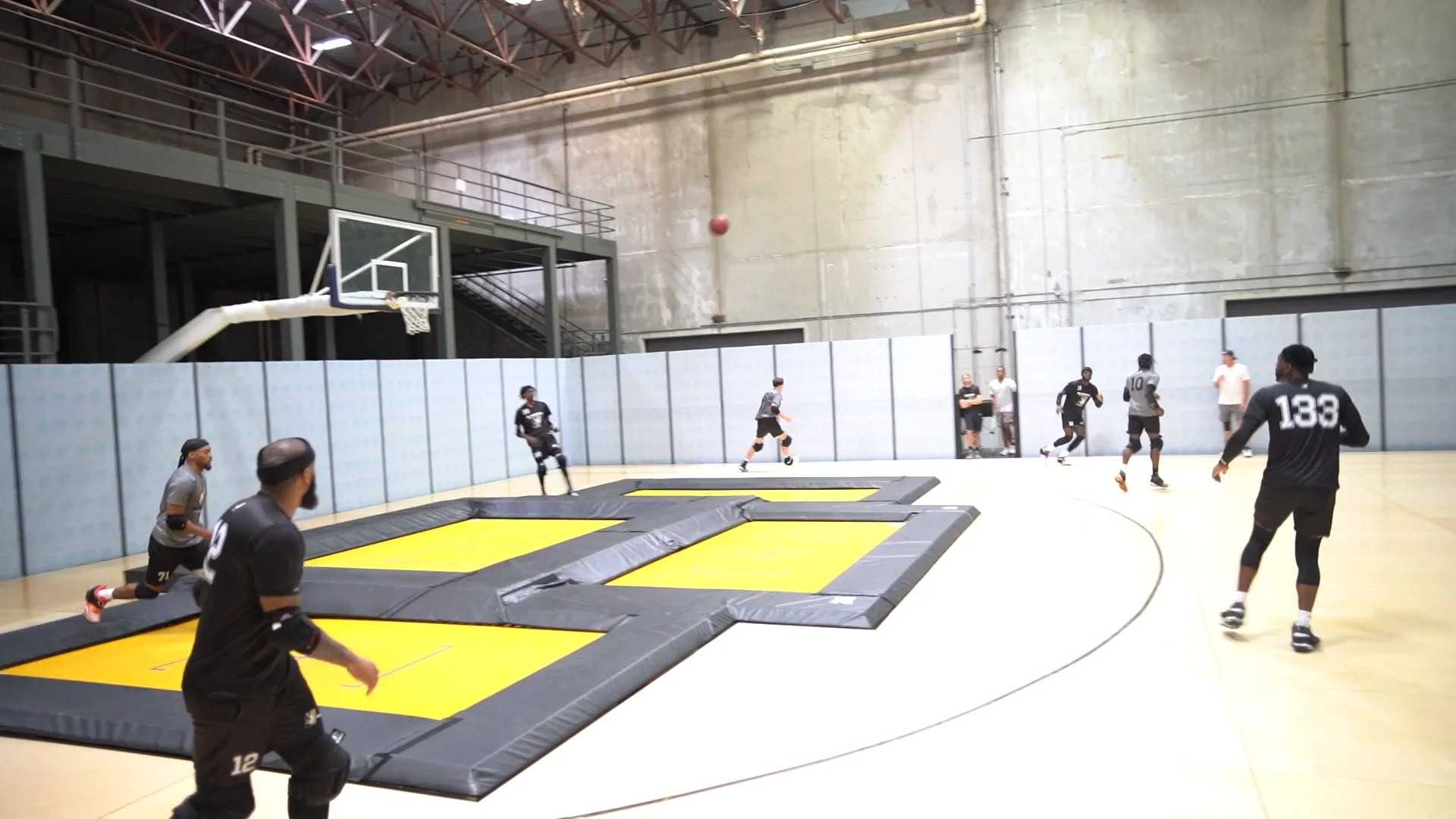
Terrell Howard looks like the kind of athlete SlamBall was built to feature. Buzzsaw lists him as a #00 handler, and his background stretches across basketball, football, baseball, and track, a mix that fits a game where every possession demands fast decisions, clean movement through contact, and the ability to create space after rebounds off the springbeds.
Why Howard fits SlamBall’s handler role
In SlamBall, a handler is not just a ball mover. The position asks for instant reads in traffic, control when bodies collide, and enough athletic balance to stay effective when a play changes direction in mid-air. Howard’s profile points directly to those demands, because the sport values players who can process chaos quickly instead of waiting for structure.
That matters for Buzzsaw’s #00 spot. A handler has to turn pressure into advantage, whether that means pushing the ball before the defense sets or making a cleaner decision once the play opens up off a rebound. Howard’s listed multi-sport background suggests he arrives with the kind of instincts that translate when the floor is narrow, contact is constant, and the next move has to happen before the defense resets.
What basketball gives him
Howard’s basketball experience is the most obvious part of his fit, and it is the foundation for everything else. He played basketball at Jefferson Community College after starring at Louisville Western High School, so he has already lived inside the game’s timing, spacing, and possession management. That is the first layer any SlamBall handler needs, because the sport still rewards players who can recognize lanes, protect the ball, and finish plays without wasting motion.
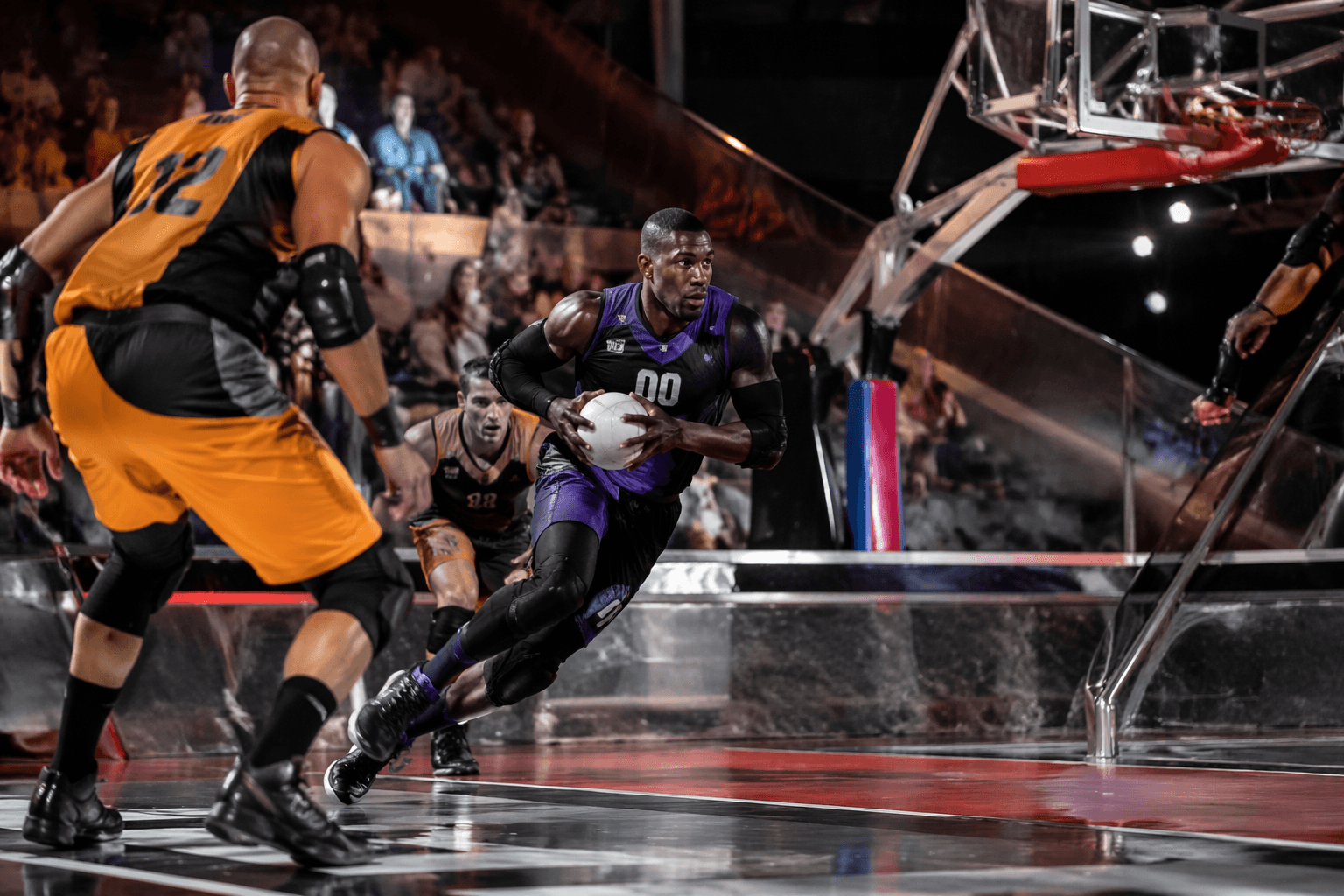
The basketball path also gives his Buzzsaw role a level of familiarity fans will recognize right away. When Howard handles in transition or attacks after a springbed rebound, the core skill is still basketball judgment: where the help defender is coming from, when to probe, and how to keep the offense on schedule. His college stop at Jefferson Community College shows a conventional post-high school basketball pathway, which helps explain why he can plug into a fast, structured, high-traffic game without needing a long introduction.
How football, track, and baseball matter on the court
Howard’s value is not limited to basketball skill alone. Football adds a layer of contact comfort and field awareness, which matters in a league where players collide at speed and still have to keep possession moving. Track suggests straight-line burst and efficient acceleration, both crucial when a handler has to turn a loose ball or quick outlet into immediate pressure on the defense.
Baseball is the most underrated piece of the profile, but it is easy to see why it matters here. Hand-eye coordination and spatial awareness are central when a ball can arrive from an awkward angle or a play can unravel in traffic off the springbeds. That combination of sports gives Howard a broader athletic base than a one-sport resume, and SlamBall is exactly the kind of environment where that breadth becomes a competitive edge.
Louisville Western and Jefferson CC give the profile structure
The Louisville Western High School reference does more than name a hometown. It gives Howard’s story a grounded development path, the kind of local-to-college arc that makes a player feel documented rather than manufactured. For SlamBall, that matters because the league is strongest when it presents athletes as products of real sports ecosystems, then reassembles those skills in a format that tests them in a different way.
Jefferson Community College completes that picture. It shows Howard did not just collect athletic traits in high school, he carried them into a basketball program that helped sharpen the tools he now brings to Buzzsaw. That bridge from high school standout to college player is exactly the kind of progression that makes a SlamBall roster feel credible, because it connects the league to the wider American sports pipeline instead of treating players as if they appeared fully formed.
Why this profile tells you what Buzzsaw wants
Howard’s listing says as much about Buzzsaw as it does about him. Teams in SlamBall need explosive, versatile athletes who can play through contact, adjust on the fly, and contribute on both sides of the ball, and handlers often have the toughest version of that job. A player with basketball instincts, football toughness, track speed, and baseball coordination checks the boxes that matter when possessions are short and every mistake gets magnified.
That is why Howard reads as more than a roster name. His profile shows the kind of athlete SlamBall can use to make the league feel distinct, a player whose background already matches the sport’s demand for pace, balance, and adaptability. For Buzzsaw, #00 is not just a number on a jersey, it is the job description for a multi-sport player built to survive the league’s speed and keep the offense moving when the floor turns chaotic.
This article was produced by Prism’s automated news system from verified source data, official records, and press releases, then run through automated quality and moderation checks before publishing. The system is built and supervised by the people who set the standards it runs under. Read our full AI policy.
Did this article answer your question?