The Switch Details Camera Package and First‑Mile Connectivity for SlamBall
The Switch deployed a 14-camera package and first-mile connectivity to broadcast the SlamBall Summer Series, elevating aerial coverage and live delivery for linear and OTT platforms.
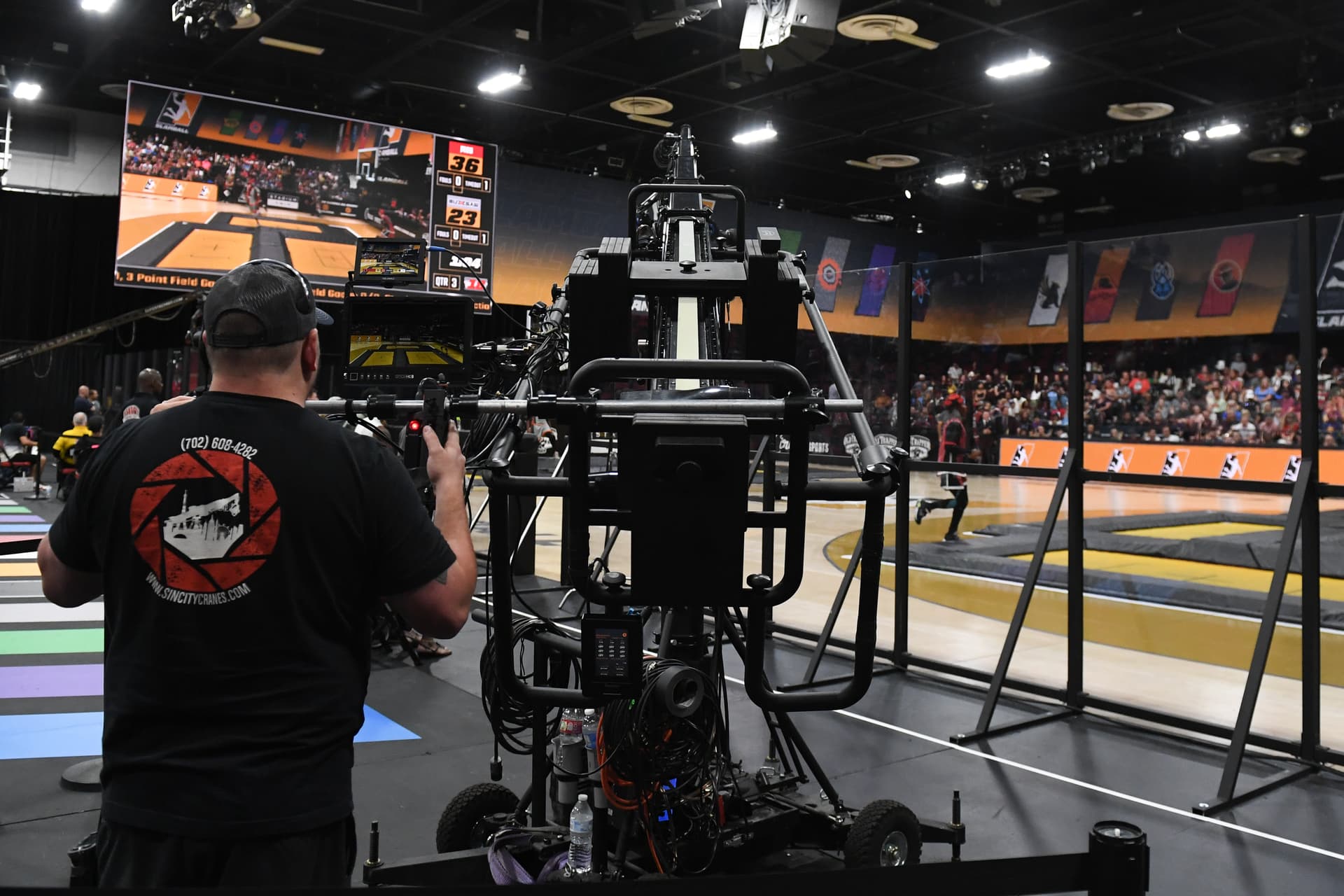
The Switch built a production rig tailored to SlamBall’s sky-high theatrics, marrying a 14-camera package with first-mile connectivity to deliver live signals to linear and OTT platforms. The profile lays out concrete, repeatable choices meant to capture rapid vertical movement, heavy contact, and fast transitions while protecting viewer clarity and on-court safety.
Key elements of the rig included two courtside telescopic camera cranes and two 27-foot stabilized Techno-Jib cameras to follow players through vertical arcs and across court length. Two long-lens high/wide cameras provided broad context and isolations, while mini cameras under the court offered rare low angles of dunks and collisions. Two robotic PTZs stationed behind the backboards added automatic follow shots, courtside handhelds gave nimble closeups, and multiple replay operators supported instant review for broadcasters and fans. Infrastructure rested on a 50-foot expandable outside broadcast truck and The Switch’s first-mile connectivity expertise to get clean, reliable feeds off-site and into distribution chains.
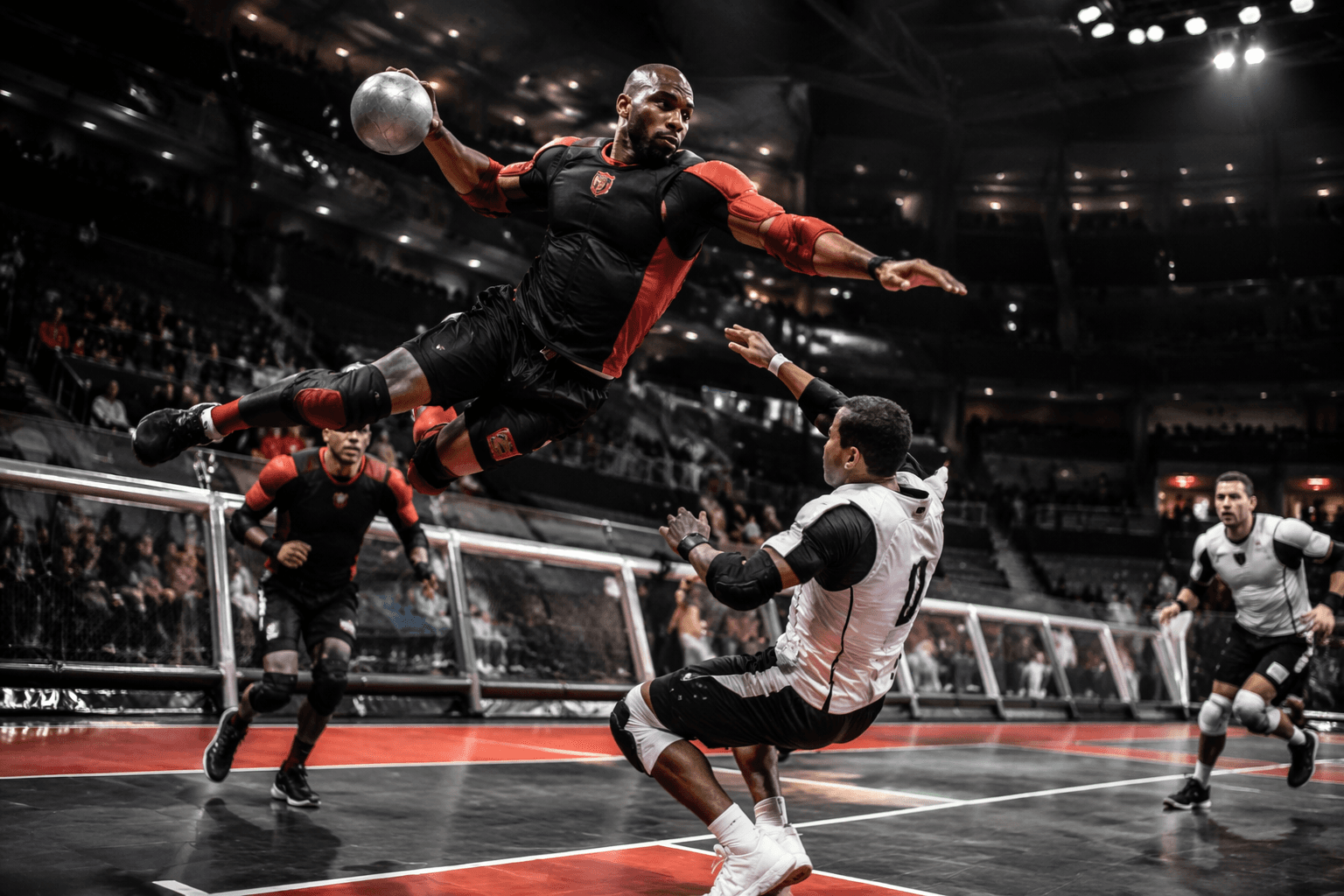
For Slamball fans, these choices matter because the sport’s USP is kinetic vertical action: trampolines, aerials, rim contests, and physical collisions. Traditional camera spreads miss the altitude and speed; telescopic cranes and Techno-Jibs translate airborne plays into cinematic, comprehensible sequences. Under-court mini cameras turn moments that used to be occluded by bodies into dramatic low-angle highlights. Multiple replay operators mean game-changing plays get immediate breakdowns, which is critical for officiating transparency and for social clips that drive online viewership.
From an industry standpoint, the package reads like a practical checklist for rights holders and production companies considering Slamball or similar arena sports. Investing in specialized camera tools and routing feeds through a robust first-mile solution reduces the risk of dropped frames and platform incompatibility when sending simultaneous linear and OTT streams. That technical reliability is a business argument: consistent, high-quality broadcasts make the sport more attractive to sponsors, advertisers, and distribution partners who demand predictable production values.
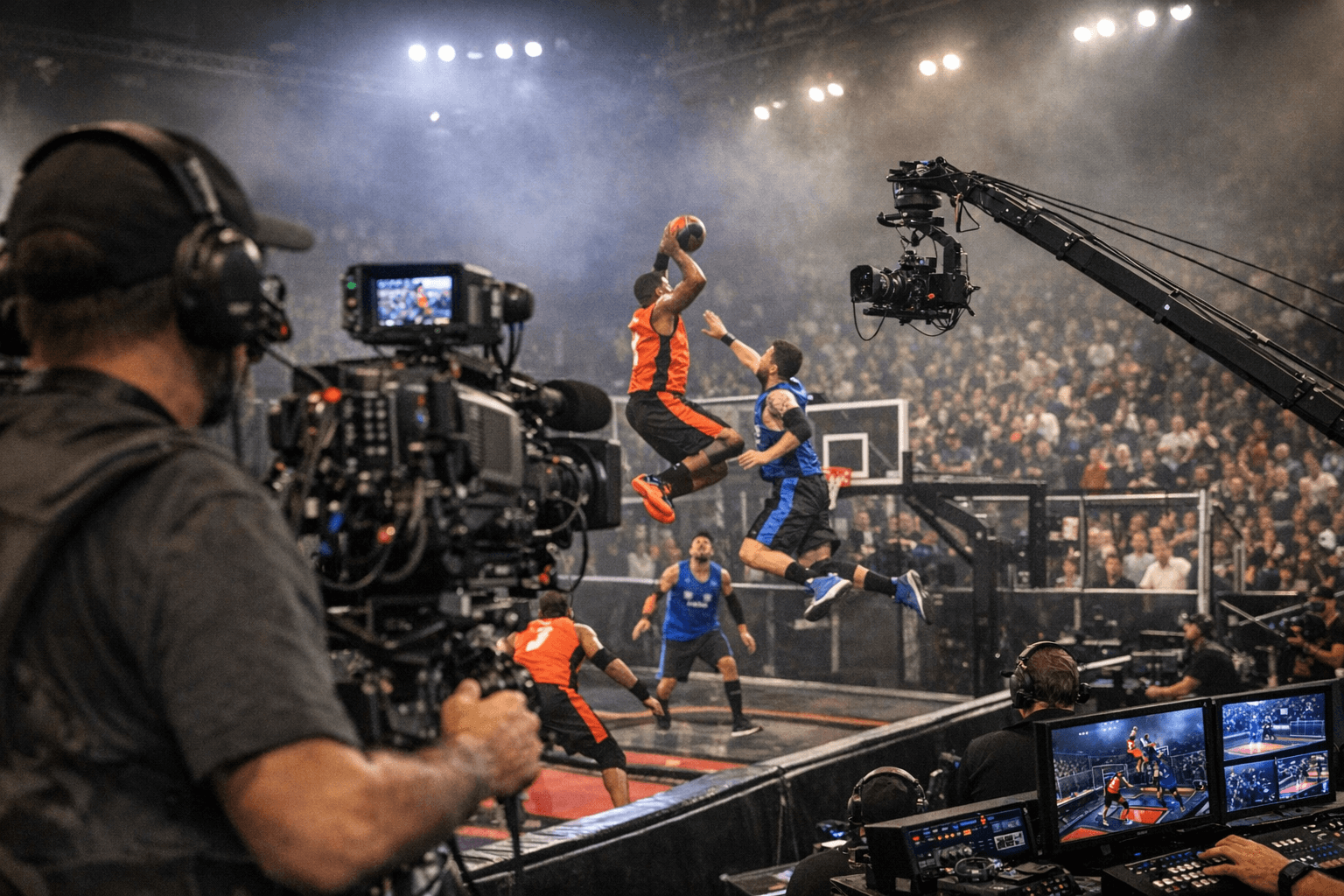
Culturally, better broadcasts can accelerate Slamball’s push from niche spectacle to mainstream sports entertainment. High-fidelity coverage foregrounds athletes’ skill and physicality, helping to shift perception from novelty to legitimate competition. Socially, clearer broadcasts improve player visibility, which can translate into more sponsorship opportunities and grassroots interest in trampoline-based training programs.
The Switch’s profile does not report game scores or player statistics; its value is operational. For producers and league operators, the takeaways are specific: pair airborne-capable camera systems with under-court perspectives, staff replay operators, and secure first-mile transport. For viewers, the result should be broadcasts that finally keep pace with Slamball’s momentum - more readable aerials, sharper replays, and a smoother live stream experience that can help the sport land bigger deals and wider audiences.
This article was produced by Prism’s automated news system from verified source data, official records, and press releases, then run through automated quality and moderation checks before publishing. The system is built and supervised by the people who set the standards it runs under. Read our full AI policy.
Did this article answer your question?